
Last updated November 14, 2026
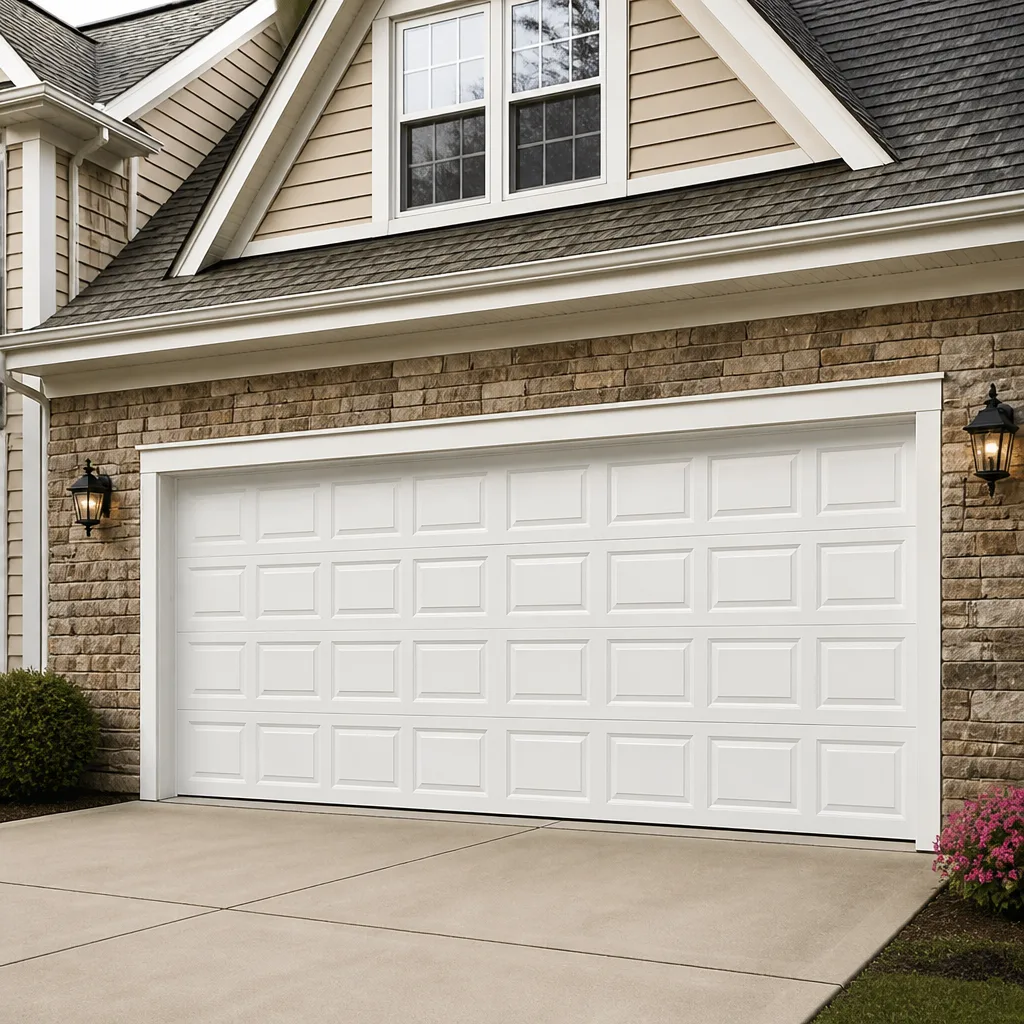 Raised-panel steel
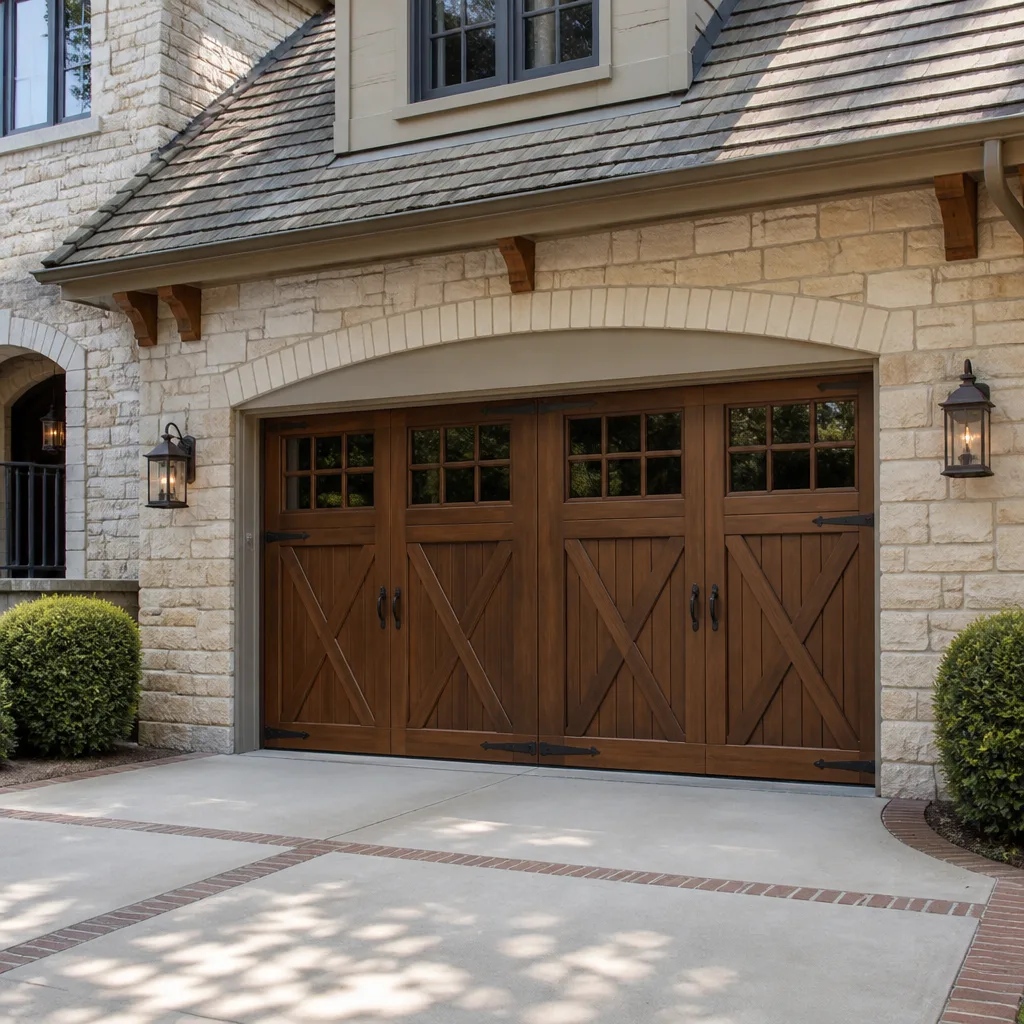 Carriage house
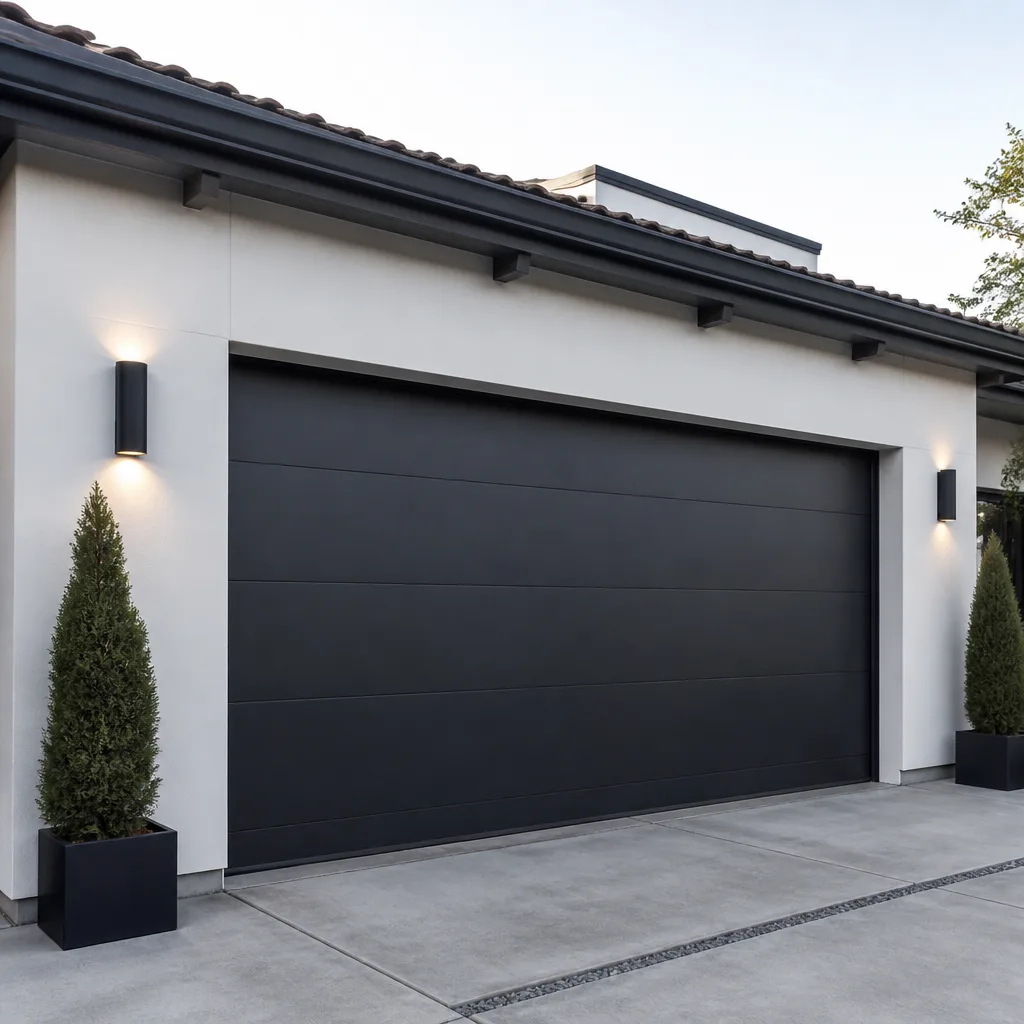 Modern flush
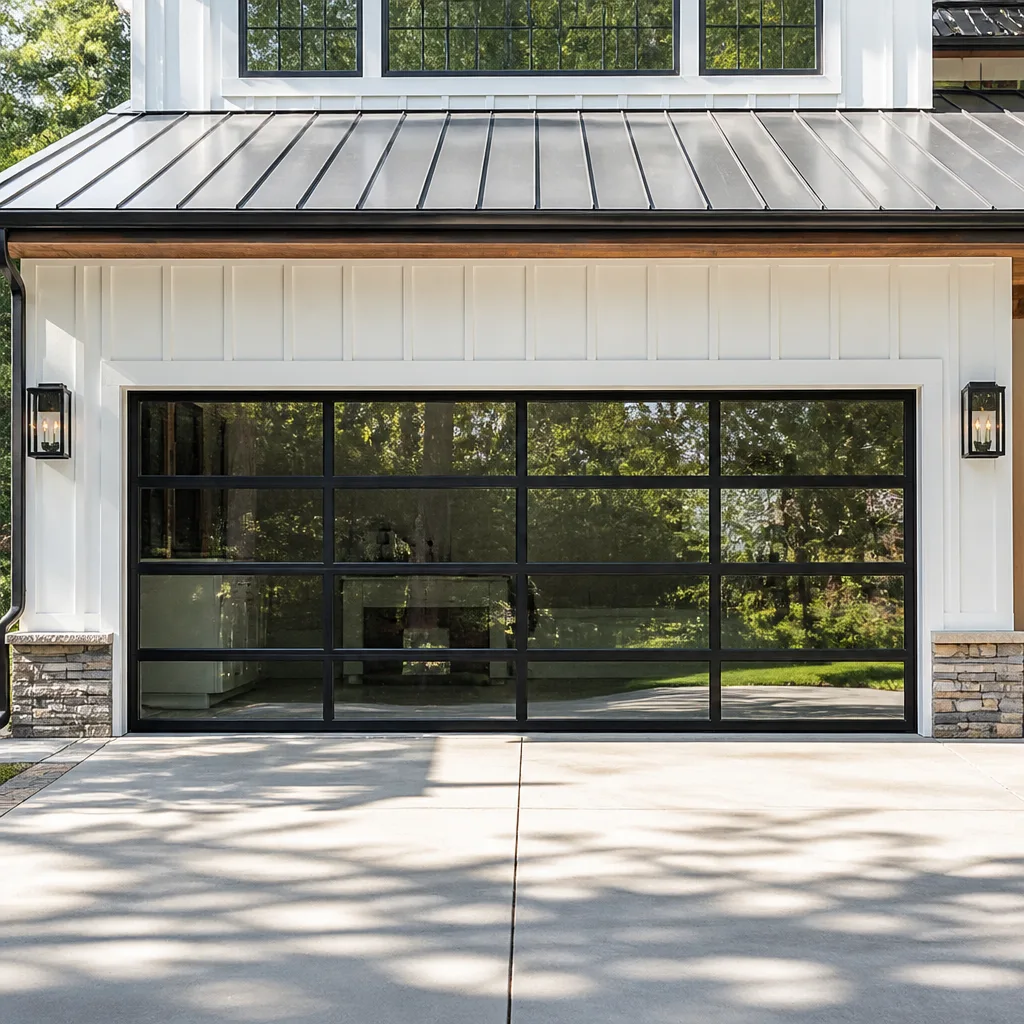 Full-view glass
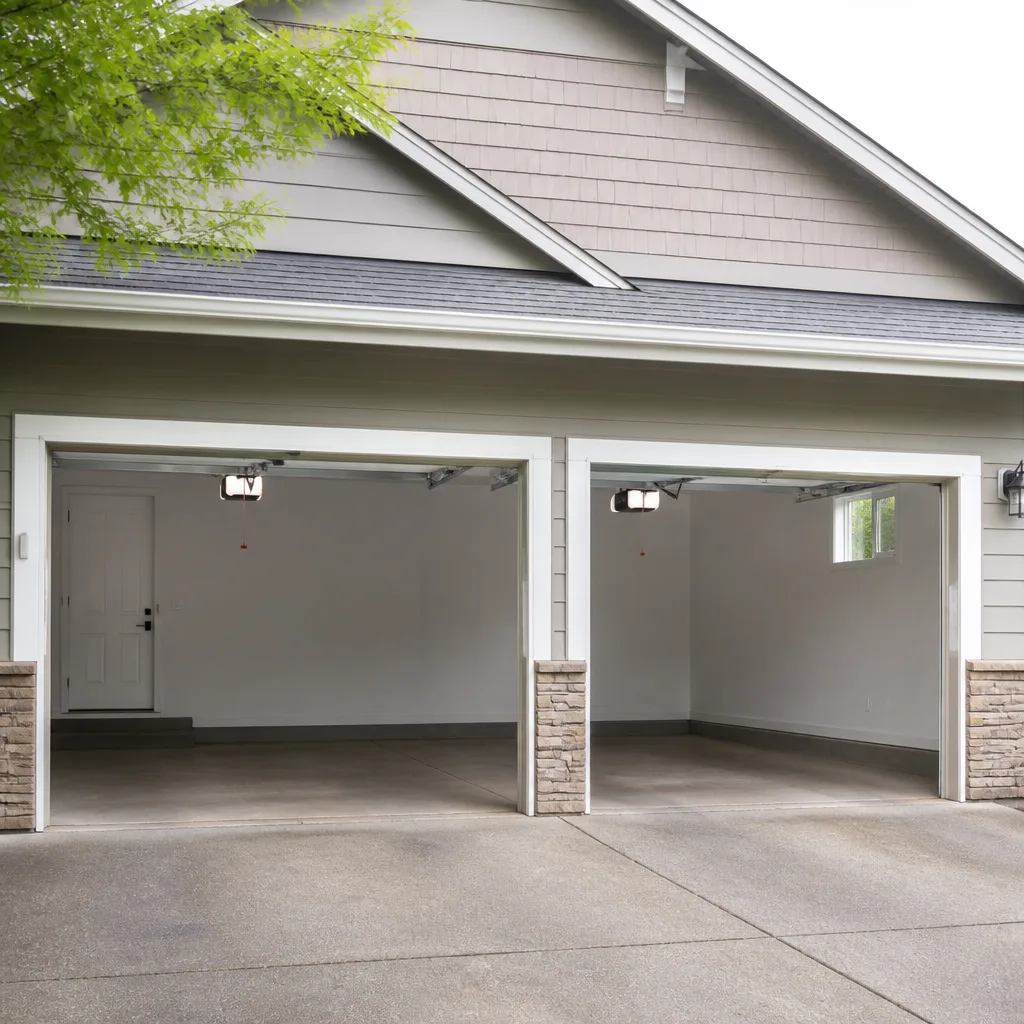 LiftMaster openers
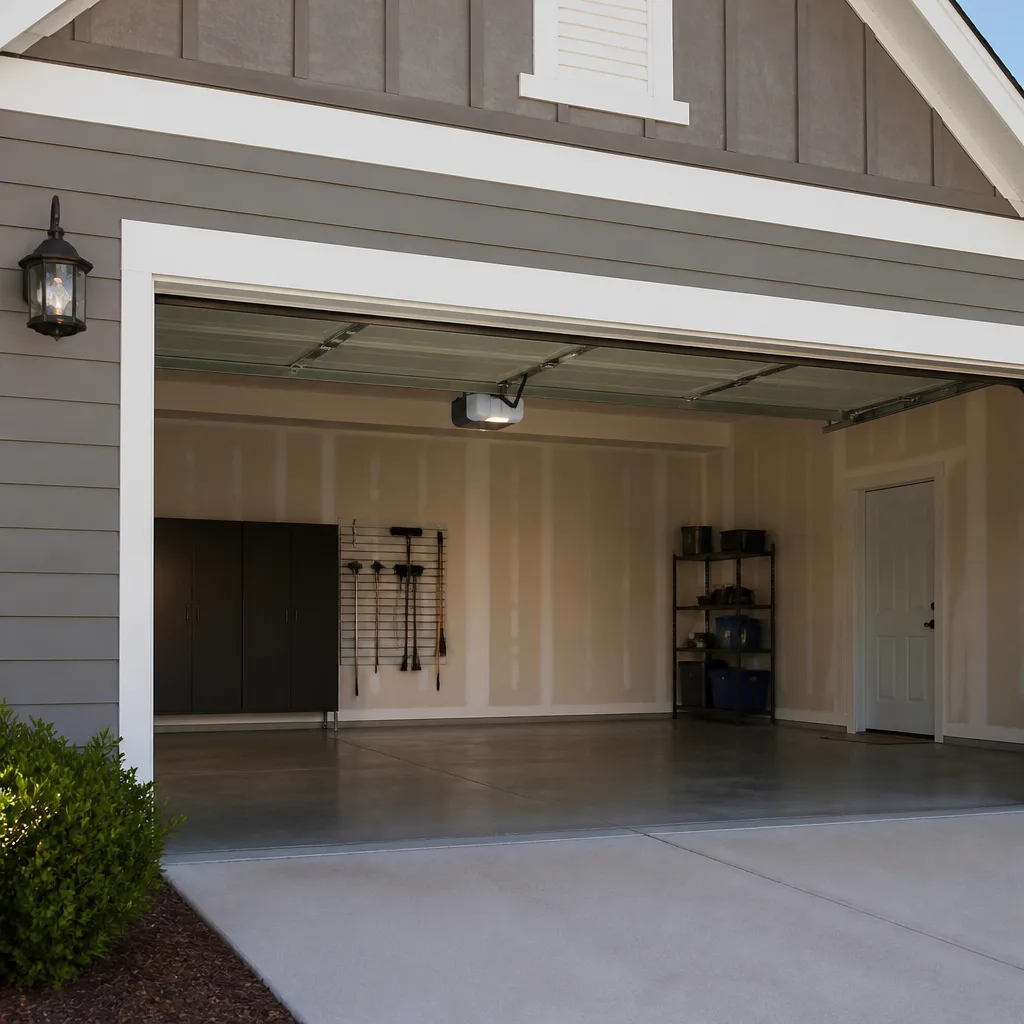 Chamberlain openers
Full 25-point door and opener safety check with every visit - springs, cables, rollers, tracks, and your LiftMaster or Chamberlain opener included
You get a price before we start. It does not change when the truck arrives.
Get your free estimateSeasonal Garage Door Care for Gainesville: Year-Round Homeowner’s Guide
Most garage door maintenance advice was written for places that have a real spring and a real fall. Gainesville doesn’t. Our year splits differently: a countdown to June 1st, a long stretch of August humidity that never quite leaves, a dry spell when the air finally gives up its water, and a handful of cold nights in January that catch everyone off guard. Your door feels each of those shifts, and every one of them puts stress on a different part of the system. This guide maps care tasks to the seasons Gainesville actually has, so you’re checking the right hardware at the right time instead of following a calendar built for Ohio.
Quick Answer
Garage door care in Gainesville should follow four local stress periods rather than four classic seasons: pre-hurricane prep in May, peak heat and humidity through July and August, dry-season contraction in fall, and brief cold snaps in winter. Each period stresses different components, from wind-load hardware to opener circuit boards to weatherstripping, so the checklist changes with the calendar.
Styles & brands we work with
- Raised-panel steel
- Carriage house
- Modern flush
- Full-view glass
- LiftMaster openers
- Chamberlain openers
Table of Contents
- Why Gainesville’s Four Seasons Look Different
- May: The Pre-Hurricane Season Checklist
- July and August: What Peak Heat Does to Your Door
- Fall: Dry Air, Contraction, and the Gaps at the Frame
- Winter Cold Snaps: Lubricants That Stay Viscous
- The Monthly Five-Minute Walkaround
- Building a 12-Month Garage Door Log
- What You Should Never Adjust Yourself
Why Gainesville’s Four Seasons Look Different
A garage door is a large moving assembly of steel, wood, vinyl, rubber and electronics, and every one of those materials responds to temperature and moisture. In a climate with sharp seasonal swings, that response is spread out and predictable. In Gainesville, the swings are narrower but the extremes are real: months of sustained heat, stretches of high humidity, a dry period, and a few genuinely cold nights each winter. The door absorbs all of it.
What that means in practice is that the failure modes here don’t match the national advice. Spring and fall tune-ups assume you’re preparing for winter and recovering from it. Our pattern is more like this:
- Late spring is about wind and storm readiness, not thaw.
- Midsummer is about heat soaking into metal and electronics.
- Fall is about materials shrinking as humidity drops.
- Winter is about lubricants and seals stiffening on the handful of cold nights we get.
We’ve worked on garage doors across eight major manufacturers, from LiftMaster and Chamberlain openers to Clopay and Amarr doors, and the seasonal wear patterns in this part of Florida show up across all of them. The brand rarely decides what fails first. The calendar does.
One more local reality: many Gainesville homes have attached garages that absorb heat all day and hold it into the evening. That makes the garage one of the hottest spaces on the property in summer, which is exactly where we’ll start the year.
May: The Pre-Hurricane Season Checklist
June 1st is the date that matters most on the Gainesville garage door calendar. Everything you do in May is about making sure the door and its hardware are ready for the wind season, and everything you skip in May becomes a problem you discover at the worst possible moment. This isn’t about predicting a storm. It’s about the door being in a known, verified state before the season starts.
Here’s the checklist we walk through in May:
- Inspect the wind-load hardware. Look at the hinges, rollers, track brackets and the reinforcement struts across the top panels. Check for loose bolts, bent brackets, or anything that looks like it’s pulled away from the door. Tighten what’s clearly loose, but don’t adjust track alignment on your own.
- Check the bottom seal. The rubber seal along the bottom of the door is your first defense against wind-driven rain. Run your hand along it and look for cracks, tears, or sections that have compressed flat and no longer touch the floor. A seal that’s lost its spring lets water and debris in.
- Test the emergency manual release. With the door closed, pull the red release handle. The door should disengage from the opener and move by hand. Re-engage it and cycle the door once with the opener. If the release is stiff, stuck, or the door doesn’t move freely by hand, that’s a repair, not a maintenance task.
- Look at the weatherstripping at the frame. The vinyl or rubber strips around the sides and top of the opening should sit snug against the door face. Gaps here are wind and rain entry points.
- Clear the tracks and confirm the door runs level. Watch the door from the side as it opens. If one side rises faster than the other, or the panels rack slightly, stop using it and call for a repair.
Do this once in early May and again in late May. Two passes catch what a single look misses, especially after the first heavy rain of the season.
July and August: What Peak Heat Does to Your Door
Sustained heat above 90°F does specific things to a garage door system, and most of them show up in July and August. The heat itself isn’t dangerous, but it accelerates wear on three components that matter: opener circuit boards, spring metal, and vinyl weatherstripping.
Opener circuit boards
Modern openers, whether a LiftMaster, a Chamberlain, or a Genie, run electronics in a housing that’s mounted to the ceiling of a garage that may sit well above outdoor temperature. Heat stresses capacitors and solder joints over time. The symptoms usually appear as intermittent behavior: the door opens partway and stops, the remote works sometimes, or the opener beeps and resets. If your opener has a history of summer quirks that clear up in cooler weather, that’s a sign it’s worth a diagnostic. Our garage door opener repair service covers the full electronics and mechanics side of the unit, not just the chain or belt.
Spring metal
Torsion and extension springs are under continuous tension, and heat expands them slightly. That changes the balance point of the door and puts a little more load on the opener. Over a summer, a spring that was already near the end of its life can let go. You’ll know because the door suddenly becomes very heavy or won’t lift at all. Springs are the single most dangerous part of the system to handle yourself, so this is a stop-and-call situation.
Vinyl weatherstripping
Vinyl softens and stretches in high heat, then re-hardens as temperatures drop. Across a summer, that cycle leaves the seals warped, flattened against the floor, or peeling away from the frame. A warped bottom seal lets in water, insects, and hot air.
During peak heat, the most useful thing you can do is watch the door. Any change in how it sounds or moves is worth writing down. Small observations in August become easy diagnostics in September.
Fall: Dry Air, Contraction, and the Gaps at the Frame
When the humidity finally drops, wood and composite doors contract. This is the season most homeowners miss, because nothing dramatic happens: the door just gets slightly smaller, and the gaps around it get slightly bigger. Those gaps are where problems start.
Wood and composite doors are the most affected, but even a steel door’s weatherstripping can pull back and leave a visible gap at the top corners of the opening. What to check in fall:
- Look for daylight around the closed door. A visible strip of light at the sides or corners means the seal isn’t making contact. That’s an air, water, and pest entry point.
- Check the perimeter weatherstripping for dryness. Rubber and vinyl that’s been through a summer of heat loses flexibility. If it cracks when you flex it, it’s due for replacement.
- Inspect wood panels for hairline cracks along the grain. Contraction opens small cracks that will absorb moisture the next time it rains. Catching them early is much cheaper than catching them late.
- Note door panel alignment. Contraction can make a previously flush door sit slightly uneven in the opening. If it racks noticeably, that’s a hardware issue worth a professional look.
This is also a good month to check the door’s balance by hand with the opener disengaged. A properly balanced door should stay put when opened halfway. If it drops or rises on its own, the springs need adjustment, and that’s a job for a trained technician, not a homeowner.
Fall is the natural time to schedule a general garage door repair visit if you’ve noticed anything during the year. It’s a low-stress season for the door, which makes it a good time for a technician to catch and fix small issues before cold weather.
Winter Cold Snaps: Lubricants That Stay Viscous
Gainesville gets a handful of genuinely cold nights each winter, usually in the upper 20s or low 30s, and those nights do more damage to lubricants and seals than the rest of winter combined. The problem isn’t the cold itself. It’s that lubricants chosen for warmer weather thicken and bind when the temperature drops, and seals that sat soft all summer go stiff.
The parts of the system most affected:
- Rollers. Rollers with bearings packed in thick grease can slow down or seize on a cold night, which puts more load on the opener.
- Hinges and pivots. Any lubricant that’s lost its light oils over the year will harden, and the hinge starts squeaking or binding.
- Weatherstripping. Vinyl and rubber that’s dried out from summer heat becomes brittle in cold air and is prone to cracking when the door closes against it.
- Opener drive components. Chains and belts tighten slightly in cold air, and any lubricant on them behaves differently than it did in July.
For local conditions, a light, low-viscosity lubricant applied to rollers, hinges, and pivots before the first cold snap is the practical move. A lubricant designed for cold weather stays fluid at 30°F, while a heavier grease that worked fine in August will start to drag. The point is to lubricate before the cold arrives, not after the door starts groaning.
A stiff-handling door on a cold morning isn’t an emergency, but it’s a signal. If the door moves fine by noon, the issue is lubricant. If it stays stiff, the issue is more likely hardware.
The Monthly Five-Minute Walkaround
The single most useful habit for keeping a garage door healthy in Gainesville is a five-minute monthly walkaround. It won’t replace an annual professional check, but it catches the small things before they become expensive. Here’s the routine:
- Watch the door open and close. Listen for new noises, grinds, or rattles. Look for jerky movement, uneven panel travel, or a door that hesitates.
- Check the bottom seal. Run your hand along it, look for cracks, and confirm it makes contact with the floor.
- Look at the springs. You’re checking for a visible gap in a torsion spring or stretched extension springs. Don’t touch them, just look.
- Test the safety reverse. Put a small object in the door’s path and close it. The door should reverse when it contacts the object. If it doesn’t, stop using the opener and call a technician.
- Check the photo-eye sensors. Wave an object in front of each sensor and confirm the opener responds. Clean the lenses if they’re dusty.
- Look for daylight around the closed door. Anything visible at the sides or top is a gap that needs attention.
- Read the opener’s indicator light. Many modern openers blink a diagnostic code if something’s off. A quick glance each month is worth the habit.
Do this once a month on the same day and you’ll have a running picture of how your door behaves across the whole year. That picture is worth more than any checklist.
Building a 12-Month Garage Door Log
A written maintenance log sounds like a chore until you need it. It’s the difference between a warranty claim that goes through and one that gets denied, and it’s the piece of documentation an insurer is most likely to ask for when you file a property claim related to the garage. Here’s a simple structure that works:
- Date and task column. Every time you do the monthly walkaround, write the date and what you checked. Note anything that looked different from last month.
- Professional service entries. Every repair, service visit, spring replacement, or opener work gets an entry: date, what was done, who did it.
- Parts and product notes. Note any replacements, including opener brand and model, spring type, and weatherstripping material. Matched parts make future repairs simpler.
- Observations, not just actions. “Door is slightly noisier on cold mornings” is useful context later, even if no repair is done.
- Photos. A photo of the door closed, the springs, and the opener housing once a year gives you a baseline to compare against.
Keep the log somewhere you’ll see it, in a folder or an app you actually use. What matters is that it’s current.
What You Should Never Adjust Yourself
Some garage door maintenance is genuinely safe for a homeowner. Confirming that the photo-eyes work, wiping down tracks, watching the door move, and checking the bottom seal are all straightforward. Some things are not.
Torsion springs, extension springs, and the cables attached to them are under enough tension to cause serious injury. Adjusting, removing, or even handling them without the right tools and training is dangerous. The same applies to the bracket hardware at the end of a torsion tube, which is what holds the spring in place. If you suspect a spring or cable issue, stop using the door and call for a professional.
We handle springs and cables every week, and there’s a reason the training takes time. A trained technician has the right winding bars, the right understanding of how much tension is stored in the system, and the right judgment about when a spring is due for replacement. None of that comes through a video.
Electrical work inside the opener housing is the other area that should stay professional. If you’re comfortable swapping a battery in the remote, that’s fine. Anything past that, call us.
Common Mistakes to Avoid
- Following a northern climate schedule. Spring-and-fall tune-ups assume a place with real seasonal swings. A Gainesville door needs attention in May before the wind season, in July and August during peak heat, in fall when the air dries, and in winter when the first cold night hits.
- Greasing a stiff door in cold weather without checking the type. A heavy grease that worked fine in summer thickens in the cold and makes the problem worse. Use a light, low-viscosity lubricant designed for colder temperatures.
- Ignoring a gap in the bottom seal during the dry season. A flat or cracked bottom seal lets in water, insects, and hot air, and the gap tends to widen as humidity drops. Replace it when it’s visibly worn, not when it’s completely failed.
- Assuming a noisy opener is normal in August. Summer heat stresses electronics and springs, and a new noise often means something is wearing. A quick diagnostic is cheaper than a mid-season failure.
- Skipping the hurricane-season checklist because “nothing happened last year.” The wind-load hardware, bottom seal, and emergency release should be verified every May regardless of how the previous season went.
- Adjusting springs or cables yourself. This is the most serious mistake on the list. Torsion and extension springs store dangerous amounts of energy, and handling them without the right tools and training is a hard no.
- Not keeping a log. A written record of monthly checks and any service visits is what makes warranty and insurance claims straightforward. Without it, you’re relying on memory.
See the difference
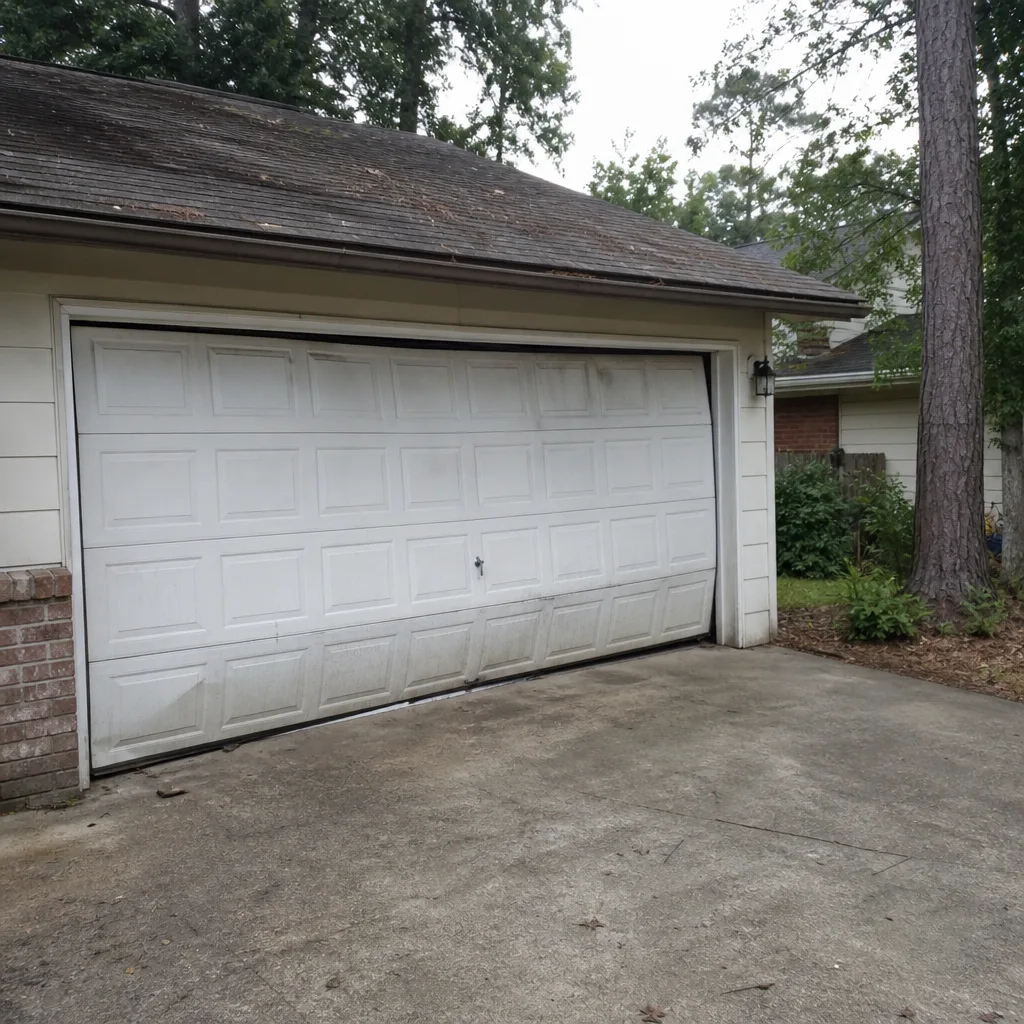 Before
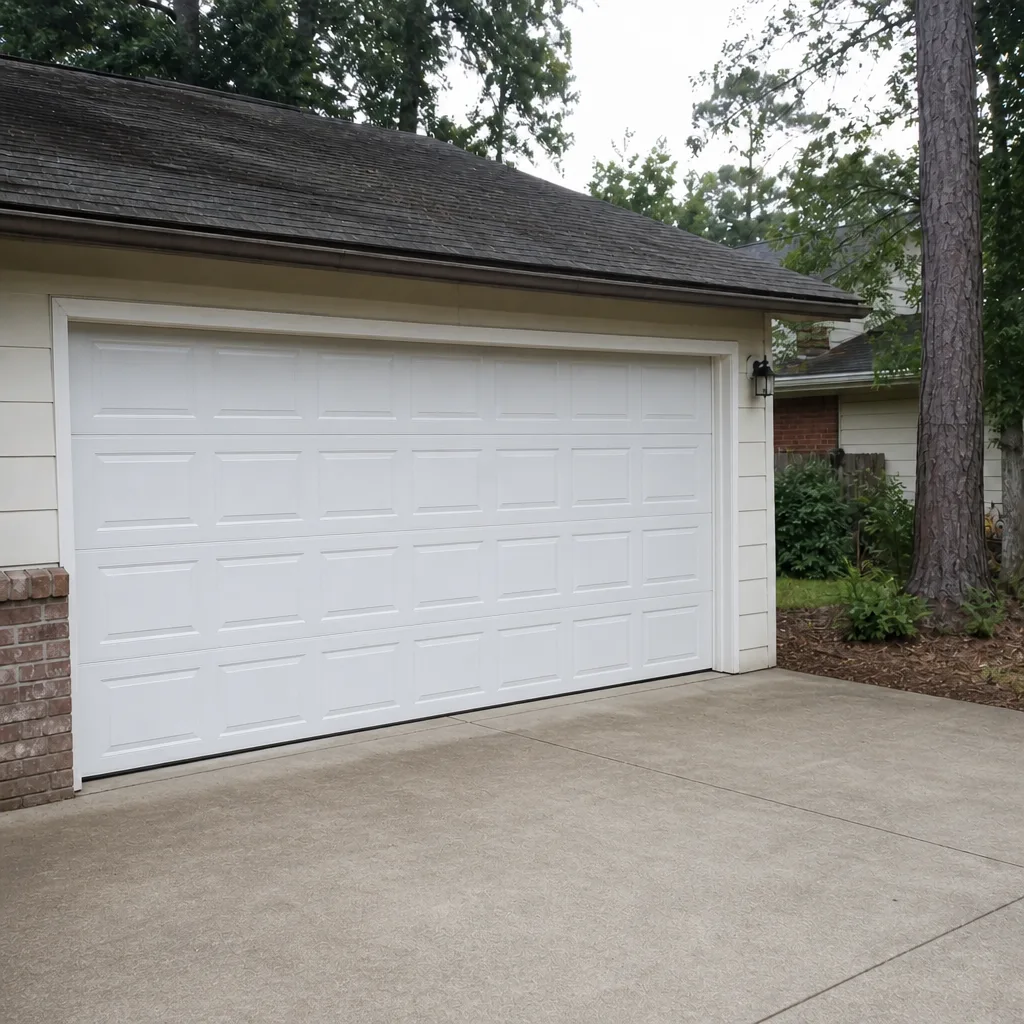 After
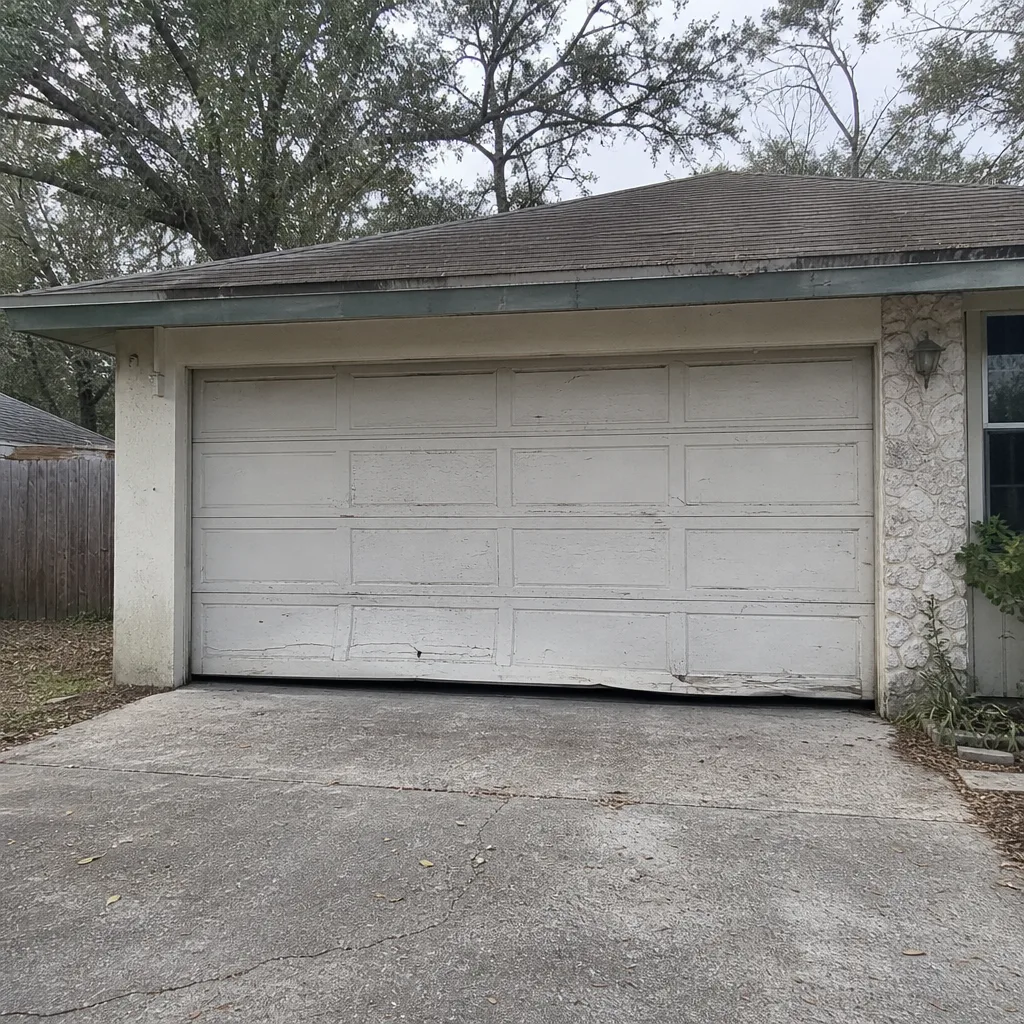 Before
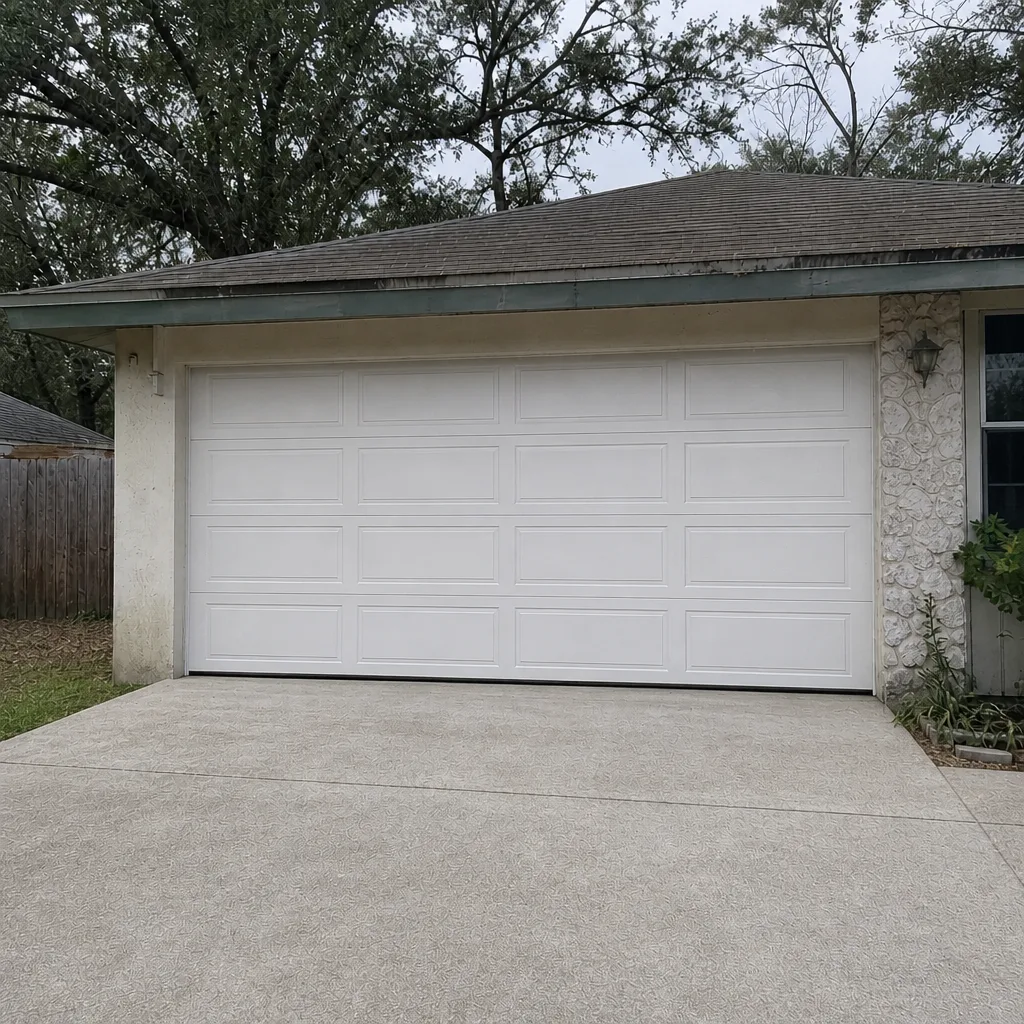 After
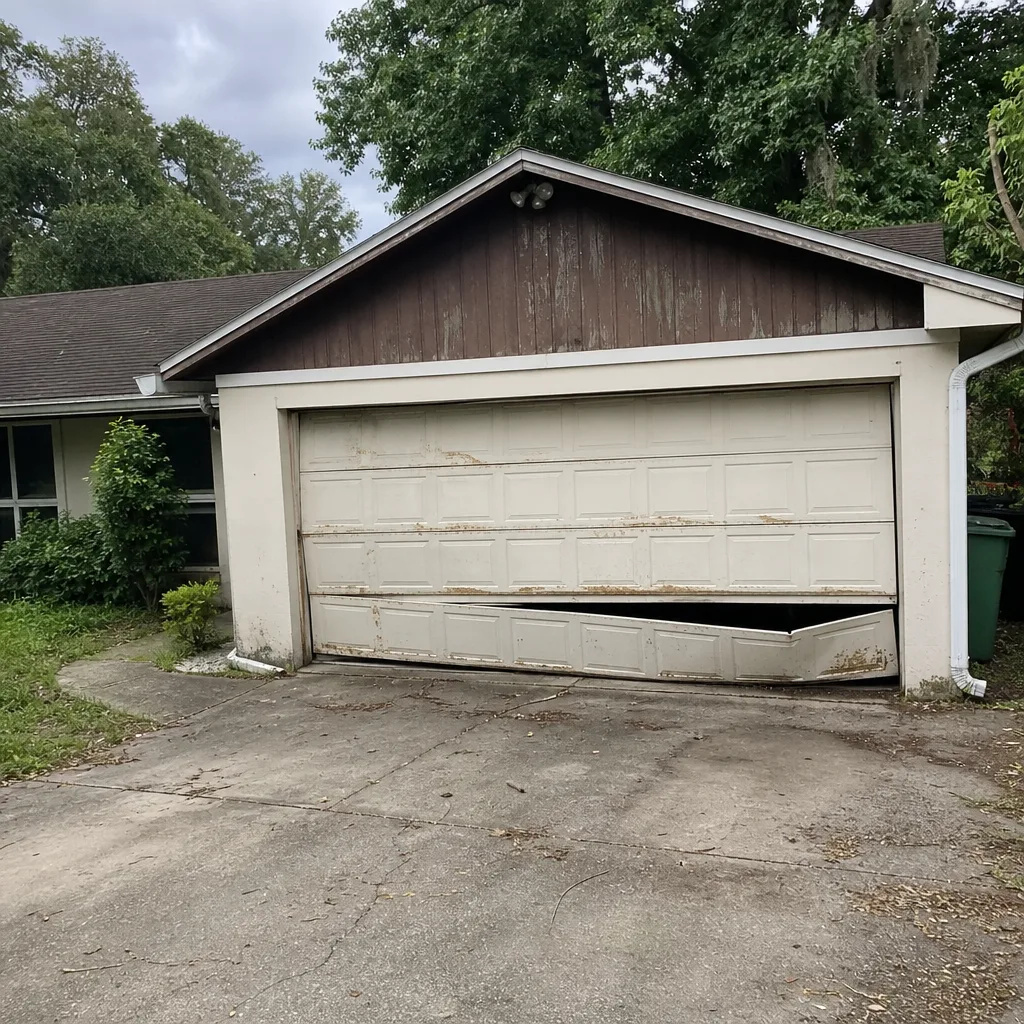 Before
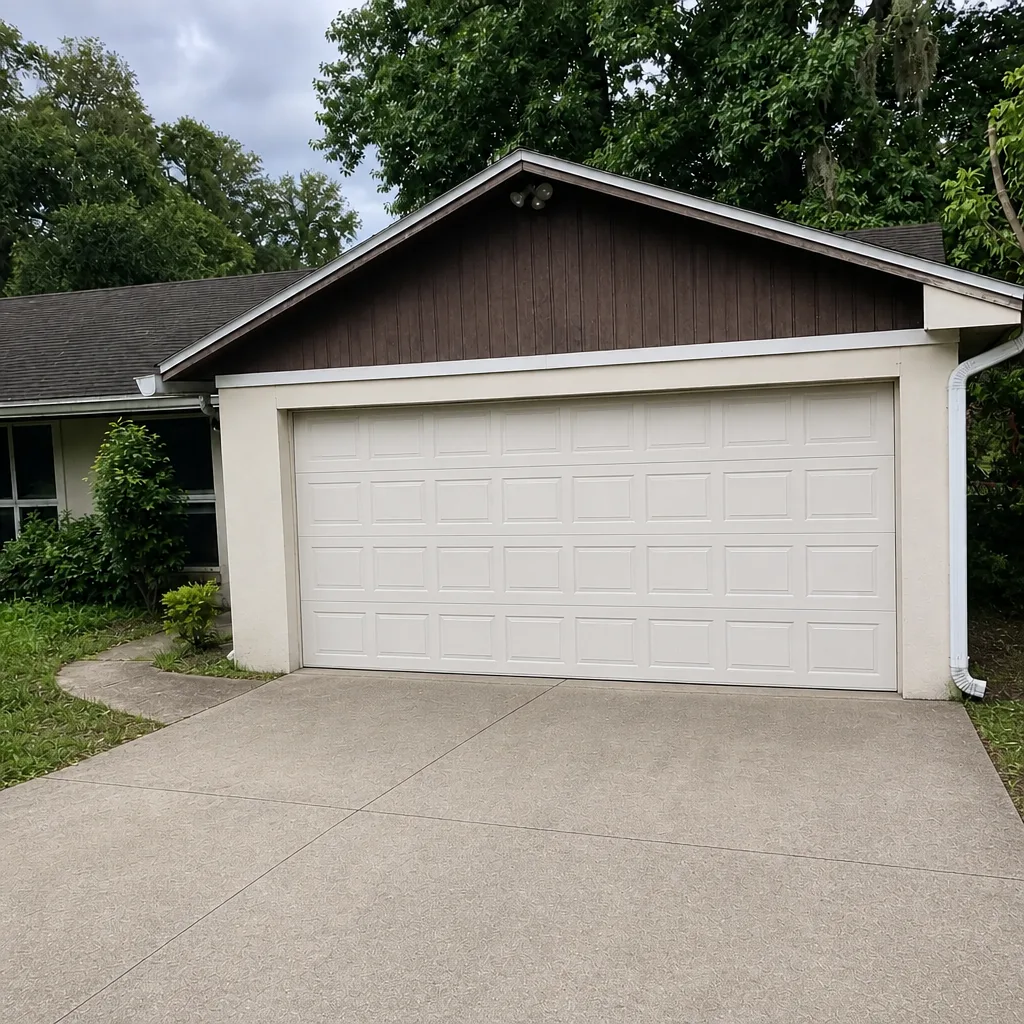 After
When to Call a Professional
Some garage door issues are clearly homeowner territory: verifying photo-eye function, wiping down tracks, cleaning the bottom seal, watching for wobble. Others aren’t. Call a professional if the door won’t open or close, if a spring or cable looks damaged, if the door is visibly out of balance, if the opener reverses unexpectedly, or if you’ve noticed any change that makes you not want to trust the door. Loud new noises, jerky movement, and visible gaps in the frame that persist after a seal replacement are all reasons to call. Holloway Garage Door Repair offers free estimates in Gainesville. Call (866) 389-5046. We answer 24/7. Fast dispatch from 7am to 7pm, Sunday through Friday.
When we come out, we check the door as a whole system rather than a single part. Springs, cables, rollers, hinges, track alignment, opener, seals. Sometimes the fix is one component. Sometimes it’s a repair on a door that’s been quietly wearing for a year. Either way, you get a straight answer before any work starts, and the price is quoted and agreed before we begin.
Frequently Asked Questions
Once a year is the standard baseline, ideally in spring before hurricane season or in fall once the humidity drops. If your door is wood or composite and takes direct sun, or if your opener is more than eight years old, twice a year is more realistic. The monthly five-minute walkaround covers the in-between.
Lubricants thicken and seals stiffen when the temperature drops into the 30s, which is what happens on some Gainesville winter nights. A door that’s been lubed with a heavy grease will drag more on those mornings. Switching to a light, low-viscosity lubricant applied to rollers, hinges, and pivots before the first cold snap usually fixes it.
Wind-load hardware, bottom seal integrity, the emergency manual release function, and the perimeter weatherstripping. Watch the door move from the side to confirm it’s running level. If anything looks loose, bent, or pulled away from the door, call for a professional inspection. Our garage door opener repair service covers the opener side if the manual release or safety reverse system is misbehaving.
Creaking alone isn’t an emergency, but it’s a signal. Lubricant issue: the door moves better by midday. Mechanical issue: it stays stiff or noisy all day, or the movement is uneven. In that case, stop using the door and call for a repair before something fails.
Yes. Opener circuit boards are mounted in a garage that can sit well above outdoor temperatures in peak summer, and heat stresses the electronics over time. Symptoms often appear as intermittent behavior: opening partway and stopping, remotes that work sometimes, beeps and resets. If your opener has summer quirks that clear in cooler weather, a diagnostic is worthwhile.
A dated log of monthly checks, professional service visits, and part replacements shows a documented maintenance history. That’s the kind of record a warranty provider or insurer may ask for when a claim involves the garage door system. Without a log, you’re relying on memory. Holloway serves Gainesville and works on LiftMaster, Chamberlain, Genie, Clopay and five other major brands, so part replacements and service notes can be recorded against the actual equipment in your home.
The Bottom Line
Forget the national spring-and-fall script. Gainesville’s garage door care runs on four local cycles: pre-hurricane prep in May, peak heat through July and August, dry-season contraction in fall, and brief winter cold snaps. Each one stresses a different part of the system, and each one has a short, simple checklist. Do the five-minute monthly walkaround, log what you see, and leave springs, cables, and electrical work to a technician. That routine is what keeps a door healthy across the whole year, and it’s what makes a warranty or insurance claim straightforward if you ever have one. If something feels off, or if it’s simply time for a professional set of eyes on the door, call us.
Call (866) 389-5046 for a free estimate. We answer 24/7, with fast dispatch from 7am to 7pm, Sunday through Friday. From a stuck spring to a full new door, Holloway stands behind every repair, and the price is quoted and agreed before any work starts.
Written by the team at Holloway Garage Door Repair, serving Gainesville since 2017.