
Last updated November 14, 2026
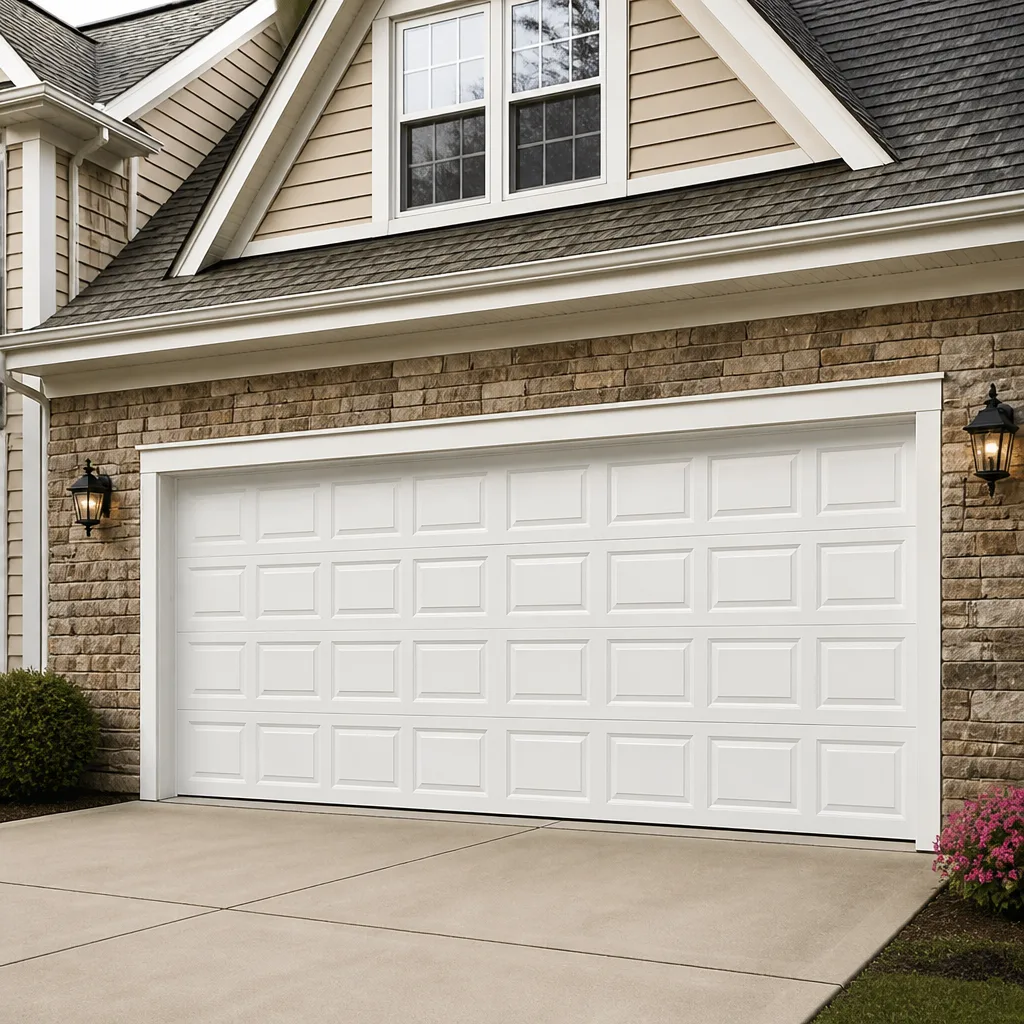 Raised-panel steel
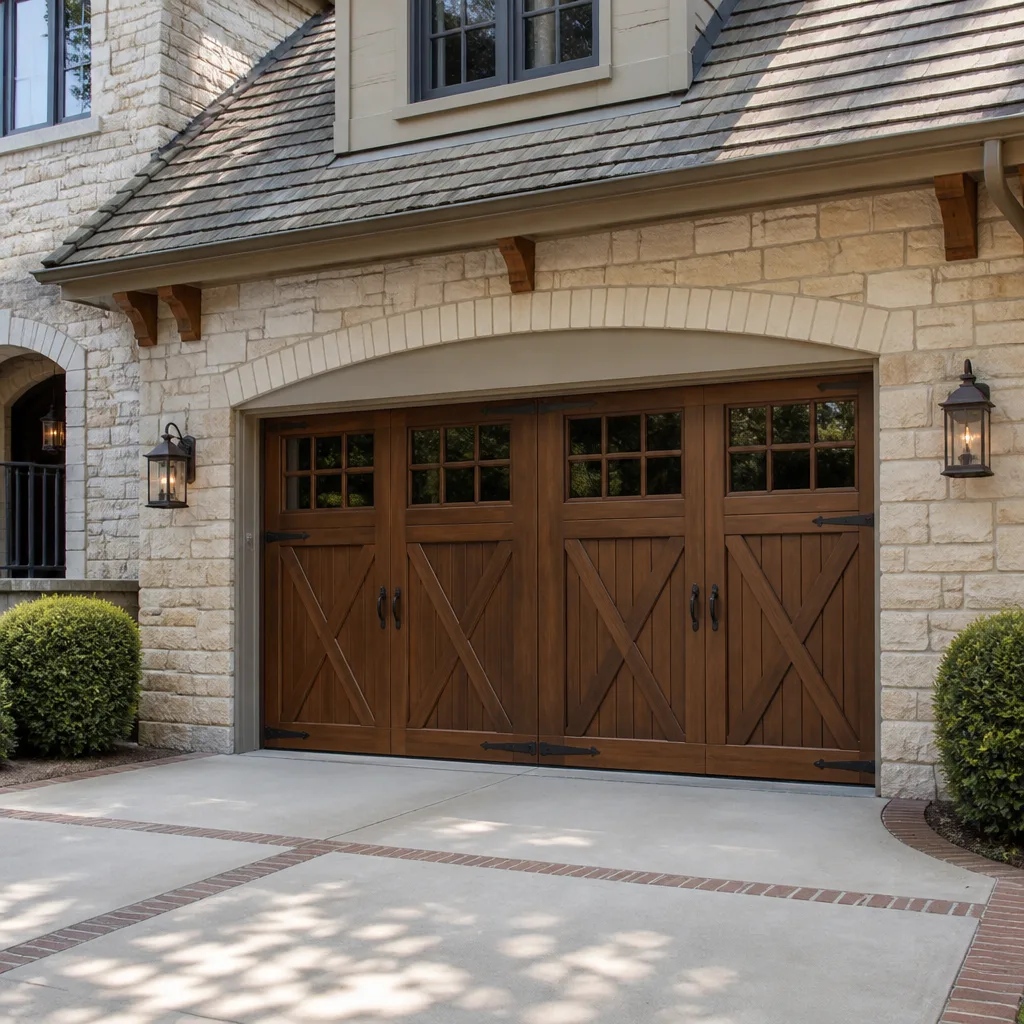 Carriage house
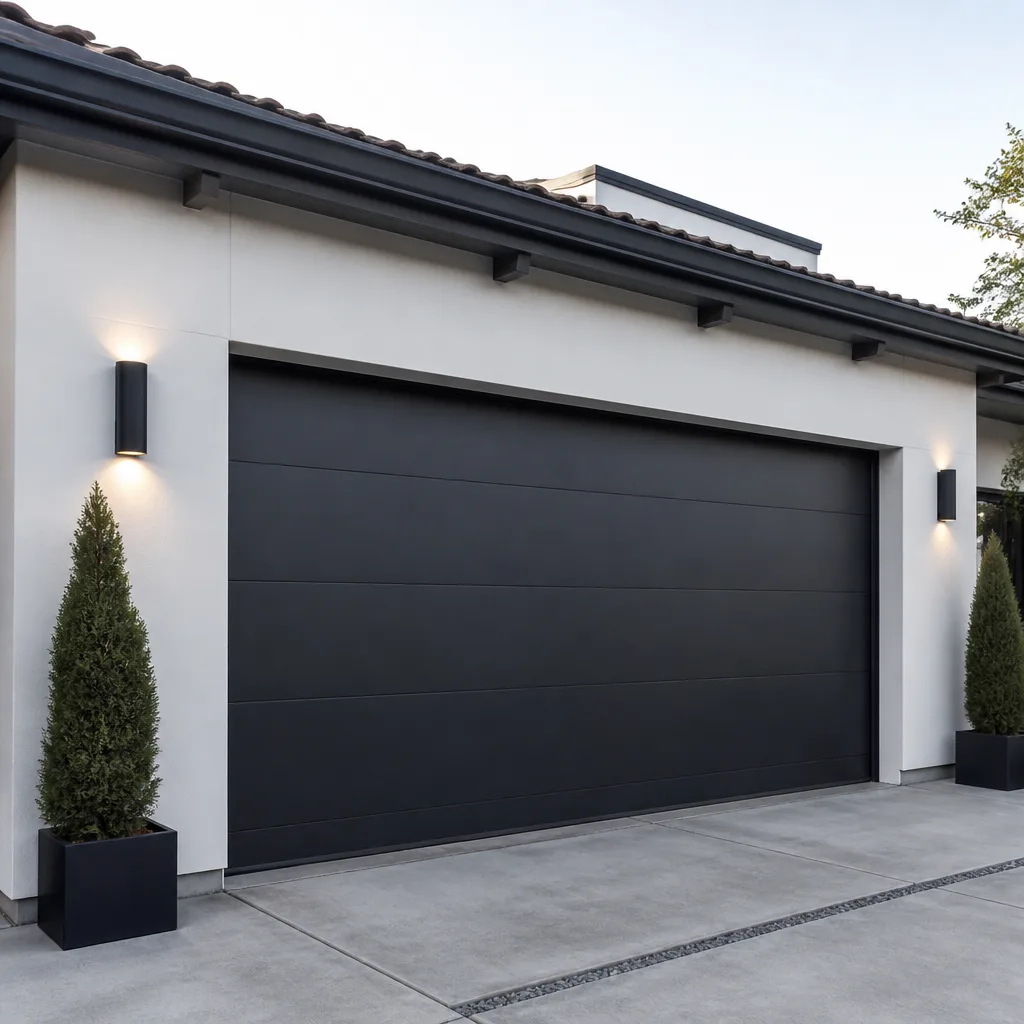 Modern flush
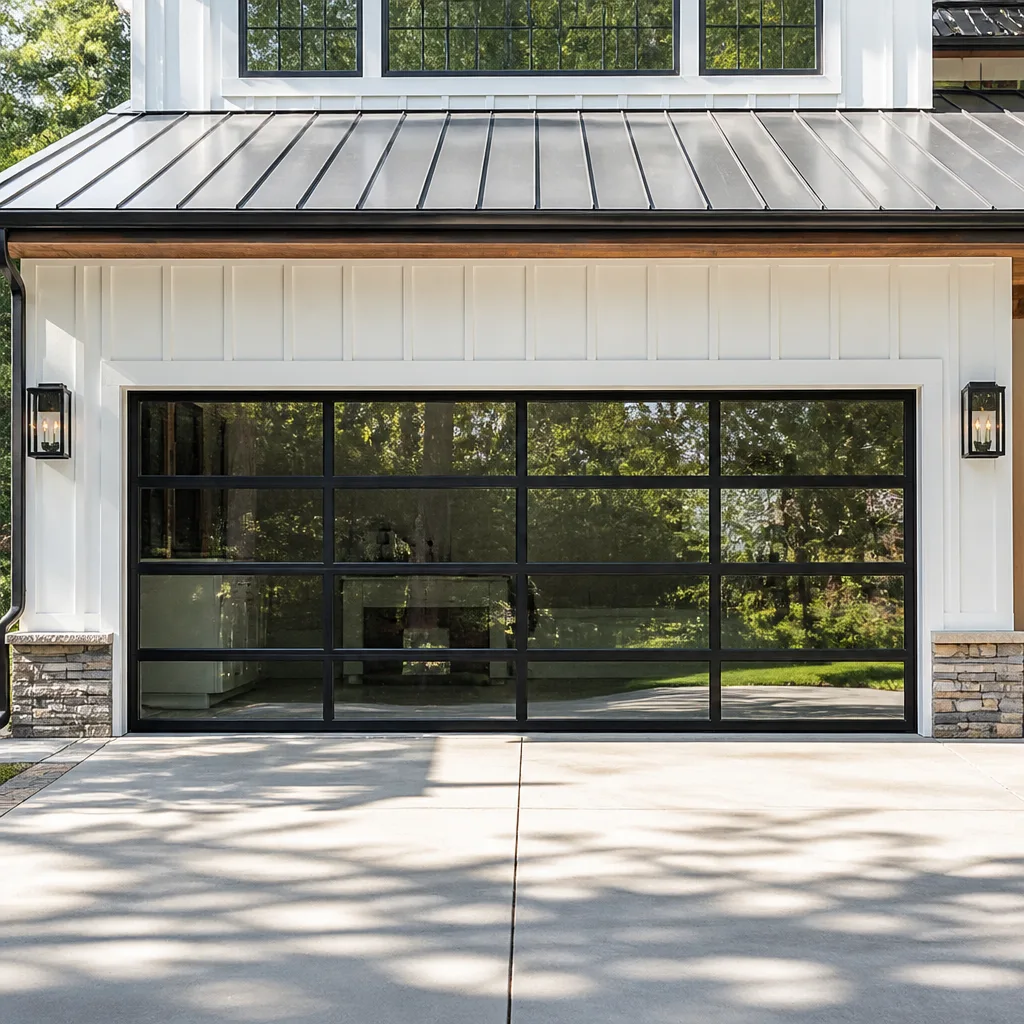 Full-view glass
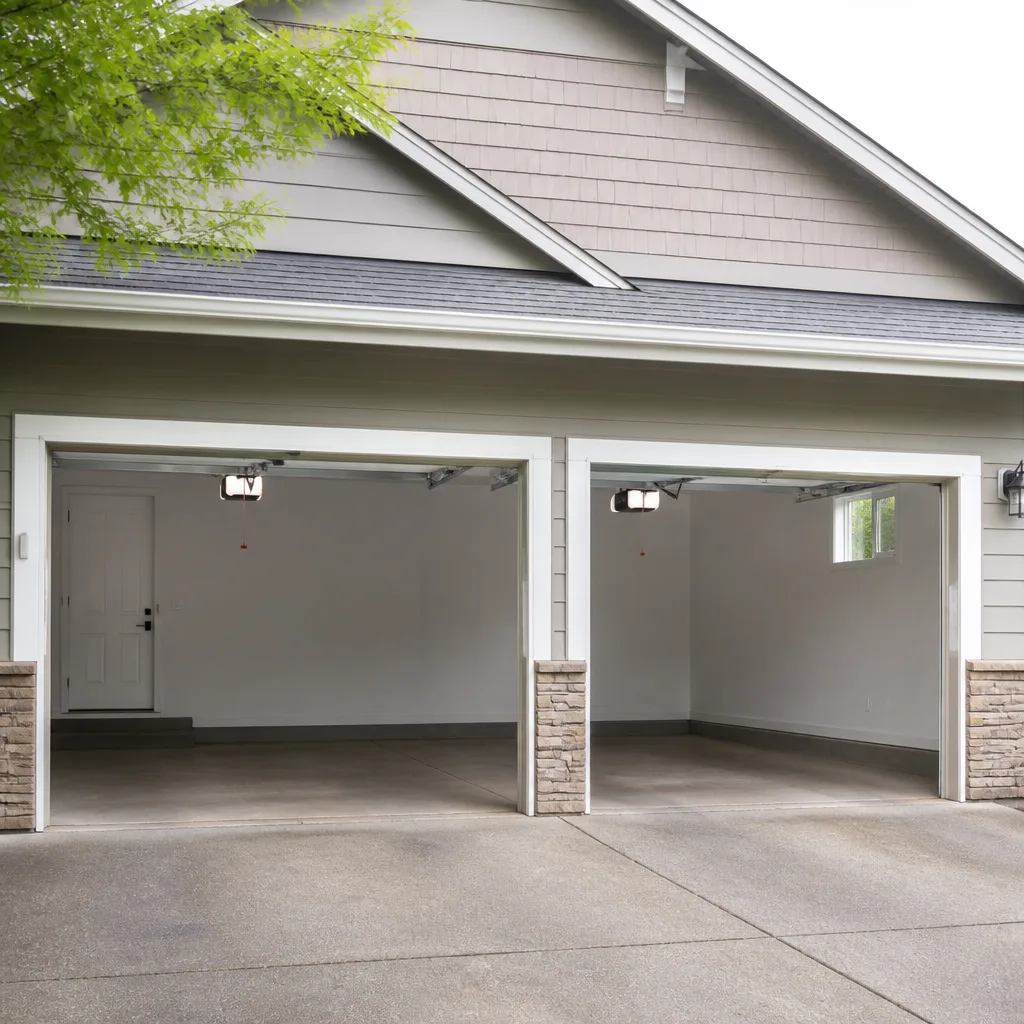 LiftMaster openers
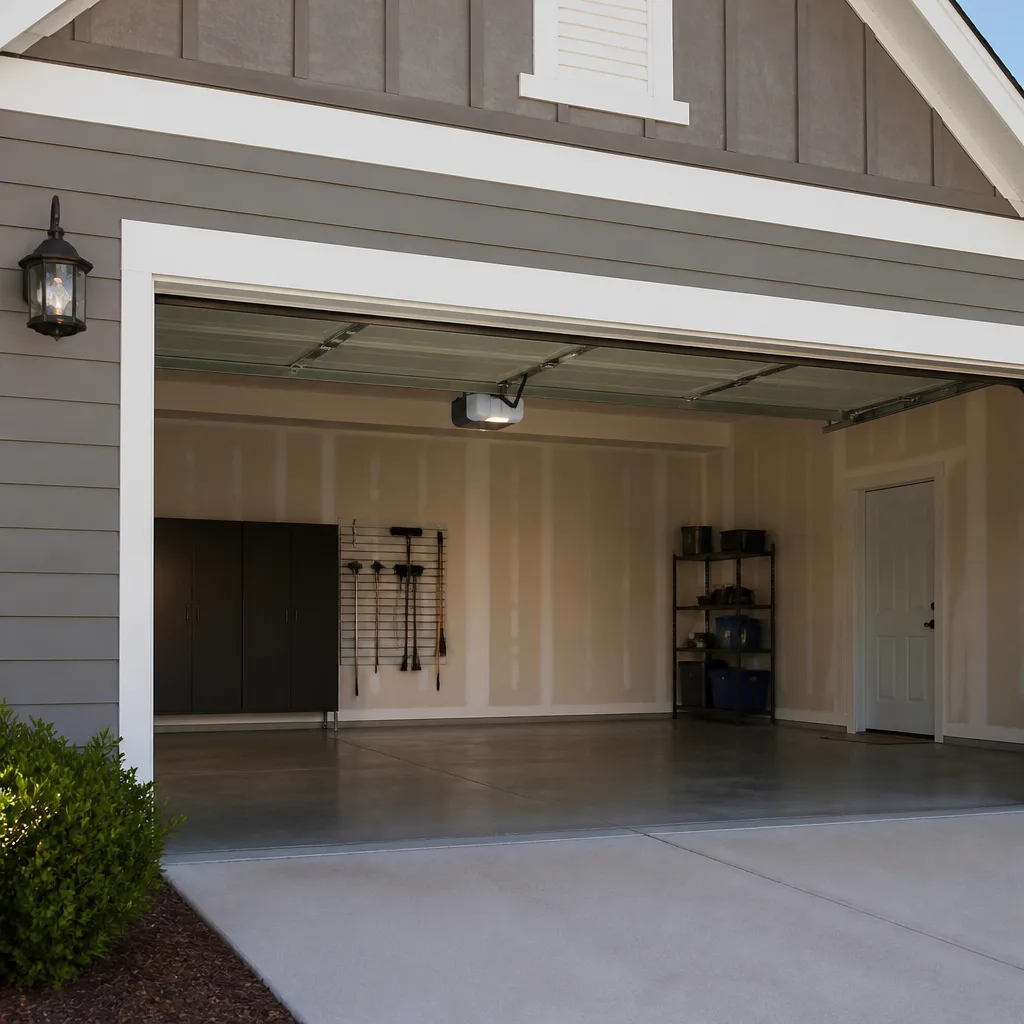 Chamberlain openers
Full 25-point door and opener safety check with every visit - springs, cables, rollers, tracks, and your LiftMaster or Chamberlain opener included
You get a price before we start. It does not change when the truck arrives.
Get your free estimateDIY vs Professional Garage Door: The Gainesville Homeowner’s Decision Guide
Most garage door advice online treats repair as a single skill level: either you’re handy or you’re not. That framing is wrong. The real question isn’t whether you’re capable. It’s which specific tasks carry physical risk, and which carry code risk in Florida. Replacing a torsion spring can kill you if it lets go. Installing a new door without the right permit can quietly create a problem that surfaces years later at your next home sale. Between those two extremes sits a wide middle of jobs a careful homeowner can handle in an afternoon. This guide walks through that middle in context of Gainesville homes, so you can decide task by task instead of guessing at the whole.
Quick Answer
A competent homeowner can safely handle lubrication, sensor alignment, remote and keypad programming, and visual inspections. Anything involving torsion springs, cables, bottom brackets, or a full new door and opener installation belongs with a licensed specialist. In Gainesville, a full door or opener install may require a permit, and unpermitted work can complicate a future home sale. If you’re unsure which category your problem falls into, a free estimate is the fastest way to find out.
Styles & brands we work with
- Raised-panel steel
- Carriage house
- Modern flush
- Full-view glass
- LiftMaster openers
- Chamberlain openers
Table of Contents
- The Task-by-Task Breakdown: What’s Safe to DIY and What Isn’t
- Why Springs and Cables Are a Hard No for DIY
- Florida Code and Permits: The DIY Risk Nobody Warns You About
- The Real Cost Comparison in Gainesville
- How to Tell If a YouTube Tutorial Actually Matches Your Door
- Three Questions to Answer Before You Pick Up a Wrench
- Opener Repair: Where DIY Usually Stops Working
- Common Mistakes to Avoid
The Task-by-Task Breakdown: What’s Safe to DIY and What Isn’t
Garage door work splits cleanly along one line: does the task involve the tension system or the full structural assembly? If no, it’s usually a homeowner job. If yes, it’s a specialist job. Here’s how the split runs in practice.
Safe for a competent homeowner
- Lubrication. Hinges, rollers, and tracks benefit from a garage-door-specific lubricant a couple of times a year. This is the single highest-value thing you can do yourself.
- Photo-eye alignment. If the door reverses on its own or won’t close, the safety sensors at the bottom of the tracks are the first thing to check. Wiping the lenses and confirming both LEDs are lit solves most of these.
- Remote and keypad programming. Re-pairing a remote or resetting a keypad code is a manual-and-twenty-minutes job. LiftMaster, Chamberlain, Genie, and Craftsman openers all have straightforward programming sequences.
- Visual inspection. Look at cables for fraying, check that the door is balanced when you disconnect the opener and lift it halfway, and listen for new noises. Inspection is always safe. Repair is where it changes.
- Track wiping and light debris removal. A clean track reduces wear on everything else.
Requires a specialist
- Torsion spring replacement. These springs hold serious stored energy. A spring that releases while you’re near it can cause severe injury. There is no safe homeowner version of this job.
- Cable replacement and adjustment. Cables are under the same tension as springs and can whip when they fail.
- Bottom bracket work. The bottom bracket is where the cable attaches. It’s load-bearing.
- Panel replacement on a tensioned door. Swapping panels on a door under tension changes the balance of the whole system.
- Full door and opener installation. This is a measured, permitted, scheduled job, not a weekend project.
That split holds whether your door is a newer Amarr unit or an older Wayne Dalton that’s been on the house for years. The system design is the same; the labels change. In our experience around Gainesville, the homeowners who get into trouble are the ones who cross the line on a spring job after successfully handling everything else themselves.
Why Springs and Cables Are a Hard No for DIY
A torsion spring stores enough energy to lift a door that weighs well over a hundred pounds. When it’s under tension, that energy is waiting. When it releases unexpectedly, it moves fast enough that you don’t get a second chance to react. This is the one part of the guide where we’re not going to soften the language: do not attempt spring or cable work yourself, no matter how many videos you’ve watched.
What most DIY tutorials leave out is that the danger isn’t only at the moment of release. It’s also in the winding process. Replacing a torsion spring correctly means knowing how many quarter-turns the spring needs for your specific door weight and height, using the right winding bars, and keeping your body out of the release path. Get the tension wrong and the door may not balance, may not close fully, or may stress the opener. Get it dangerously wrong and the spring can fail catastrophically.
Here’s what to watch for so you know when to stop touching the door and make a call:
- A loud bang from the garage, followed by a door that won’t lift. That’s usually a broken spring.
- A door that lifts a few inches and stops, or feels extremely heavy when you try to raise it manually.
- Visible gaps in the spring coil.
- Cables that look frayed, kinked, or are hanging slack on one side.
- A door that’s visibly crooked when it’s fully closed.
Any of those means the tension system is compromised. Stop operating the door, and don’t try to raise it manually. Call a specialist. If your door has failed and you’re in Gainesville, our garage door repair team handles spring and cable work with the right tools and the right tension calculations for your specific door, and the price is set before we start. We answer 24/7 at (866) 389-5046, with fast dispatch from 7am to 7pm, Sunday through Friday. A call outside dispatch hours is booked into the next opening.
Florida Code and Permits: The DIY Risk Nobody Warns You About
Here’s the part that surprises people. A garage door is not just a moving object. It’s part of your home’s structural envelope and, in Florida, it’s often a regulated component. Installing a new door or opener without checking on permits can create a problem that doesn’t surface until a home inspection or a sale. That’s a very different kind of risk than a spring injury, and it’s the one that most DIY guides ignore entirely.
We’re not going to quote you a specific code section or tell you a specific city rule, because those details vary and they change. What we can tell you is that in Florida, garage door replacement and opener installation frequently fall under local permitting requirements, and the requirements differ from one jurisdiction to another. The correct move before any installation is simple:
- Call your local building department and ask whether a permit is required for your specific project. Say whether it’s a like-for-like replacement or a different door or opener.
- Ask what the inspection process looks like if a permit is issued. Some jurisdictions require an inspection; others don’t.
- Ask how the work will be recorded. A permitted job creates a paper trail. Unpermitted work generally doesn’t.
The resale angle matters. Florida home sales involve disclosure obligations, and buyers’ inspectors look for unpermitted work. A door or opener that was installed without a permit can come up as a question during a sale. It doesn’t automatically kill a deal, but it creates friction, delay, and sometimes a demand to have the work formally permitted after the fact. For a homeowner in Gainesville planning to sell within a few years, that’s a real cost that the DIY savings don’t cover.
What we do on installation jobs is walk through the permit question with the homeowner before we order anything. That’s part of the free measure and the written price. It’s not a sales tactic. It’s the part of the job that keeps a new door from becoming a future headache.
The Real Cost Comparison in Gainesville
National averages for garage door work are close to useless in a local market. Parts prices vary by region, labor rates vary, and the mix of door types in a given city affects what a specialist charges. We’re not going to give you a firm number, because we don’t set our price until we’ve seen the door. What we can do is give you an honest framework for comparing a DIY path to a specialist path in Gainesville.
| Path | What You Pay | What You Get | Hidden Cost |
|---|---|---|---|
| DIY lubrication, sensor, remote | Cost of lubricant or a replacement remote | Solved problem, usually same day | None if done correctly |
| DIY spring replacement | Cost of a spring and winding bars | Injury risk, potential door damage, no warranty on the work | Possible opener damage, possible injury, no recourse |
| DIY full door installation | Cost of door, hardware, tools | Unpermitted install risk, balance and tension set by trial and error | Permit issues at sale, re-work by a specialist |
| Specialist repair (spring, cable) | Per-job price, quoted before work starts | Correct tension, correct parts, work done by a specialist | None if the quote is honored, and ours is |
| Specialist installation | Free measure, written price, permit guidance | Correct door, correct opener, correct paper trail | None if the price is agreed upfront |
Two things to notice in that table. First, DIY only saves money on the top row. Every row below it trades a dollar saving for a risk. Second, the specialist rows are quoted per job and agreed before work begins. If the quote and the invoice don’t match, that’s the specialist’s problem, not yours. Ours match.
What drives the price of a specialist job
- The specific part: a single torsion spring, a matched pair, a cable set, a panel.
- The door’s age and weight: older doors sometimes need hardware updates to balance correctly.
- The opener brand and model: some openers pair cleanly with new parts, others don’t. We work on LiftMaster, Chamberlain, Genie, Clopay, Amarr, Wayne Dalton, Craftsman, and Raynor, so we’re used to the compatibility questions.
- Whether a permit applies, for installation work.
If you want a straight answer for your specific setup, call (866) 389-5046. We answer 24/7. Fast dispatch from 7am to 7pm, Sunday through Friday. Estimates are free, and the price is set before any work starts.
How to Tell If a YouTube Tutorial Actually Matches Your Door
This is where more homeowners get into trouble than anywhere else. A tutorial that looks right and a tutorial that applies to your door are two different things. Garage doors fall into a handful of configurations, and the tutorials for one don’t always map onto another. Here’s how to check before you follow along.
- Identify your spring type first. Torsion springs are mounted horizontally above the door on a shaft. Extension springs run along the horizontal tracks on either side. Tutorials are not interchangeable between the two, and the tools are different.
- Count your springs. One spring or two matched springs. The replacement procedure is different, and the tension math is different.
- Check the manufacturer and model on the door itself. Doors from Amarr, Wayne Dalton, Clopay, and Raynor all have their own hardware and their own panel attachment details. A panel replacement tutorial for one doesn’t necessarily apply to another.
- Look at the opener brand before you watch an opener video. A LiftMaster programming sequence is not the same as a Genie sequence. Chamberlain and Craftsman openers share some behavior; they don’t share all of it.
- Compare the age of the door to the tutorial. A door built in the last ten years is more likely to have a current hardware pattern. A door older than that may have been repaired with aftermarket parts that change how it comes apart.
- Check the comments for “this didn’t work on my [brand]” before you trust the video. That’s the fastest signal that the tutorial covers a narrower case than the title suggests.
And here’s the hard rule at the end of that list: if the tutorial involves a spring, a cable, or the bottom bracket, put the phone down and call someone. The identification steps above are useful for safe jobs. On the unsafe ones, they’re a diagnostic tool, not a green light.
Three Questions to Answer Before You Pick Up a Wrench
The framework here isn’t complicated. Three questions, answered honestly, will tell you which path to take on almost any garage door problem. Answer them before you do anything else, including standing on a ladder.
Question 1: Does the task involve the tension system?
If yes, stop. Springs, cables, and bottom brackets are specialist-only. If no, move to question two. Lubrication, sensor alignment, remote programming, and visual inspection all pass this question cleanly. Panel replacement on a tensioned door does not, because the door’s balance depends on the whole assembly.
Question 2: How old is the door, and is it still under manufacturer warranty?
Warranty terms vary by manufacturer and by door. If your door is still covered, a DIY repair might void the manufacturer’s warranty on that component or on the whole door. That’s a cost that doesn’t show up on the parts receipt. Before you touch a covered door, read the warranty terms. If you’re not sure, a call to the manufacturer or to a specialist can settle it in a few minutes.
Question 3: Is this a repair, or is it installation?
Repair is one thing. Installation is a different category. A repair on existing hardware is, in most cases, not a permitted job. A full door or opener installation may be, and in Florida that varies by jurisdiction. If the answer to this question is “installation,” the next step is a call to the building department and a call to a specialist, in that order. The price comparison can wait until you know what the job actually requires.
Opener Repair: Where DIY Usually Stops Working
Openers are the one part of the garage door system that draws a lot of DIY attention, because openers are electronics, and electronics feel approachable. In practice, opener work splits into two zones. Zone one is programming and pairing. Zone two is everything else.
Zone one is genuinely DIY-friendly. Re-pairing a remote, resetting a keypad code, adjusting the travel limits on a modern opener, and reconnecting an opener after a power outage are all documented jobs. LiftMaster, Chamberlain, Genie, Craftsman, and Raynor all publish programming instructions for their openers. If your opener uses a smart-home app, the app will usually walk you through pairing.
Zone two is where we get called most often in Gainesville. Common opener problems that aren’t programming:
- Door goes up but not down, or reverses immediately. Usually a sensor issue, sometimes a force-limit setting, occasionally a failing logic board.
- Motor runs but door doesn’t move. Often a stripped gear or a broken drive component, which means opening up the opener housing.
- Opener works from the wall switch but not the remote (or vice versa). Can be a remote, a receiver, or a logic board problem.
- Opener is louder than it used to be. Worn drive components or a failing motor bearing.
- Opener won’t hold the door up in the open position. Usually the opener, sometimes the door’s balance.
We treat garage door opener repair as its own service for exactly this reason. The opener and the door are two systems that interact, and diagnosing one without the other leads to parts being replaced that didn’t need it. Holloway has been at this since 2017, and the surname is on every job, so the diagnosis is ours to stand behind.
Common Mistakes to Avoid
- Adjusting the wrong spring on a two-spring door. A matched pair is meant to be replaced together. Replacing one and leaving the other means the door is out of balance, and the new spring takes more load than it’s designed for. Springs pair up for a reason.
- Following an extension-spring tutorial on a torsion door. The two systems look similar in a video thumbnail. The procedures, tools, and risk profile are completely different.
- Greasing the tracks. This is a common one. Tracks are meant to be clean and dry. Lubricant on the tracks attracts grit and can cause the rollers to slide instead of roll.
- Skipping the permit question on a new install. Florida permit requirements vary by jurisdiction, and a door or opener installed without one can surface at a home inspection or a sale. A quick call to the building department settles it.
- Assuming a smart-home opener is a DIY install. Pairing is DIY. Installing the opener itself involves the tension system, wiring, and often a permit. Those are separate tasks.
- Forcing a door that won’t lift. If the door won’t come up, the tension system is likely compromised, and forcing it can make a repair worse. Stop operating it and call.
- Buying a replacement spring before identifying the door’s weight and cycle requirement. Springs are matched to the door. A spring that’s the wrong size for the door won’t balance it and may fail early.
See the difference
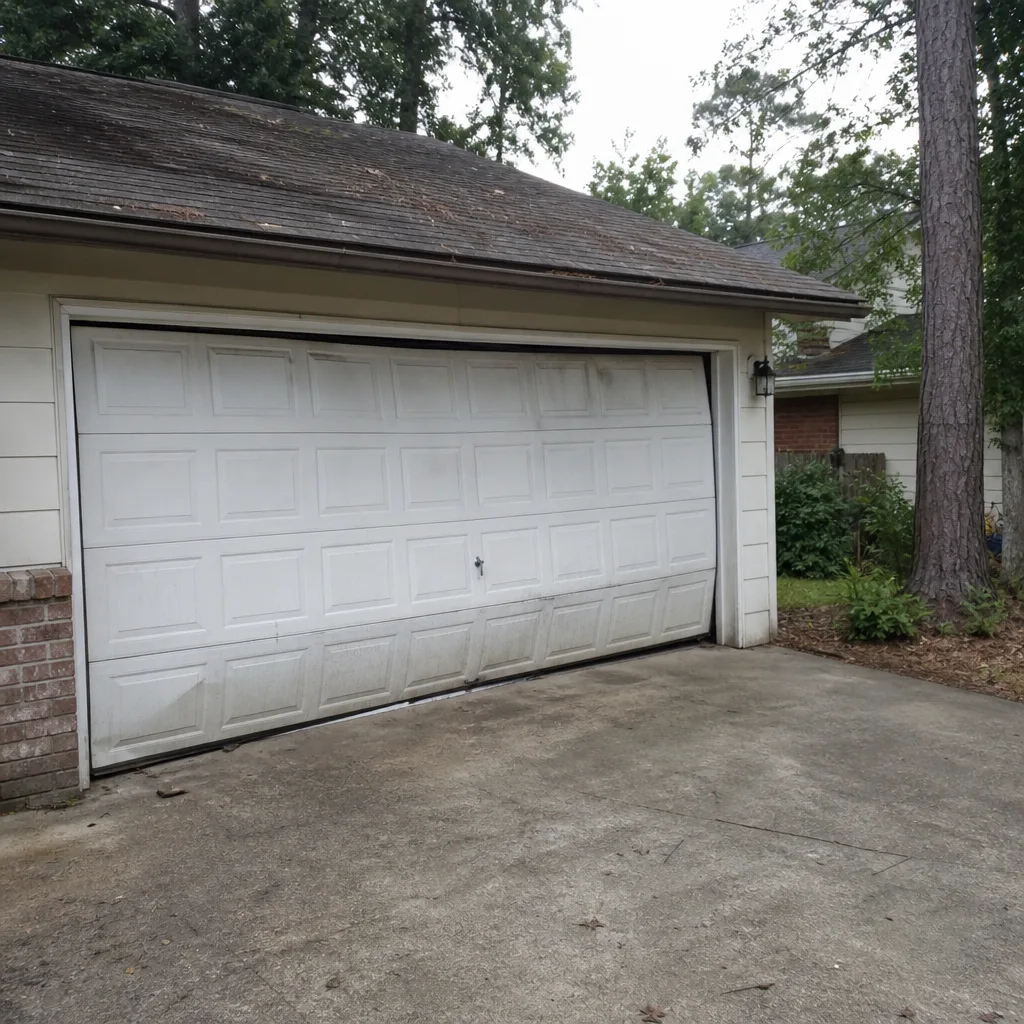 Before
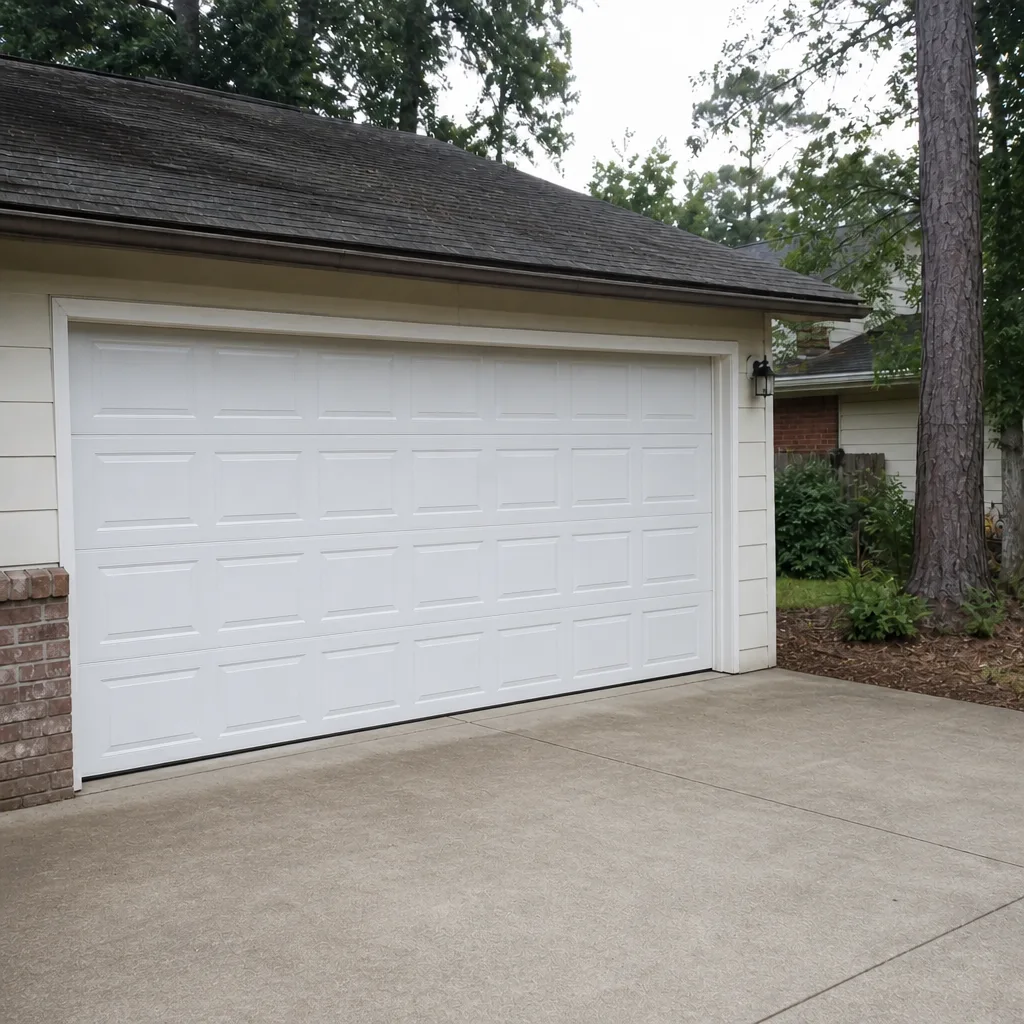 After
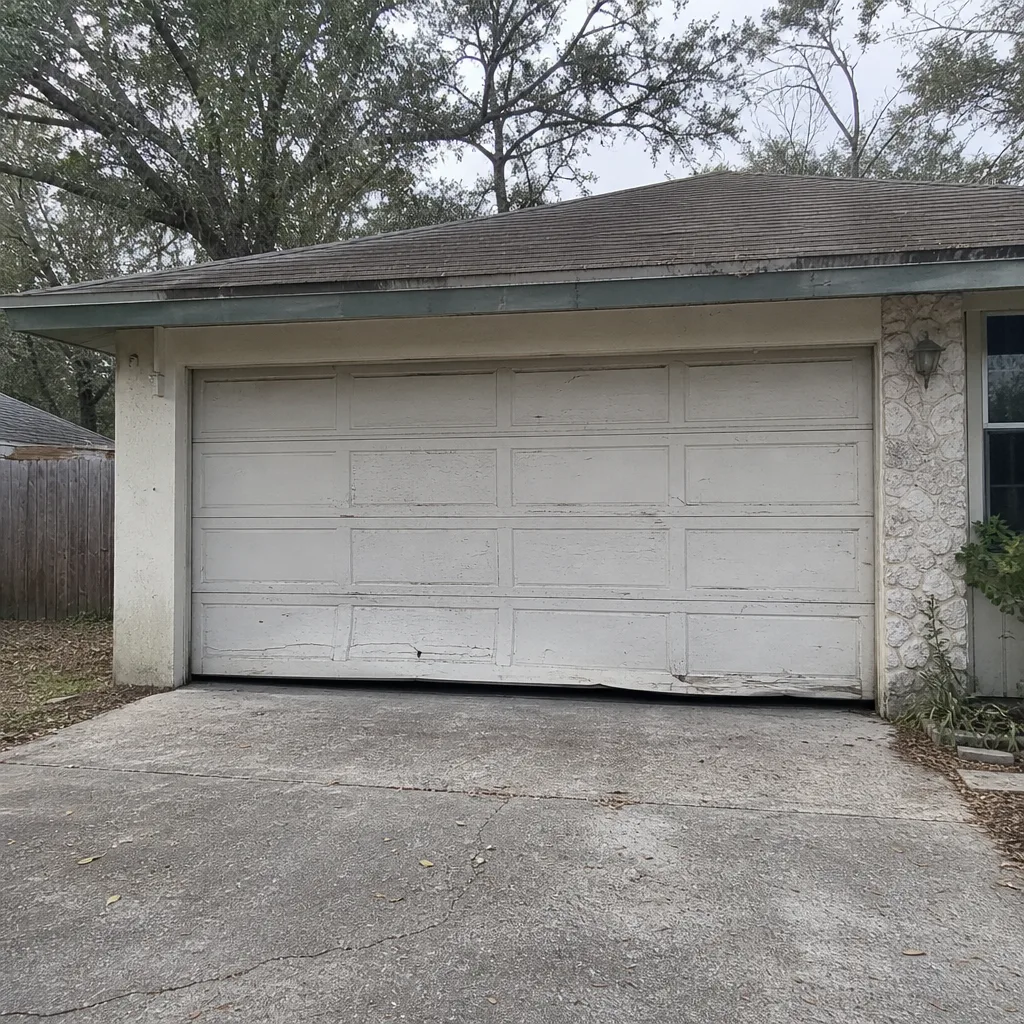 Before
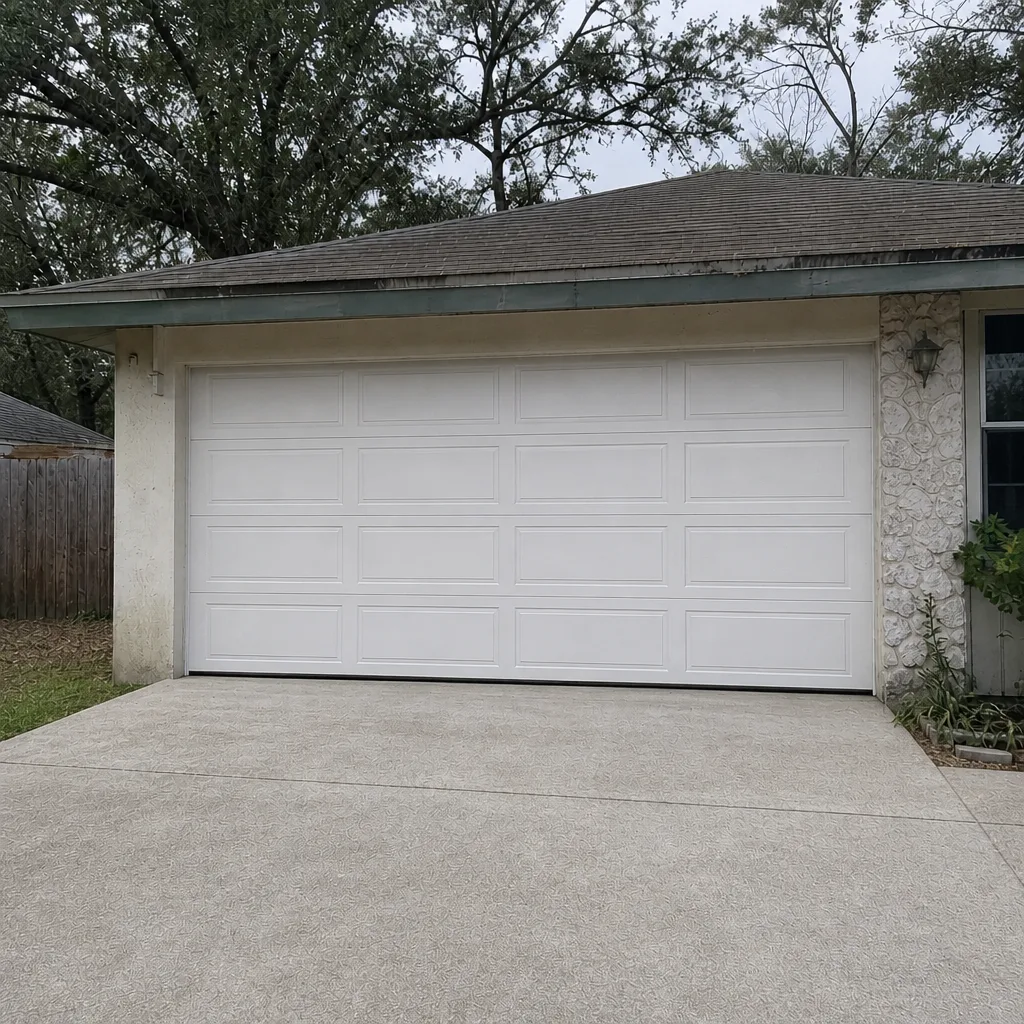 After
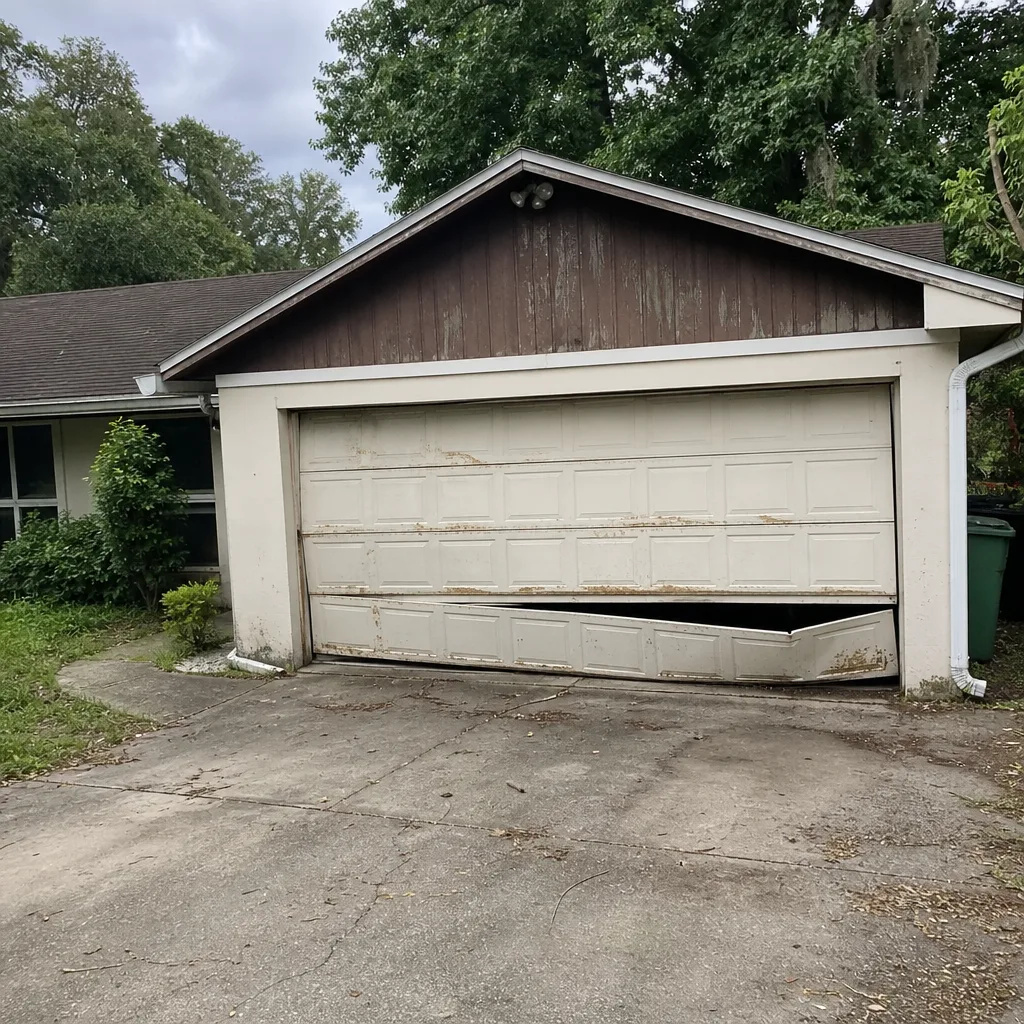 Before
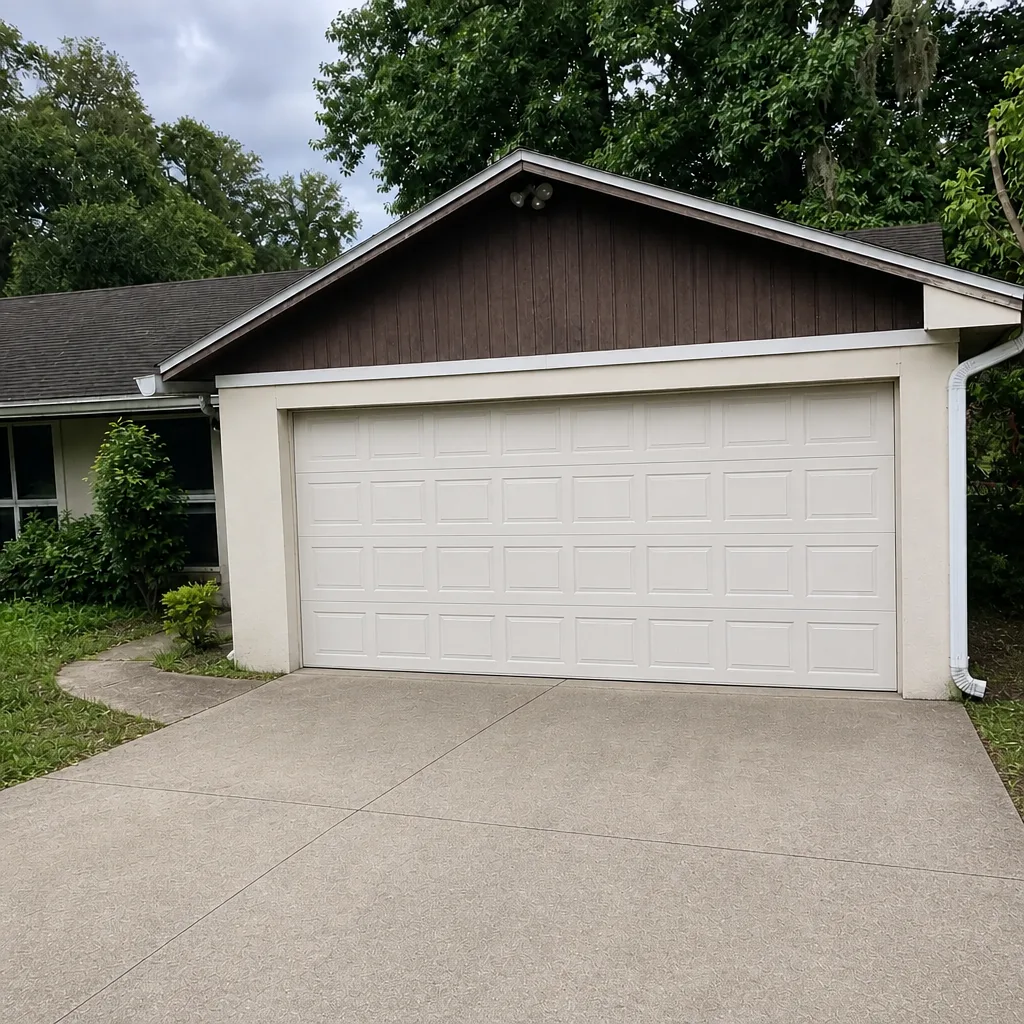 After
When to Call a Professional
Call a professional on any of these: a broken or visibly compromised spring, a frayed or slack cable, a door that’s crooked in the closed position, a bottom bracket that’s bent or loose, a full new door or opener installation, an opener that runs but doesn’t move the door, or any moment where you’re not sure which of those you’re looking at. Also call before a DIY repair if the door is still under manufacturer warranty and the repair might void it. If you’re in Gainesville or nearby, Holloway Garage Door Repair offers free estimates. Call (866) 389-5046. We answer 24/7. Fast dispatch from 7am to 7pm, Sunday through Friday. A call outside dispatch hours is booked into the next opening. The price is quoted and agreed before any work starts.
We work on whatever is already in your garage. Garage doors are all we do, from a stuck spring to a full new door. If you want to read more about how we work in the area, start with Gainesville.
Frequently Asked Questions
No, and this is the one answer in this guide that we won’t hedge. A torsion spring stores enough energy to cause serious injury when it releases, and the winding process itself is dangerous without the right tools and the right tension calculation. Call a specialist. If your spring has broken, call (866) 389-5046. Estimates are free.
It depends on your specific jurisdiction, so the right move is to call your local building department and ask about your specific project. Permit requirements for garage door and opener installation vary in Florida, and unpermitted work can create a disclosure issue at a future home sale. Ask before you order the door. Call (866) 389-5046 if you’d like us to walk through the permit question with you on a free measure.
Lubrication, photo-eye alignment, remote and keypad programming, visual inspection, and cleaning the tracks are all homeowner jobs. Anything involving springs, cables, or the bottom bracket is not. If you’re not sure which category a job falls into, that’s a five-minute phone call. Call (866) 389-5046 and we’ll tell you straight.
It can, on some doors and under some warranties. Warranty terms vary by manufacturer and model, so the honest answer is to read your specific warranty before touching a covered component. If you’re not sure, call the manufacturer or call us at (866) 389-5046 and we’ll help you figure out whether the door is covered.
For lubrication, sensor alignment, and remote programming, DIY saves the cost of the service call and the repair is simple. For springs, cables, and installation, DIY trades a dollar saving for injury risk, permit risk, and no warranty on the work. We quote per job after we see the door, and the price is agreed before any work starts. Call (866) 389-5046 for a free estimate.
Sometimes. Re-pairing a remote is a documented DIY job on LiftMaster, Chamberlain, Genie, Craftsman, and Raynor openers. If re-pairing doesn’t solve it, the problem is more likely in the receiver or the logic board, and that’s an opener repair job. Call (866) 389-5046 and we’ll diagnose it for free before any work starts.
The Bottom Line
DIY vs professional isn’t about skill level. It’s about two different kinds of risk. The physical risk lives in the tension system: springs, cables, and bottom brackets. No homeowner should touch those. The code risk lives in installation: permits, inspections, and the disclosure obligations that come with a home sale in Florida. Checking with the building department before you install anything is the move that protects you years from now. Between those two extremes sits a wide middle of jobs that a competent homeowner can handle with a lubricant can, a manual, and a little patience. Lubricate the moving parts, keep the tracks clean, re-pair remotes when they drop off, and know what a broken spring looks like so you stop operating the door when you see one. For everything else, Holloway Garage Door Repair offers a free estimate and a written price before work starts. Garage doors are all we do. Call (866) 389-5046. We answer 24/7. Fast dispatch from 7am to 7pm, Sunday through Friday.
Written by the team at Holloway Garage Door Repair, serving Gainesville since 2017.