
Last updated November 14, 2026
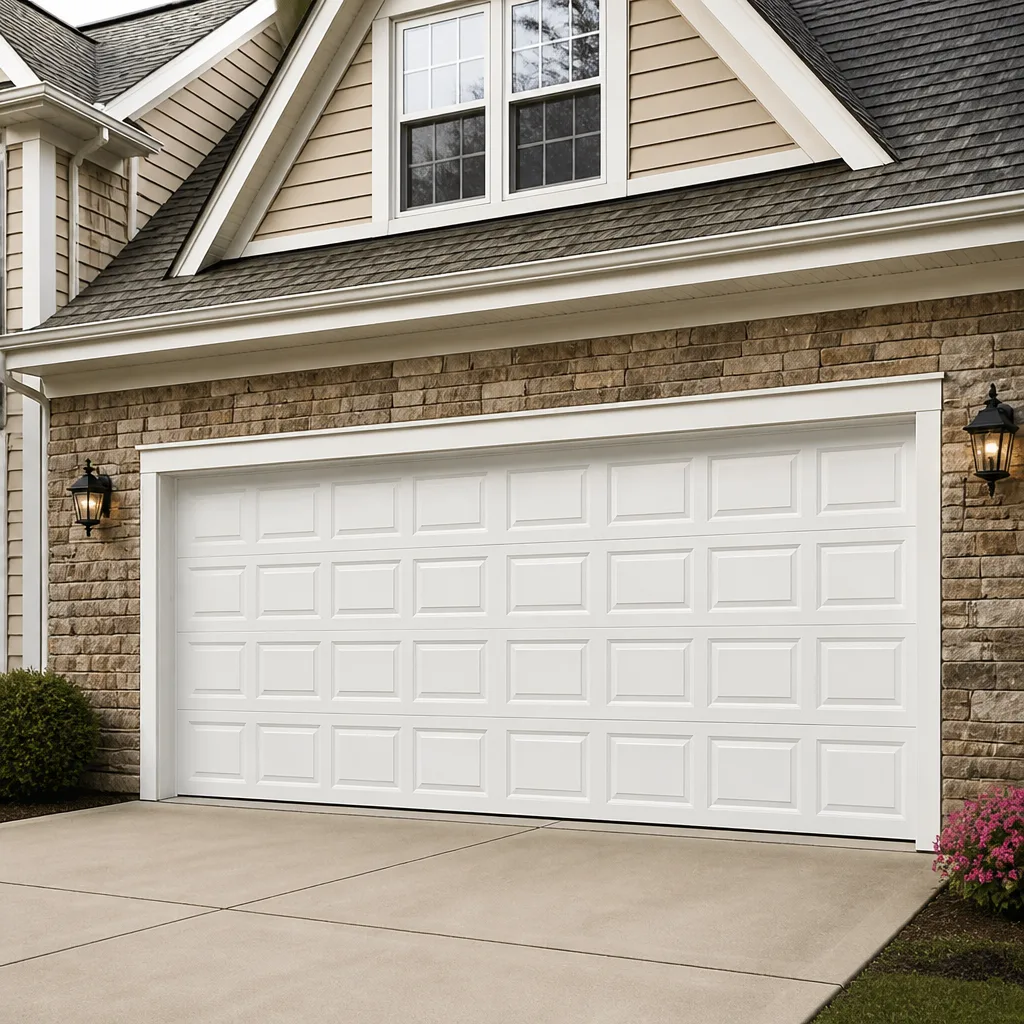 Raised-panel steel
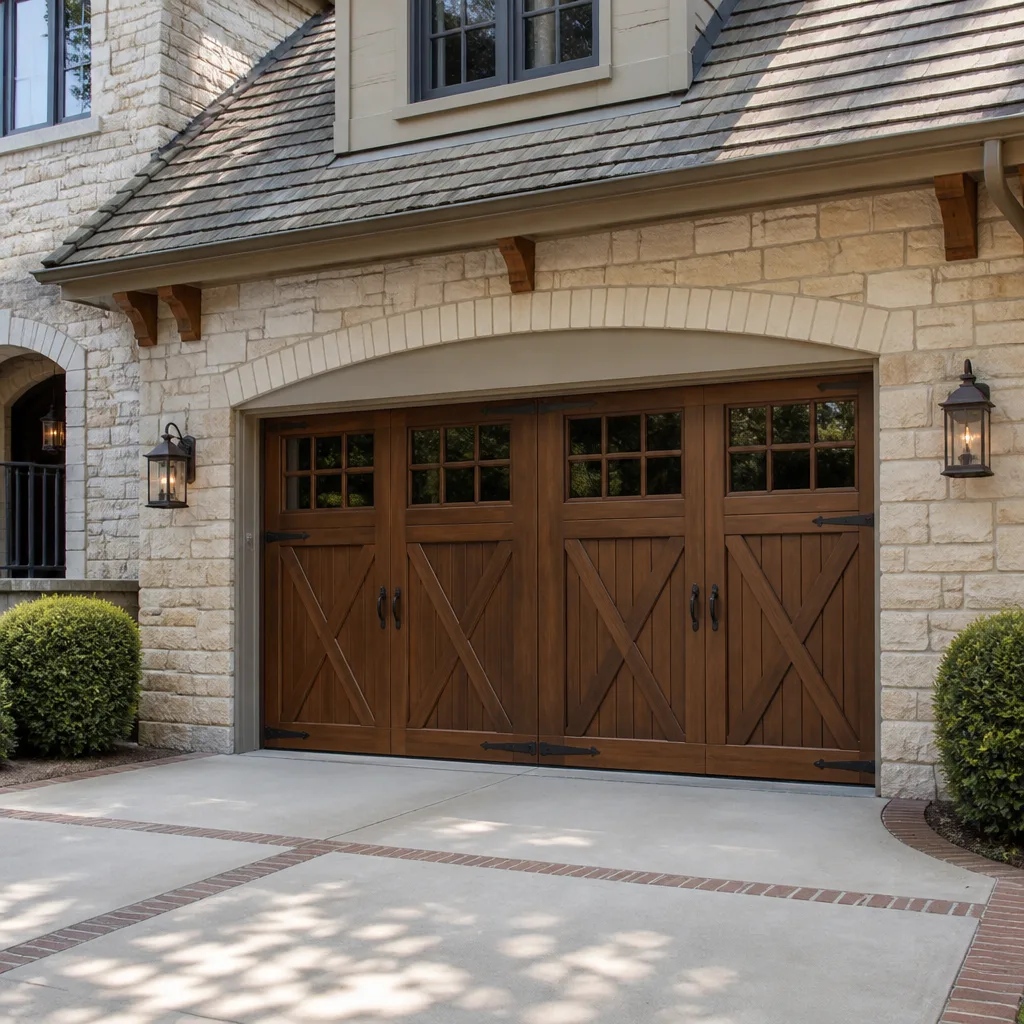 Carriage house
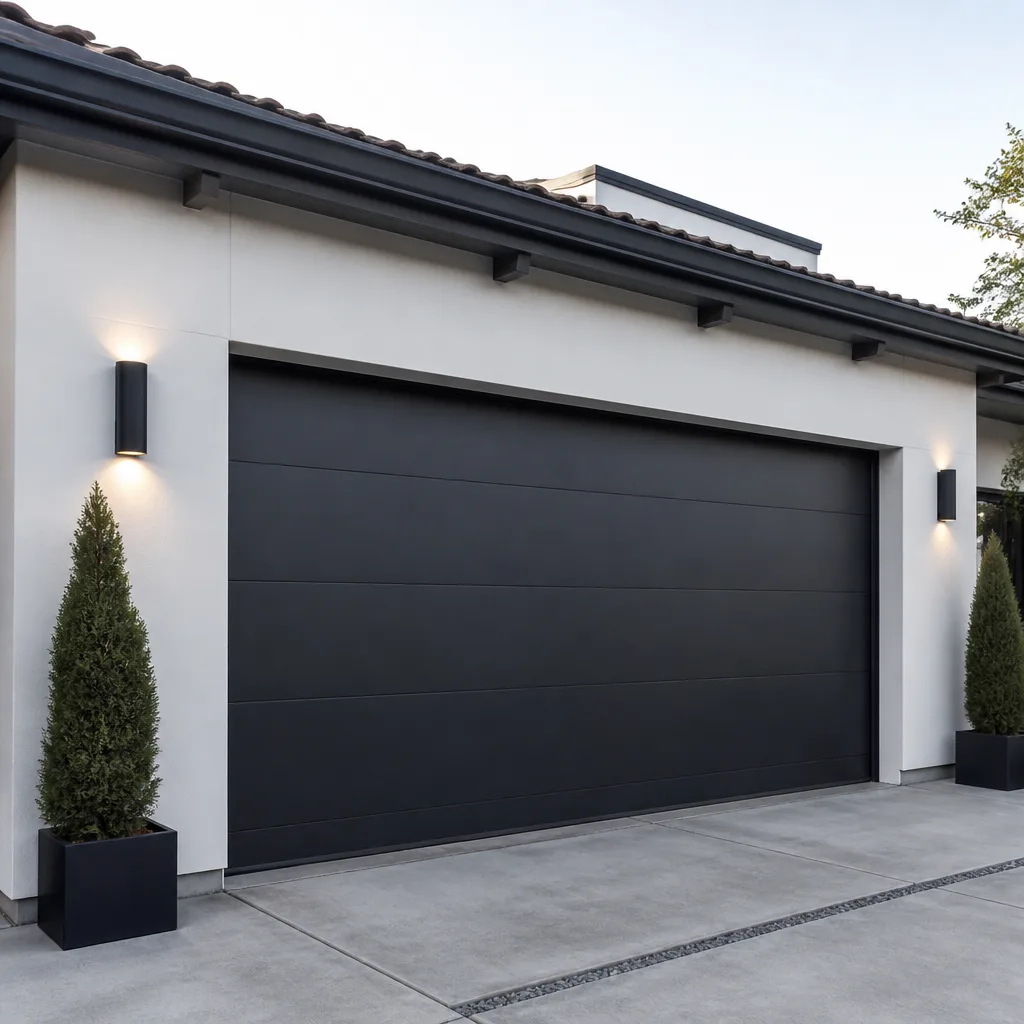 Modern flush
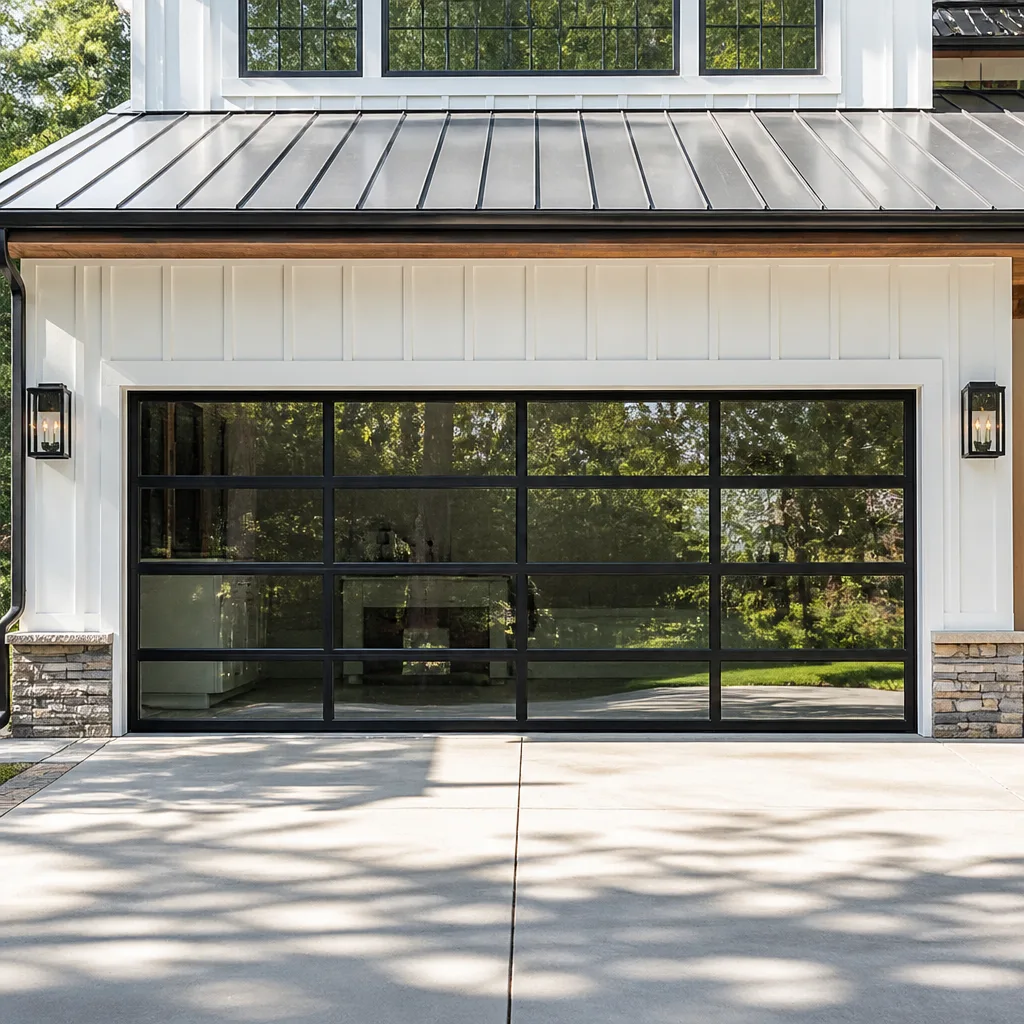 Full-view glass
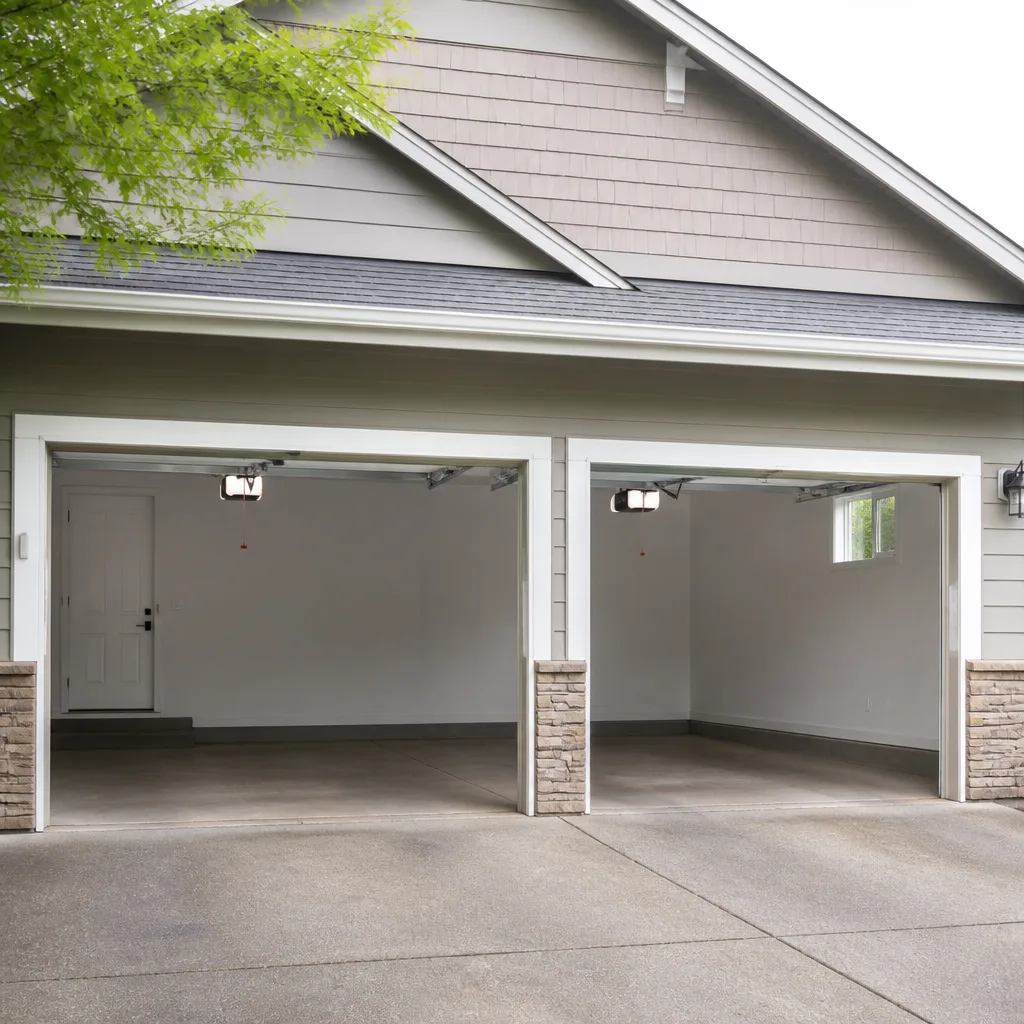 LiftMaster openers
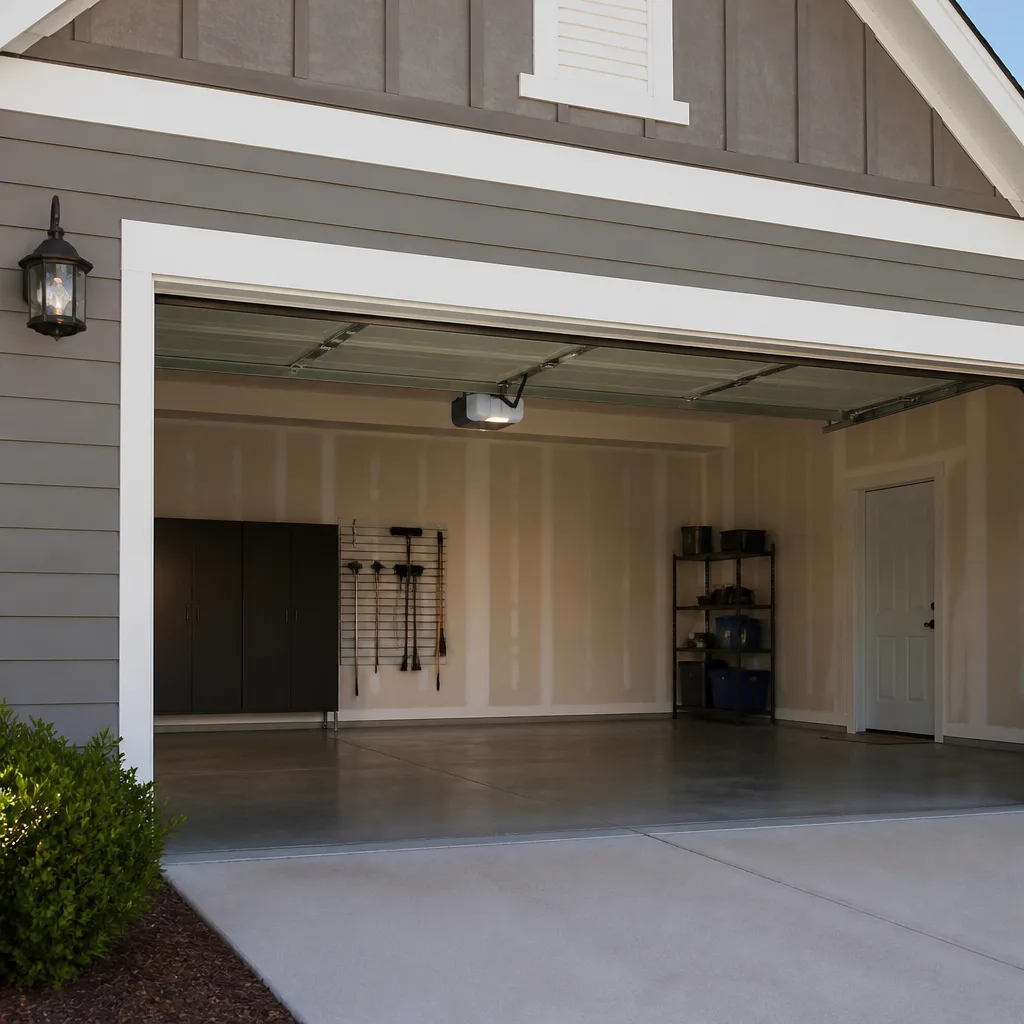 Chamberlain openers
Full 25-point door and opener safety check with every visit - springs, cables, rollers, tracks, and your LiftMaster or Chamberlain opener included
You get a price before we start. It does not change when the truck arrives.
Get your free estimateGarage Door Emergency Preparedness Guide for Gainesville Homes
Most homeowners think of a garage door failure as one kind of problem: something breaks, you call someone, it gets fixed. That’s the wrong mental model, and it catches people off guard here every year. In Gainesville, garage door emergencies really split into two types. There are acute mechanical failures – a spring snaps, a cable lets go, a door jumps its track, an opener dies for no clear reason. Then there are storm-driven failures, where wind and debris combine with a weakened door to create a problem that a repair alone can’t solve. The response plan for each is different, and the details matter more than most people realize.
This guide walks through both. You’ll learn how to work the manual release on the opener models you actually have, what to do in the first five minutes after a spring breaks, how to secure a door before you evacuate, what to inspect when the storm passes, and who to call in what order. A couple of these steps take ten minutes to learn and could save you hours, or worse, when you need them.
Quick Answer
For a garage door emergency in Gainesville, your first move depends on the failure type. For an acute mechanical problem – a broken spring, a door off track, or a dead opener – stop operating the door immediately, keep people and vehicles clear, and call a specialist. For a storm-driven failure, secure the door from the inside, document any damage for your insurer, and inspect the tracks and header before you press the button again. In both cases, don’t force a stuck door; the cost of a proper repair is always lower than the damage from a forced one.
Styles & brands we work with
- Raised-panel steel
- Carriage house
- Modern flush
- Full-view glass
- LiftMaster openers
- Chamberlain openers
Table of Contents
- How to Work Your Manual Release Before You Need It
- The First Five Minutes After a Spring Breaks
- Hurricane Prep: Securing Your Door Before Evacuation
- Post-Storm Damage Assessment Step by Step
- Who to Call, and in What Order
- Storm-Chaser Scams to Watch For
- Pre-Season Maintenance That Prevents Emergencies
- When to Call a Professional
How to Work Your Manual Release Before You Need It
Here’s the thing about manual releases that catches people: almost every adjustable garage door opener has one, and almost nobody has practiced using it. That’s fine in ordinary times. During a power outage ahead of a storm, when you need to leave in a hurry and your door won’t lift, it’s a serious problem. Practicing once, on a calm week, turns a five-second action into a reflex.
The release cord hangs from the trolley that rides the opener rail above the door. It’s usually a red or black handle on a short rope. The mechanism varies slightly by brand. On a LiftMaster or Chamberlain opener, the trolley has a spring-loaded pin the cord pulls back; on a Genie or Craftsman unit, it may be a lever or a toggle. The principle is the same on every model: pull the handle to disengage the trolley, and the door now operates by hand.
Here’s the mistake we see most often, and it disables the release: pulling at an angle. The cord must be pulled straight down, perpendicular to the rail. Pulling it sideways or forward binds the pin in its housing, and on some models it wedges the release so the door still won’t move. Then people pull harder, and the cord or the lever arm bends. That’s the moment the “manual release” quits being manual. When you practice, pull slowly and directly down, feel the pin release, and only then lift the door by its handle.
There’s a second thing to know. A manual-released door can crash down on its own if the springs are damaged or a cable is loose. Once the opener is disengaged, the door is held up only by its torsion or extension springs. If you’re not sure of their condition, prop the door open with a brace before walking under it. And remember the release is for moving the door by hand. It doesn’t fix anything mechanical. If the door is heavy or the springs look worn, call before you use that handle in an evacuation.
The First Five Minutes After a Spring Breaks
A torsion spring breaking sounds like a gunshot from inside the garage. Extension springs are a bit quieter, but the punch of a spring letting go is unmistakable either way. The door drops partway and stops, or it hangs at an awkward angle. The instinct is to grab it and push it up. Don’t.
A broken spring means the weight of the door, which can run several hundred pounds, is now supported by nothing but the cables and the torsion bar (or the remaining extension spring, which is under enormous tension). Touching the cables or springs in that state is the single most dangerous thing a homeowner can do on a garage door. This is the part where a specialist earns their keep. Stop, step back, and call.
What to do in the first five minutes:
- Stop operating the door. Don’t press the opener button, don’t tug the handle, don’t manually lift. Every cycle puts more strain on cables that are already under too much load.
- Keep the area clear. Move cars out of the way if the door is stuck open and can be safely driven around, and keep kids and pets out of the garage.
- Secure a stuck-open door. If the door is stuck up, prop a heavy brace (a length of 2×4 or a stout garage-door brace) directly under the bottom panel so it can’t drop. Do not use your body or hands to hold it.
- Secure a partially open door. Same idea: block under the low edge with something solid, and close off the space so no one walks under it.
- Photograph the scene if the failure is storm-related, for insurance. If it’s just a broken spring, note the model name on the opener (Craftsman, Raynor, LiftMaster, Chamberlain, whichever is on your unit) so the technician can bring the right parts.
- Call for repair. Springs are replaced as a matched pair in most cases, and a specialist will bring the right pair on the truck.
For a same-day garage door repair in Gainesville, call (866) 389-5046. We answer 24/7, with fast dispatch from 7am to 7pm, Sunday through Friday. The price is quoted and agreed before any work starts.
Hurricane Prep: Securing Your Door Before Evacuation
Gainesville sits far enough inland that hurricane prep often gets treated as a low priority. That’s a mistake. Tropical systems that cross the peninsula can still bring damaging wind and debris to Alachua County, and a garage door is the largest opening on most homes. If it fails, pressure gets inside the structure, and the roof and walls take the load next. Securing it is not a small detail.
Do this before you evacuate:
- Close the door fully and confirm it’s latched. Many openers have an auto-latch, but it can be defeated by a power outage. If your door has a manual slide lock or locking bar, engage it now. On a door without one, a locking bar or a temporary brace across the inside of the door adds real security.
- Disconnect the opener and engage the manual lock if you have one. An opener doesn’t hold the door against wind; the lock and the bracing do. If your opener has a battery backup, leave it charged, but don’t rely on it as a lock.
- Brace large doors from the inside. A wind-rated door is rated because the panel and hardware can handle pressure up to its rating, but only when it’s properly installed and locked. Bracing the door from the inside with appropriate vertical supports adds resistance.
- Test the manual release. If you might need to leave during an outage, do the pull-straight-down test described above while the power is still on.
- Photograph the inside and outside of the door. This is your baseline for insurance, whether or not a claim happens.
Then go. If you’re staying, keep the door locked down and stay clear of it during the worst of the wind. Do not open the garage door mid-storm to check something; the pressure change can cause failures you can’t undo. And remove anything loose from the garage that could become a missile if the door fails.
Post-Storm Damage Assessment Step by Step
When the storm passes, resist the urge to press the button and see what happens. A door that looks fine from the driveway can be out of alignment, with a damaged track or a compromised header, and running it can turn a small repair into a panel replacement.
- Look at the header and the wall above the door. Cracks in the drywall above the door, sagging trim, a gap between the header and the wall, or visible movement are signs the structure took a hit. Don’t operate the door until that’s checked.
- Inspect both vertical tracks for alignment. The tracks should be plumb, parallel, and free of bends. A track that’s out of line by even a fraction of an inch will grind against the rollers and hang the door.
- Check the rollers and hinges. Look for rollers that have popped out of the track, hinges that have bent, or any part of the door frame that’s split. Watch for debris jammed in the track; a leaf or a branch is enough to derail a door.
- Look at the springs and cables. Cables that are frayed or slack, springs that look stretched or have a visible gap, or a torsion bar that’s bent all mean call before you run the door.
- Check the panels for impact damage. Hail is uncommon here, but wind-blown debris isn’t. Dents that have deformed the panel, or gaps between panels, mean the door may not seal and may not be structurally sound.
- Only then test the door, by hand and slowly. Disengage the opener, lift the door halfway and let it settle. If it’s hard to lift or drops, stop. If it moves smoothly, re-engage and test with the opener.
If anything in that list is unclear, don’t guess. A quick inspection by a technician is far cheaper than a panel replacement, and it gives you documentation for the insurance claim.
Who to Call, and in What Order
After a Gainesville storm, everyone is calling at once. The order you call in determines how quickly your door gets fixed. Here’s the sequence that works:
- Your insurance company, for any storm-driven damage. Start the claim on the same day if you can, and get a claim number. Document with photos before anyone touches the door.
- A garage door specialist, for the repair itself. Call a company that does garage doors only, not a general handyman. For acute failures and storm damage, that’s garage door repair. For a dead opener, it’s garage door opener repair. Both are handled under one roof, so you’re not juggling two contractors.
- Your city’s building department, if the header or wall above the door is damaged. You’ll want to know what permit is needed before the repair starts. Ask the building department for the specifics; it’s a phone call, not a search.
- A reputable installer, if the door is a total loss. Full replacement is measured, ordered, and scheduled, and a written price comes before any work. That’s a different timeline than a repair, so plan for it.
The order is: claim first, repair second, permits where needed, replacement last if it’s warranted. Calling a specialist before your insurance claim is fine, but photograph everything first. For a same-day repair call, ring (866) 389-5046. We answer 24/7. Fast dispatch from 7am to 7pm, Sunday through Friday.
Storm-Chaser Scams to Watch For
Storm damage draws out-of-town contractors who arrive after the weather clears, work fast, and leave before problems show up. Garage doors are a common target because a homeowner under pressure will accept the first crew that shows up. A few red flags separate a legitimate local specialist from a storm chaser:
- They want payment in full upfront. A legitimate technician gives a written estimate before work starts and doesn’t require full payment for the whole job up front. A “discount if you pay cash today” pitch is a warning sign.
- They can’t tell you which brands they handle. Ask directly whether they carry parts for the opener model you have. A company that works across LiftMaster, Chamberlain, Genie, Craftsman, Clopay, Amarr, Wayne Dalton, and Raynor should be able to answer without hesitation. Storm chasers usually can’t.
- They give you a mobile number and no business name. A surname on the door is a bad fit for an anonymous call center. Ask who owns the business and where it’s based. If the answer is vague, walk.
- They quote without looking. A phone quote is fine for a rough range, but the written estimate should follow an on-site inspection. A crew that quotes you a firm price from the driveway and won’t write it down isn’t your crew.
- They ask you to sign a waiver before you’ve seen the damage assessment. Pass.
- They rush you. A legitimate repair company can schedule the work and explain the options. Anyone who says “we have to do it today or the price doubles” is selling pressure, not a repair.
When you do call a local company, ask for an estimate in writing, confirm the price before any work starts, and don’t hand over a deposit before you have it. That’s not distrust; that’s just how a proper job should go.
Pre-Season Maintenance That Prevents Emergencies
Most emergencies have a warning sign months before they happen. A spring that’s about to break usually has been stretching for a while. A cable that’s about to snap has been fraying. A track that’s about to cause a derailment has been losing its alignment. If you do a ten-minute visual check twice a year, around the start of hurricane season and again in the fall, you’ll catch most of these before they turn into a call at the worst possible moment.
What to check, in plain terms:
- Springs. Look for gaps, stretched coils, or rust. If you see any of the three, get them inspected.
- Cables. Frayed strands, kinks, or slack on one side mean a problem. Don’t touch a cable under tension; just note it and call.
- Rollers and hinges. A quick slide of the door should feel smooth. Any grinding, squealing, or sticking roller needs attention.
- Track alignment. Bends, dents, or gaps between the door and the track. A door that starts to wander in the track is a derailment waiting to happen.
- Balance test. Disengage the opener, lift the door halfway, and let go. It should hold. If it drops or feels heavy, the springs are losing tension.
- Weather seal. Not an emergency item, but a bad seal lets water in and shortens the life of the hardware.
- Opener hardware. Test the manual release once a season, and check the safety reverse with a small obstruction. If the opener is an older unit, its electronics can fail without warning.
If you’re not comfortable checking springs and cables, don’t. Those are the two parts of the door that can hurt you. Leave them to a technician and check the rest yourself. If you’d rather just have someone look at the whole system, call and ask for an inspection; it’ll take less time than you think.
Common Mistakes to Avoid
- Forcing a stuck door up with a car or a pry bar. This bends the panels, warps the tracks, and can snap a cable or spring. A door that won’t lift by hand is telling you something is broken. Listen to it.
- Pulling the manual release at an angle. Straight down, every time. Angled pulls bind the release mechanism and turn a quick fix into a disassembly job.
- Replacing one spring instead of the pair. Springs wear together. Replacing one and leaving the other means the older one is on borrowed time, and it usually fails within months. The written estimate should reflect a matched pair.
- Pressing the button to “test” a damaged door. A door that was damaged by wind or a failing spring doesn’t benefit from another cycle. Run it and you may grind the door into a bent track. Test by hand, and only after you’ve inspected the tracks and header.
- Standing under a stuck-open door. This happens most often while someone is trying to be helpful. If the door is stuck up and the springs are suspect, block it with a brace and stay out from under it.
- Skipping the photos for insurance. Document the door before anyone repairs it. Once it’s fixed, the claim gets harder to support.
- Calling a general handyman for a garage-door-specific repair. A handyman may be great at many things, but a garage door has torsion springs and opener electronics that need a specialist. One trade, done properly, saves time and money.
See the difference
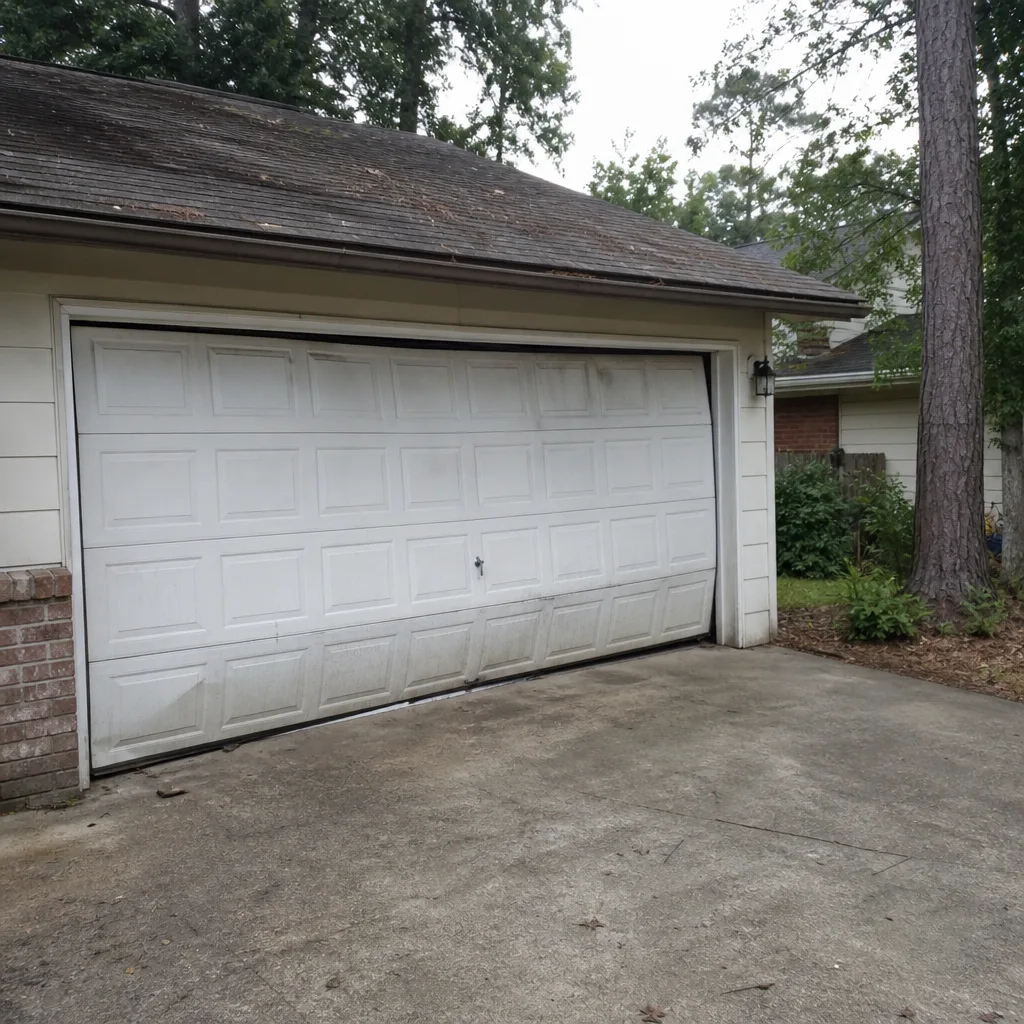 Before
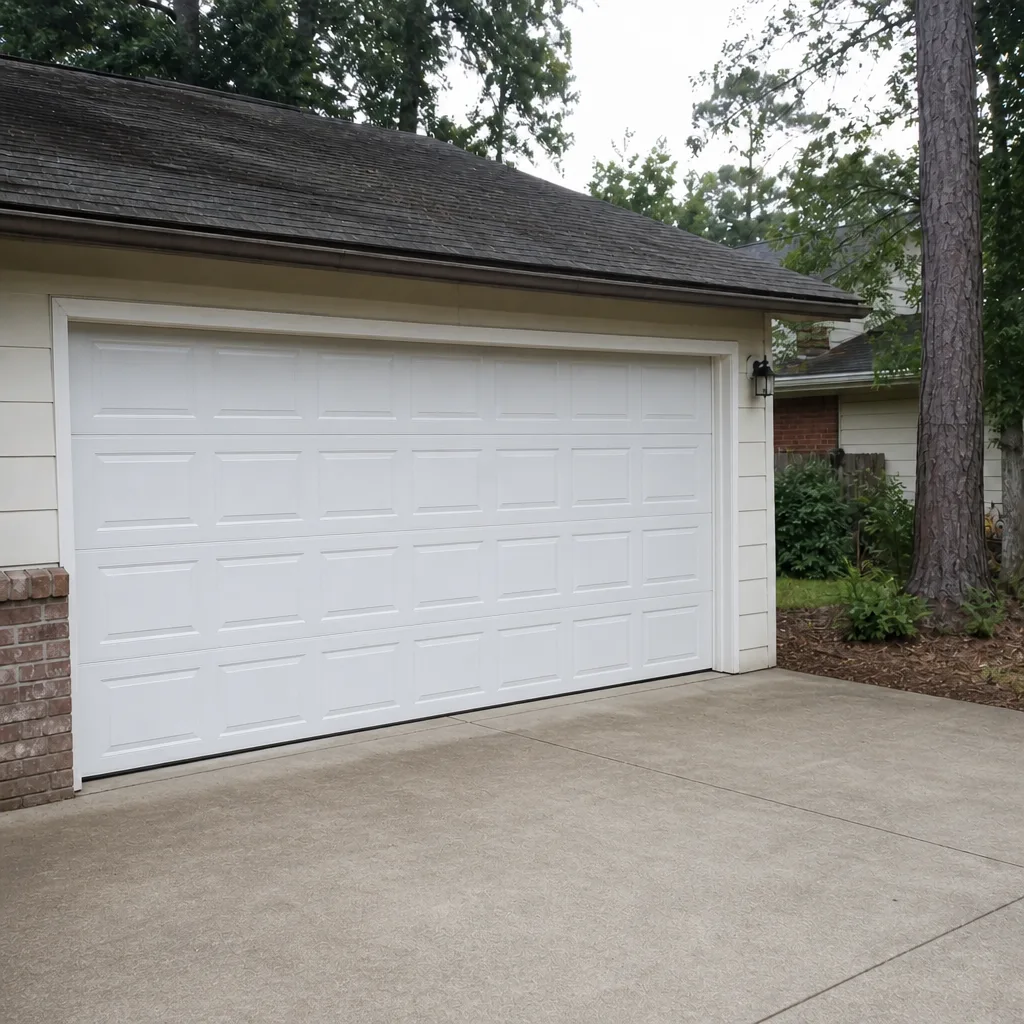 After
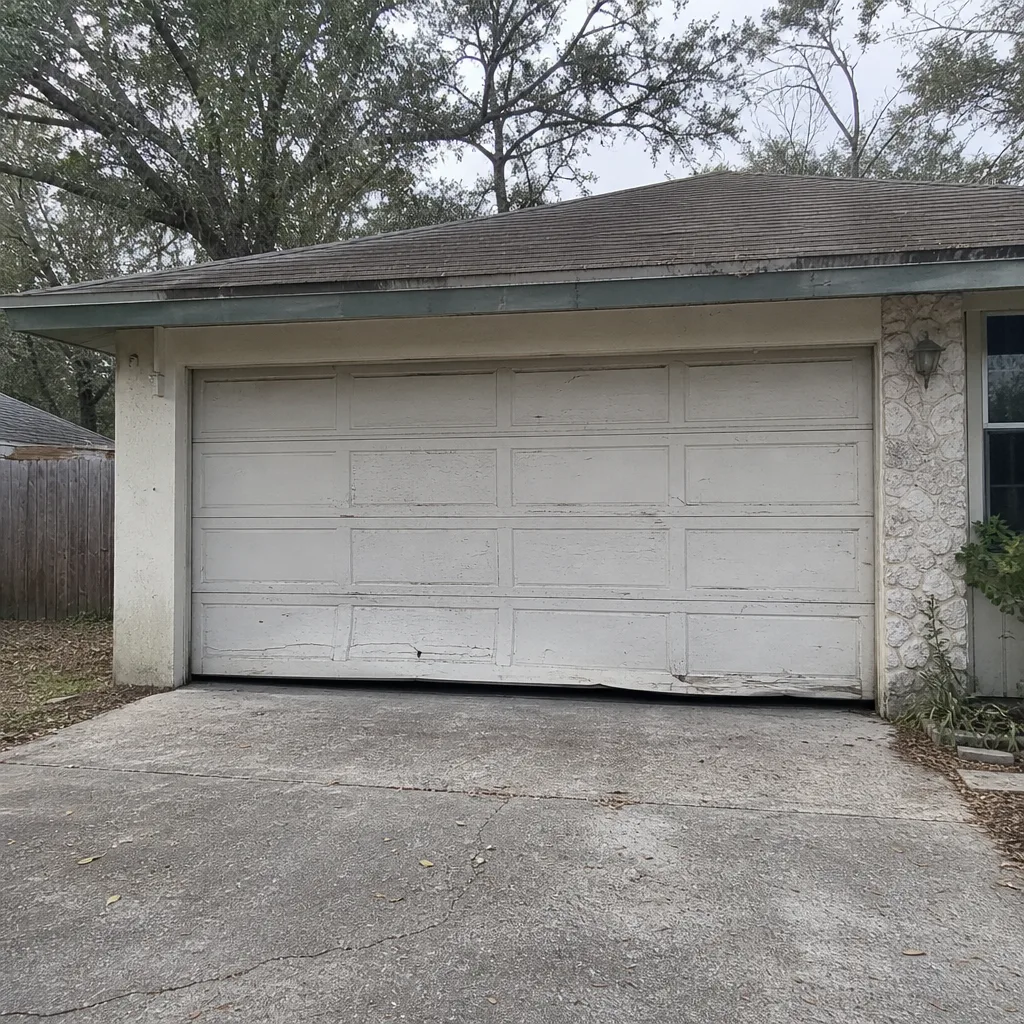 Before
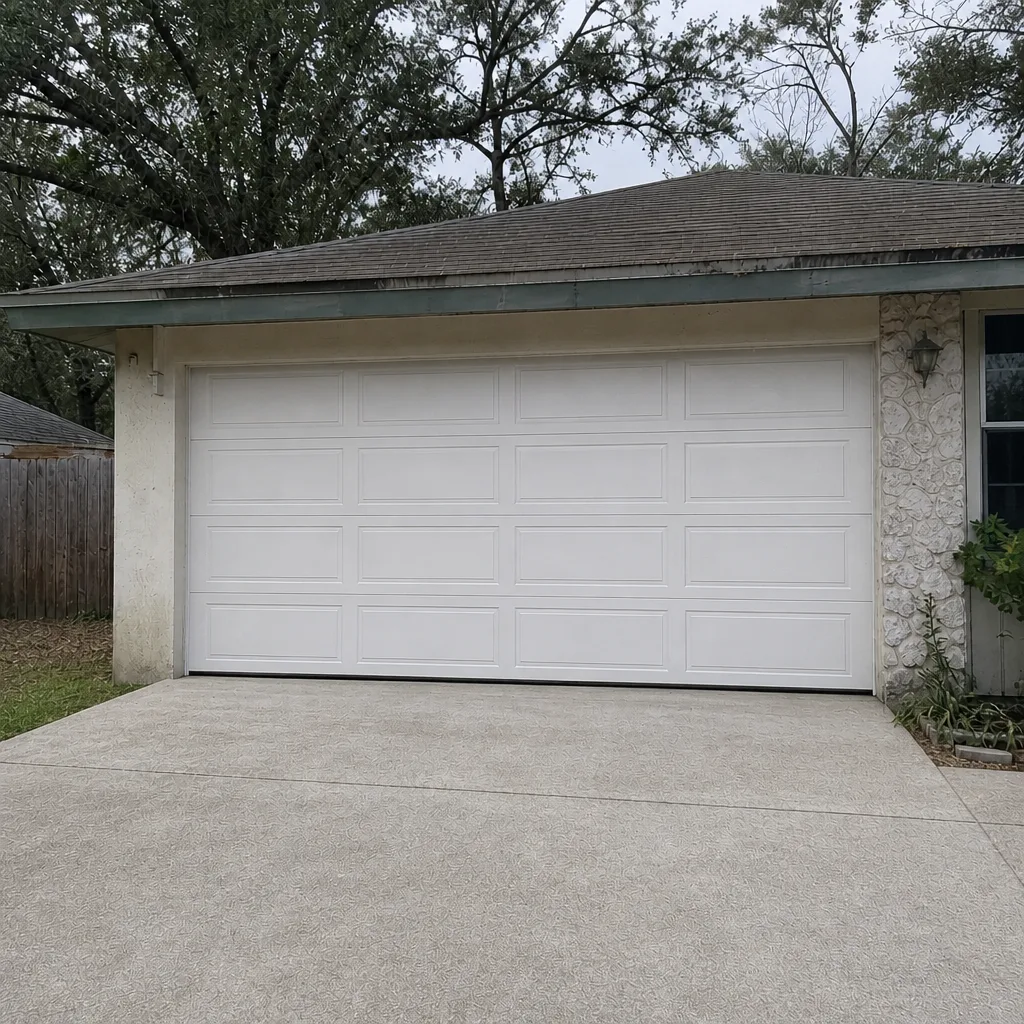 After
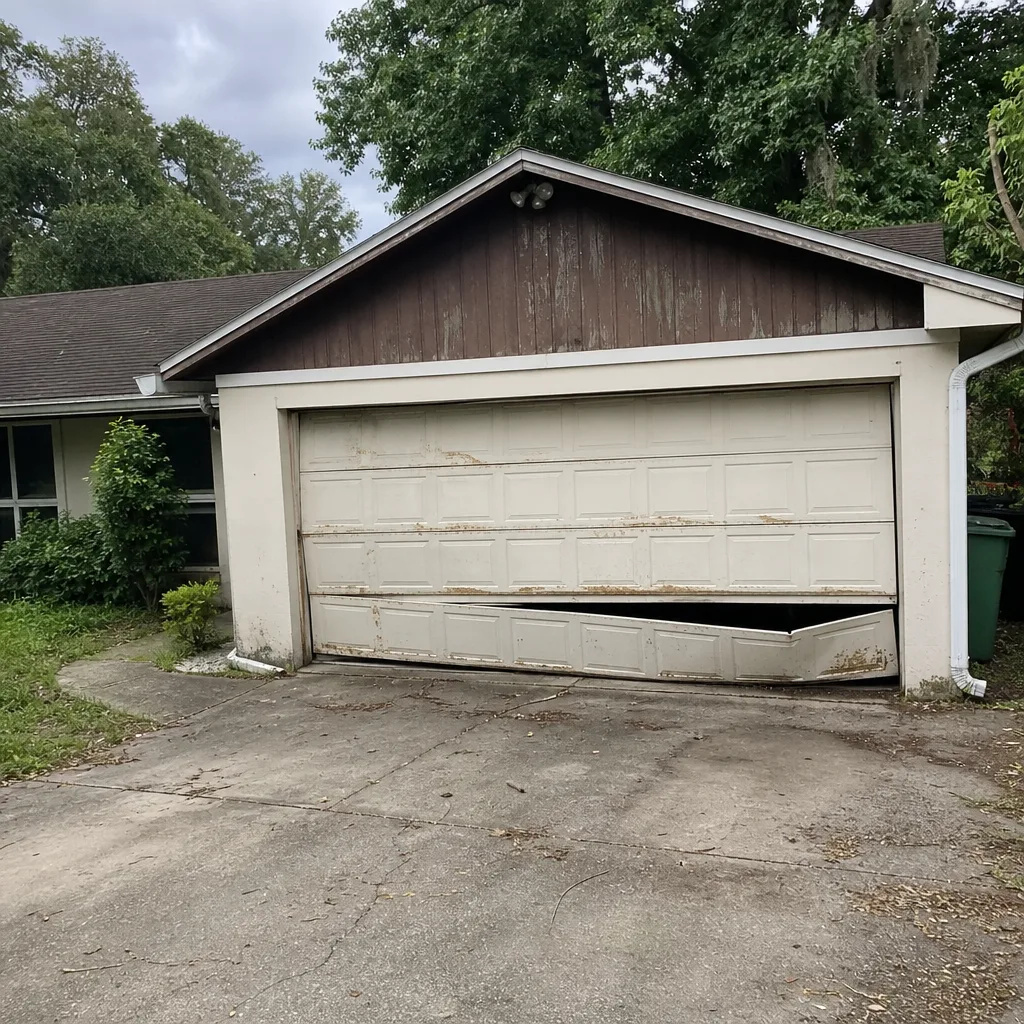 Before
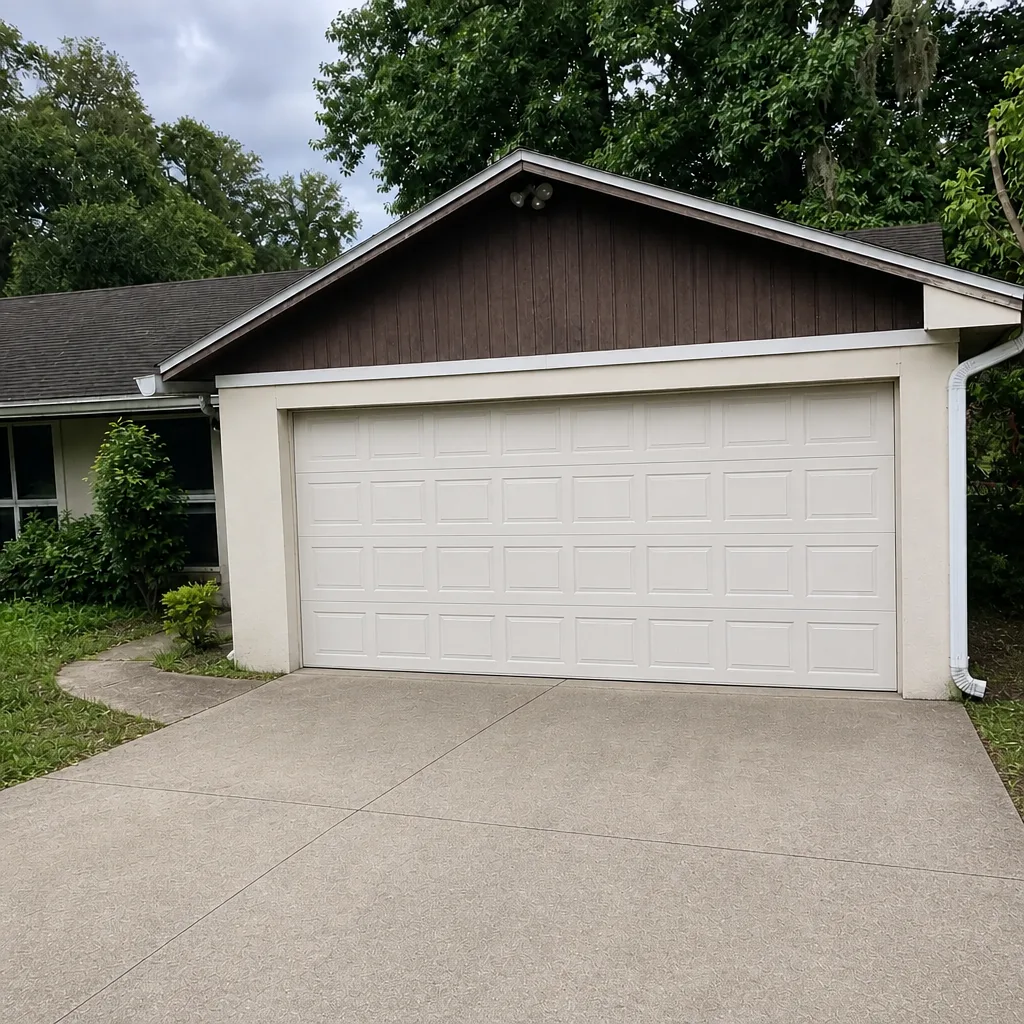 After
When to Call a Professional
Some problems can wait for a scheduled visit, and some need a phone call the same day. Call a specialist right away for: a broken spring, a cable that’s snapped or is sagging on one side, a door that’s come off its tracks, a door that’s stuck open and can’t be secured, an opener that runs but won’t lift the door, or any damage to the header or wall above the door. Those are the situations where a wrong move can make a small repair much more expensive, and a few of them are genuinely dangerous to handle yourself.
For a scheduled job, that same call works too. A noisy door, a slow opener, a worn weather seal, or a door that needs replacing all get the same treatment: a proper inspection, a written estimate, and a repair or install on a timeline that fits you. Holloway Garage Door Repair offers free estimates in Gainesville – call (866) 389-5046. We answer 24/7, with fast dispatch from 7am to 7pm, Sunday through Friday. The price is quoted and agreed before any work starts.
Frequently Asked Questions
Yes, if you disengage the opener first with the manual release. Pull the release cord straight down to disengage the trolley, then lift the door by its handle. Don’t lift a door with a broken spring or a suspected cable failure; block it and call instead. Once the power comes back on, re-engage the trolley before running the opener.
An emergency repair is priced per job by a written estimate, and the price is quoted and agreed before any work starts. The final number depends on the failure: a spring replacement, a cable, a track realignment, or an opener repair all price differently. The written estimate is the price, and it’s free. Call (866) 389-5046 for an exact quote.
Stop operating the door, keep everyone clear, and call a garage door specialist. If the door is stuck open or partially open, brace it from underneath with something solid, and don’t touch the springs or cables. Those parts are under heavy tension and can cause serious injury. The repair itself is straightforward once a technician is on-site.
Most storm damage is repairable. A bent track, a popped roller, a damaged hinge, or a panel that’s out of alignment can usually be fixed without replacing the whole door. Full replacement is only necessary when the panels are structurally compromised, the header is damaged, or the door has failed from age at the same time as the storm. An on-site inspection tells you which you’re facing.
Yes, and you should. A manual slide lock or locking bar holds the door against wind when the opener is disengaged. A wind-rated door is only as strong as its hardware and its lock. Engage the lock, brace the door inside, and disconnect the opener before you evacuate.
Yes. We work on the brand already in your garage. That’s the point of the specialist approach: LiftMaster, Chamberlain, Genie, Craftsman, Clopay, Amarr, Wayne Dalton, and Raynor are all part of the work we do, and being familiar with the model means less guesswork and fewer return trips. If you’re in Gainesville, call (866) 389-5046 and we’ll book the right visit for the job.
The Bottom Line
Garage door emergencies come in two flavors, and preparing for both is a matter of knowing the difference. Acute failures – a broken spring, a derailed door, a dead opener – are mechanical, and your job is to stop, secure the door, and call a specialist. Storm-driven failures are structural, and your job is to lock, brace, evacuate, and inspect carefully before you run the door again. The manual release, the brace, the lock, and the photo documentation are the four things worth practicing now, because the moment you need them is the moment you don’t have time to learn them. And when it’s time to call a professional, call one who works on your door, on your opener, on the brand you already own. That’s the difference between a settled problem and a second emergency. To book an inspection, a repair, or a full replacement in Gainesville, reach Holloway Garage Door Repair.
Call (866) 389-5046 for a free estimate. We answer 24/7. Fast dispatch from 7am to 7pm, Sunday through Friday. Your price is quoted and agreed before any work starts, and Holloway stands behind every repair.
Written by the team at Holloway Garage Door Repair, serving Gainesville since 2017.