
Last updated November 14, 2026
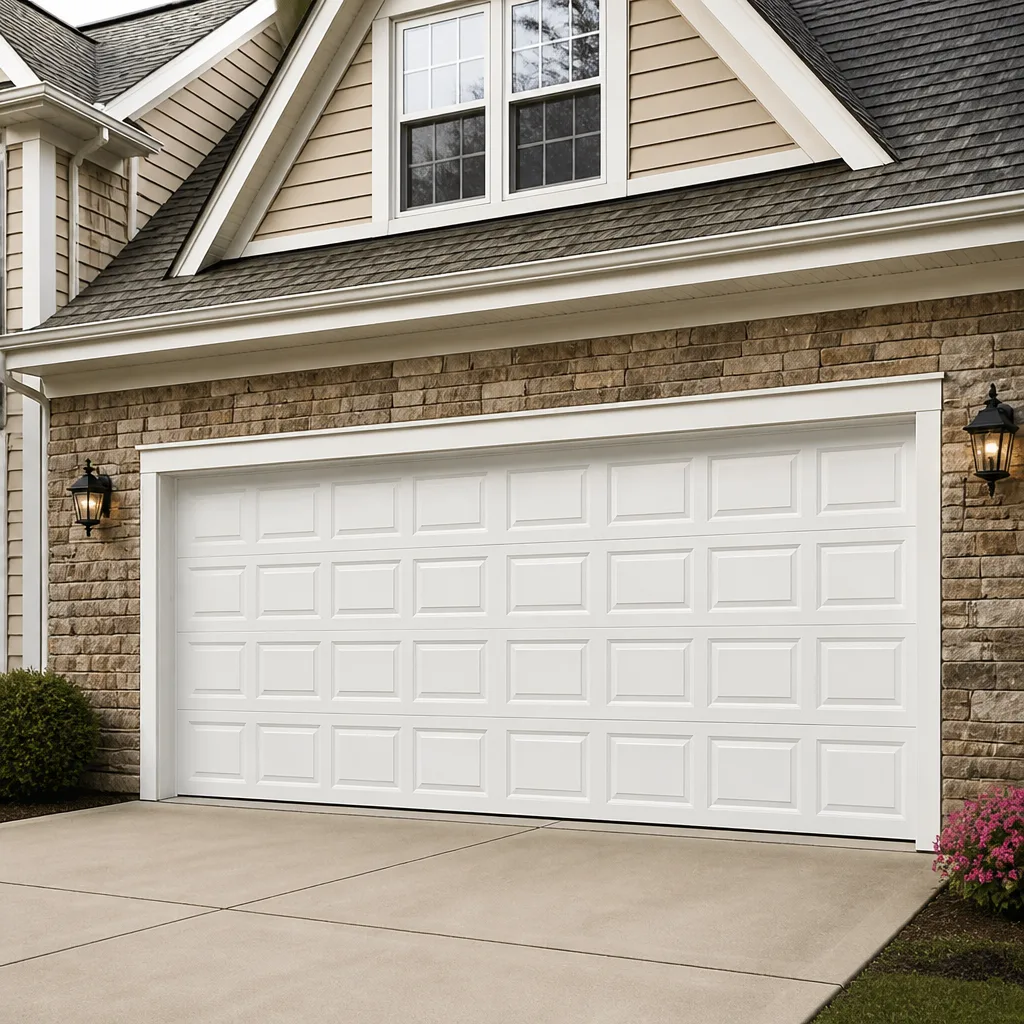 Raised-panel steel
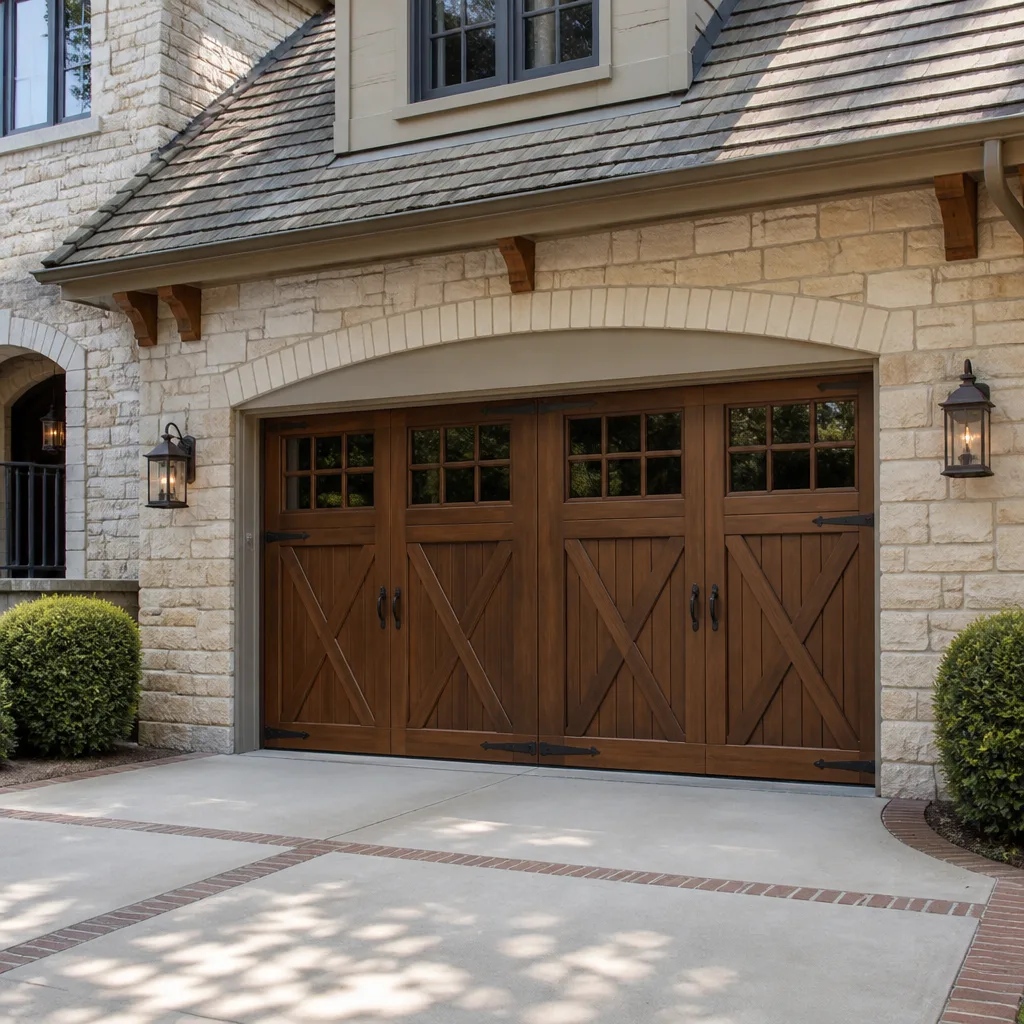 Carriage house
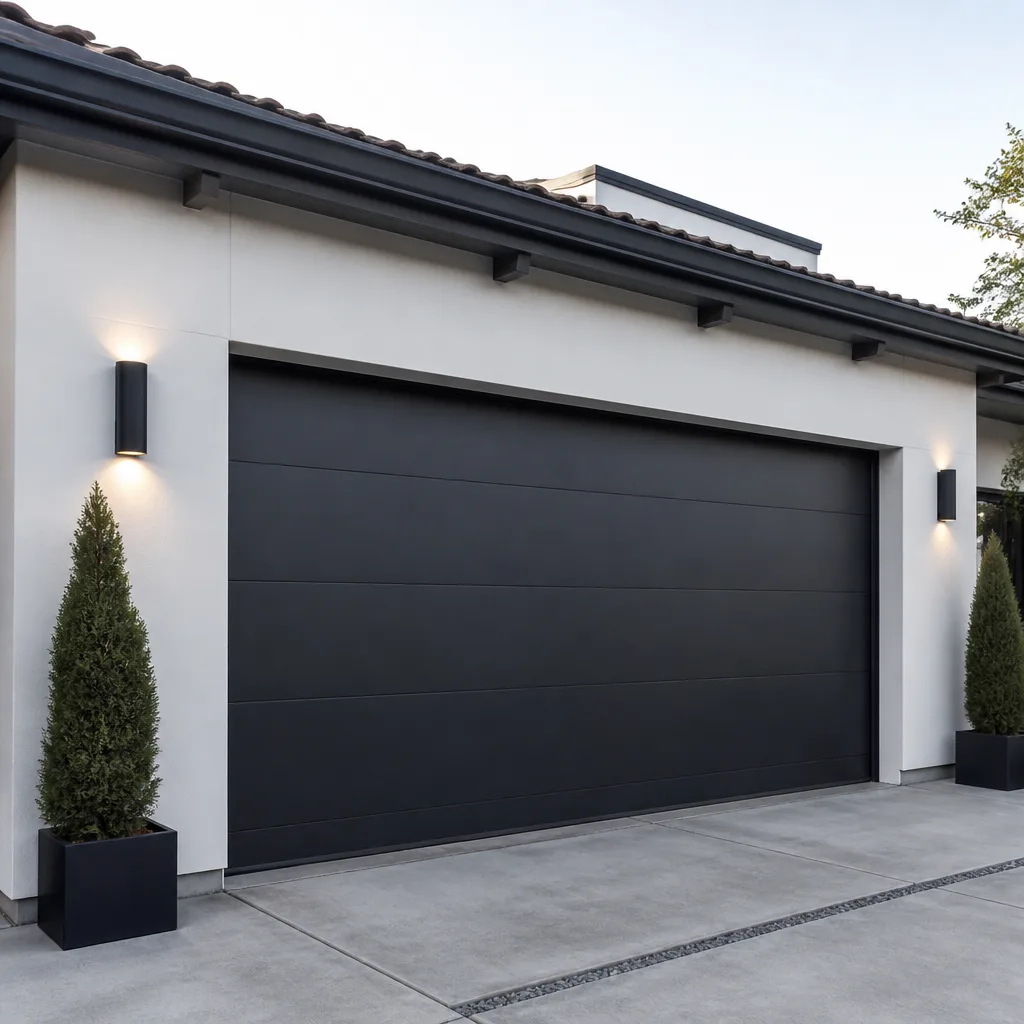 Modern flush
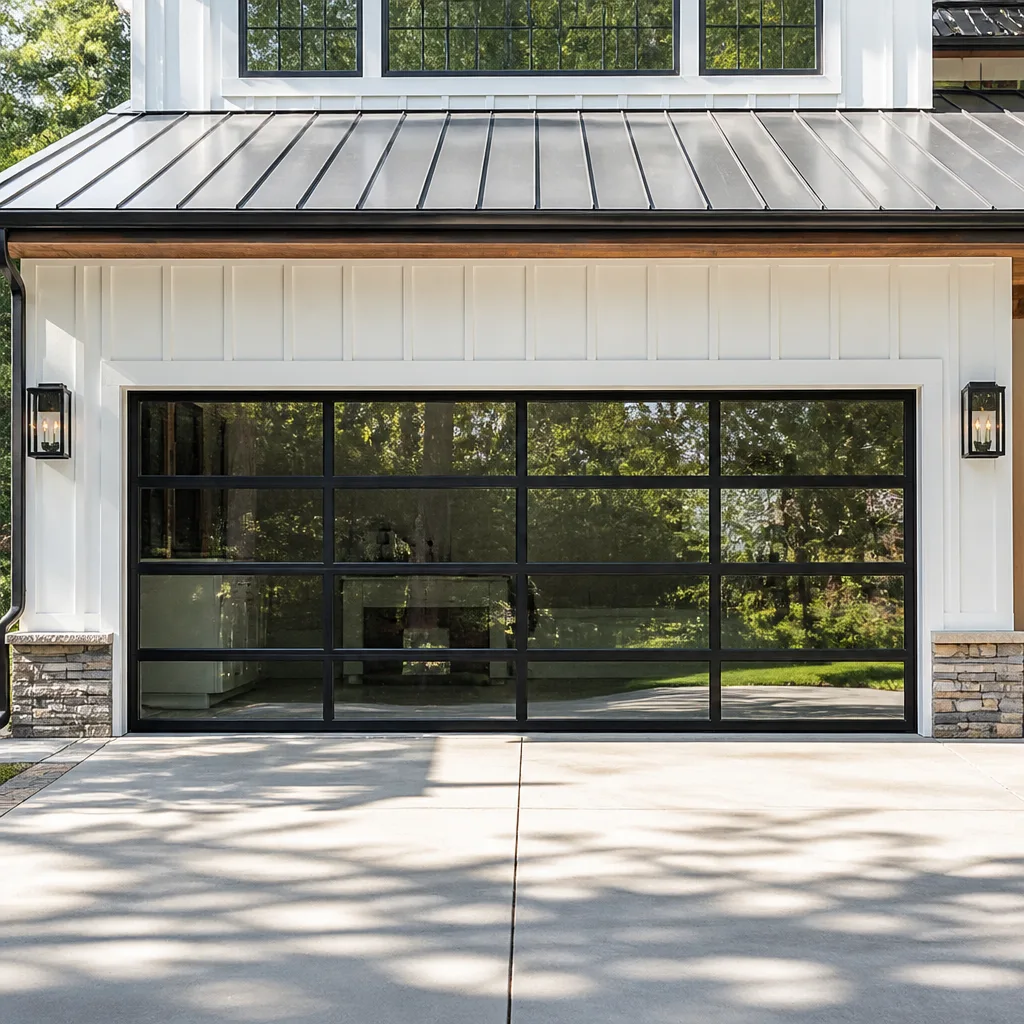 Full-view glass
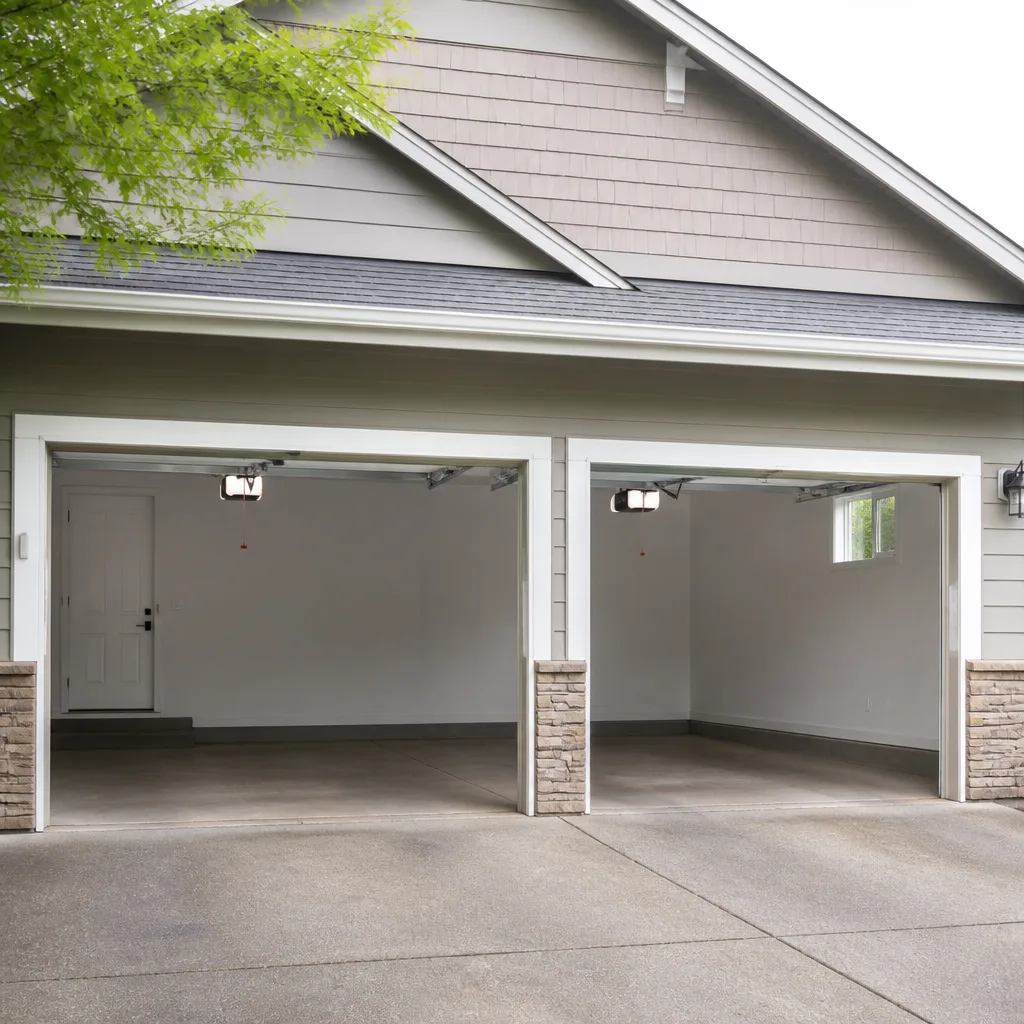 LiftMaster openers
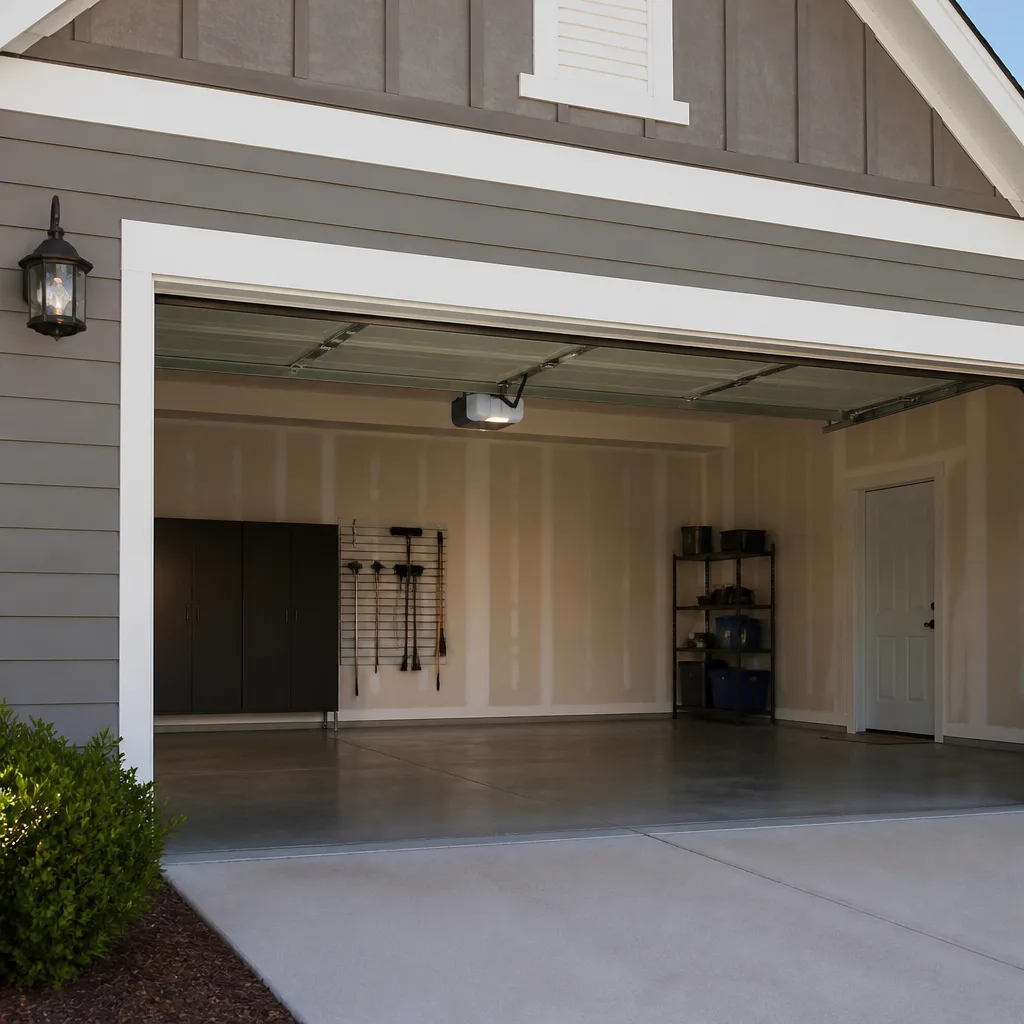 Chamberlain openers
Full 25-point door and opener safety check with every visit - springs, cables, rollers, tracks, and your LiftMaster or Chamberlain opener included
You get a price before we start. It does not change when the truck arrives.
Get your free estimateYour Garage Door Is Working Harder Than You Think in Gainesville
Most Gainesville homeowners uncover the truth about their garage door only after something fails. A panel bows out along a seam. A torsion spring lets go on an afternoon when the heat index has been stuck above 100 for a week. An adjuster walks the driveway with a clipboard after a named storm and starts asking about wind-load ratings nobody mentioned when the door was installed. Here’s the counterintuitive part: the door that came with your house was very likely chosen by a builder for cost, not for the humidity, the storm season, or the sand on your driveway. This guide covers how Gainesville’s climate, housing stock, and county wind rules shape every choice you’ll make about your door, from a snapped spring to a full replacement.
Quick Answer
A garage door in Gainesville is a system, not a single purchase: panels, springs, tracks, weatherstripping, and the opener all wear at different rates under subtropical humidity, summer heat, and hurricane-season wind loads. Choosing a door here means weighing steel against wood against composite, confirming the wind-load requirements for Alachua County before you fall in love with a style, and matching any new opener to the door and the home’s wiring. Get those three things right and the door lasts. Get them wrong and you’ll be calling someone within a few years.
Styles & brands we work with
- Raised-panel steel
- Carriage house
- Modern flush
- Full-view glass
- LiftMaster openers
- Chamberlain openers
Table of Contents
- What Door Material Actually Holds Up in Gainesville?
- Florida Wind Load Requirements and Alachua County
- What Gainesville’s Older Housing Stock Means for Your Door
- Sandy Driveways, Pine Pollen, and Afternoon Storms
- Why Your Door Is a System, Not a Single Part
- Choosing and Maintaining an Opener in This Climate
- A Maintenance Routine That Fits a Florida Year
- Repair or Replace? How to Decide
What Door Material Actually Holds Up in Gainesville?
Over a five to ten year window, steel, wood, and composite doors age very differently in Gainesville’s climate, and the differences show up in places you’d never notice on a showroom floor. Subtropical humidity is the constant here: it doesn’t leave in October. It sits in the air, works its way into seams, and stays there. Combine that with the temperature swing a closed garage sees between a cool winter morning and an August afternoon, and every material is being asked to expand and contract more than the same door would in a drier part of the country.
Steel handles the humidity best of the three, provided the finish stays intact. The failure point is a scratch or a ding near the bottom of the door, where lawn equipment and sandy shoes meet it most. Once the paint film breaks, moisture gets to the steel underneath, and a small rust spot becomes a bubbling patch along the bottom rail. Steel is also the easiest to insulate and the most common choice in this market for a reason.
Wood is beautiful and it’s also the most demanding surface in this climate. Wood moves with humidity. Paint or stain is the only thing standing between the door and moisture intrusion, and it needs refreshing more often here than a manufacturer’s label suggests. A wood door that goes a season or two without attention will show it in the joints first.
Composite doors aim for the look of wood without the upkeep, and they hold up well against moisture. They’re usually the most expensive route, so it’s worth checking how the door is constructed at the edges and the bottom rail, the two places heavy rain and splash-back hit hardest.
- Steel: best humidity tolerance, watch the bottom rail and any paint chips, easiest to repair.
- Wood: best look, highest upkeep, finish is the whole game in this climate.
- Composite: good moisture resistance, higher cost, check edge and bottom construction.
Whichever you choose, the finish is the story. In our experience, doors that fail early in Gainesville almost always failed at the finish first, then at the material underneath.
Florida Wind Load Requirements and Alucahua County
Wind-load requirements are the constraint most homeowners don’t think about until it’s too late to matter. In Florida, garage doors are among the most vulnerable openings on a house during a hurricane, and the state’s building code treats them accordingly. Before you pick a style, you have to know what your home is required to have, because that requirement narrows your choices before aesthetics ever enter the conversation.
The specific wind-load design requirement for a given home depends on its location and other factors, and it’s set at the local level. We don’t quote code numbers here, and you shouldn’t accept a code number from anyone who hasn’t checked your address. The right move is a call to the City of Gainesville’s building department or Alachua County’s building department with your address in hand. They can tell you what applies to your home and what a replacement door needs to meet.
- Call the local building department with your address and ask what wind-load requirement applies to your garage door.
- Ask what documentation they’ll want to see for a replacement door.
- Take those requirements to whoever is quoting the door, and get the rating in writing before ordering.
- Confirm the tracks and reinforcement match the door’s rating, not just the panels.
This is the single biggest difference between a national door-buying guide and the reality of buying one in Gainesville. The door has to meet a standard before it’s a door you can install. A quote that skips this step is a quote that will cost you more later, when the inspect comes back with a problem.
What Gainesville’s Older Housing Stock Means for Your Door
A large share of Gainesville’s homes were built between the 1970s and the 1990s, and that matters more than most people realize when they’re shopping for a new door or opener. Homes from this era were not built with today’s opener electronics or today’s door weights in mind. Before you choose an opener or a door, you need to know three things about your actual garage: how much header clearance there is above the opening, how the opener is wired (or whether it is), and what kind of spring system the original door used.
Header clearance is the space between the top of the door opening and the ceiling, and it decides whether a standard opener fits or whether you need a low-clearance setup. It’s also the number that determines how much a new door can be built up with insulation and reinforcement without touching the ceiling.
Opener compatibility runs deeper than brand. An older home may have a single outlet where the opener plugs in, wiring for a wall button that predates modern safety sensors, or a rail length that doesn’t match today’s machines. A new opener from LiftMaster or Genie is a good machine, but it still has to match what’s already in your garage. That’s why we work on the brand you already have before recommending a swap.
Spring systems from older homes are often torsion setups original to the house, and the springs are now well past their expected life. A door that feels heavy or comes down faster than it should is telling you the springs have given up.
None of this is a reason to panic. It’s a reason to know what you have before you spend. An older Gainesville garage isn’t a problem. It’s just a garage that needs the right eyes on it before anyone orders parts.
Sandy Driveways, Pine Pollen, and Afternoon Storms
Gainesville’s local conditions accelerate specific failure points, and once you know which ones, you can stay ahead of them. Sandy driveways are the quiet one. Sand kicked up by tires and wind settles into tracks and bottom seals, and over a year it acts like sandpaper on rollers and grinds away at the seal at the bottom of the door. Tracks that aren’t cleaned and checked start to corrode at the point where sand and moisture collect, usually the bottom section.
Pine pollen is the seasonal one. Every spring, a fine yellow film coats everything outdoors, and garage doors are no exception. Pollen works into the seams at the bottom rail and gets pushed into the tracks with the door’s movement. Left alone, it turns into a gritty paste that’s harder on rollers than sand alone.
Afternoon thunderstorms are the one most people feel first. Summer in Gainesville means a lot of heavy rain, and the weatherstripping at the bottom and sides of the door is what’s standing between that rain and your garage floor. A worn bottom seal lets water in at the corners, which is where you’ll notice it first. Wind-driven rain during these storms also puts pressure on the door’s edges, which is another reason the seals matter.
In our experience, these three combined turn the bottom seal and the tracks into the highest-wear components on a Gainesville door. Check the seal once a season by running your hand along the bottom edge with the door closed: if it’s hard, cracked, or leaving gaps at the corners, it’s time. Clean the tracks with a rag and a non-oily cleaner, and take a good look at the rollers while you’re there.
Why Your Door Is a System, Not a Single Part
The door, the springs, the tracks, the weatherstripping, and the opener are one system, and a change to one part moves the load on the others. A heavier door strains the springs and the opener. Weak springs make the opener work harder. Worn rollers put sideways pressure on the tracks. Bad seals let in the moisture that corrodes everything. When you replace one piece without thinking about the rest, you’re not fixing the system. You’re moving the problem a foot to the left.
This is the mindset that saves Gainesville homeowners money over time. Before you buy anything, answer these questions about your actual door:
- How heavy is the door, and are the springs rated for that weight?
- What condition are the rollers and hinges in?
- Are the tracks straight, clean, and free of rust?
- Do the bottom and side seals close tight against the floor and frame?
- Does the opener have the lift capacity for the door, and is it operating the door smoothly?
- What wiring and clearance does the garage have for any new opener?
When you treat the parts as a system, an upgrade is a judgment made with your actual garage in front of you. A new door with old springs is a call waiting to happen. New springs on a door with failing rollers are the same. New weatherstripping is the cheapest part of the system and the one that pays off quickest in this climate, because it’s doing the daily work of keeping the weather out.
We work on garage door repair with that system view: what’s actually failing, what’s about to fail, and what to leave alone. That’s a different conversation than “what do you want to sell me.”
Choosing and Maintaining an Opener in This Climate
The opener is the part of the system that’s most affected by heat and electricity, and it’s the part homeowners reach for first when the door gets balky. A garage in Gainesville summer is a hot, humid box, and the electronics and the drive mechanisms inside a modern opener have to live in it. That’s the full ecosystem we work on: the drive, the safety sensors, the wall controls, and the smart-home connection, not just the machine bolted to the ceiling.
When it’s time to replace an opener, the decision is less about brand than about fit. A drive that suits a lightweight steel door may be the wrong machine for a heavy wood door. An opener needs the right lift capacity for the door’s weight, and it needs to fit the clearance your garage has. It also needs to match the wiring you have. We work with LiftMaster, Chamberlain, Genie, Craftsman, and the other major names installed in this market, and the goal is matching the opener to the door and the home rather than starting from scratch.
Maintenance on an opener in this climate is mostly about the moving parts and the sensors:
- Check the safety sensors at the bottom of the tracks each season; clean any pollen or debris blocking the lens.
- Test the door’s balance by disconnecting the opener and lifting the door by hand; a well-balanced door stays where you put it.
- Listen for new noises. Grinding and squealing are the opener’s way of asking for a look.
- Do not reach into the opener housing or the door’s moving parts yourself; the springs and cables store serious energy and a mistaken move can hurt you.
If the door still works and the opener is the problem, garage door opener repair is usually the sensible first step, not a whole new machine. In our experience, a lot of “dead” openers are a sensor, a wall control, or a broken gear inside the drive, and the machine is worth fixing.
A note on safety: the springs and cables that lift your door are under high tension, and the opener itself is wired to household electricity. Both are genuinely dangerous to handle without training and the right tools. Leave those to a professional. A door that’s heavier than it was, or that won’t stay up, is a door that needs someone qualified to look at it before you use it again.
A Maintenance Routine That Fits a Florida Year
Garage door maintenance in Gainesville follows the seasons more than the calendar, and a routine that respects that keeps you out of an emergency call. Here’s how we’d think about it across a typical year.
Spring, after the pine pollen peak: clean the tracks with a rag and a non-oily cleaner, wipe down the bottom seal, and check the rollers. Get the pollen off the door’s seams and out of the tracks before it turns into grit under the rollers.
Early summer, before storm season: check the weatherstripping along the bottom and sides, and look for any water stains at the corners of the garage floor. Run a hand along the bottom seal. If it’s cracked or leaving gaps, this is the season to replace it. This is also the point in the year to look at the door’s hardware and around the opening, well before the first named storm.
Mid-summer: listen to the door. Heat is the biggest strain on springs and openers, and the door will tell you when something is off. Test the balance by hand with the opener disconnected. Check that the safety sensors are clean and functioning.
Fall, after the storms: walk your tracks and check for rust and debris from wind-blown sand and grit. Test the door’s balance again, and put new lubricant on the rollers and hinges.
Winter: the mild season is the better time to handle anything planned. If you’re considering a replacement, a fresh measure and a written estimate this time of year means a new door is sorted before the summer heat.
A garage door system that’s maintained on this kind of schedule is far less likely to interrupt your week. The cost of a new bottom seal and an afternoon of cleaning is far below the cost of an emergency call and a repair that could have been avoided.
Repair or Replace? How to Decide
Whether to repair or replace depends on the door’s age, the material it’s made of, the parts failing, and the wind-load requirement on your home. A steel door with a broken spring and a healthy finish is a repair. A wood door from the 1970s with soft spots in the joints and a finish that’s been gone for a few years is usually a replacement, even if it still opens.
Here’s a way to think through it:
- Repair when the problem is mechanical (spring, opener, roller, hinge, track) and the door itself is structurally sound.
- Repair when the finish is intact and the door is the right material for the climate.
- Replace when the panels are rusting through, warping, or soft at the edges.
- Replace when the door doesn’t meet the wind-load requirement your home needs.
- Replace when you’re spending on separate repairs more often than on maintenance, and those repairs don’t end.
And when it’s time to replace, don’t just replace a door. Replace the door, springs, tracks, and weatherstripping as a system, with an opener matched to the door’s weight. A new door installed on old hardware is a door that will still feel old. We install new doors from Clopay, Amarr, Wayne Dalton, and Raynor, and we size the whole system to the garage in front of us. Before any work begins, you get a free measure and a written price, agreed up front, so the estimate is the number you plan around.
Common Mistakes to Avoid
- Choosing a style before you know the wind-load requirement. Style is the last question, not the first. If your door can’t meet the requirement for your address, the style doesn’t matter, and you’ve wasted the shopping.
- Replacing only the broken part. A new spring on a door with worn rollers just spreads the wear around. Figure out the whole system first.
- Ignoring the bottom seal. This is the cheapest part of the door and the one doing the daily work of keeping summer rain and sandy runoff out. Replacing it when it starts to go is the best value in the whole system.
- Buying an opener without checking the garage’s clearance and wiring. A machine that’s the wrong size for the door or the header doesn’t do you any favors, no matter the brand.
- Letting pollen and sand stay in the tracks. Pollen and sand act like an abrasive on the rollers, and the damage is quiet until it isn’t.
- Ignoring half-inch tracking issues. A track that’s even slightly out of alignment puts sideways pressure on every part the door touches. It’s a simple fix that’s expensive to postpone.
- Going into a storm season on a door you know is struggling. A door that’s stiff or slow in May is telling you something in July. Get it looked at before the summer storms do.
See the difference
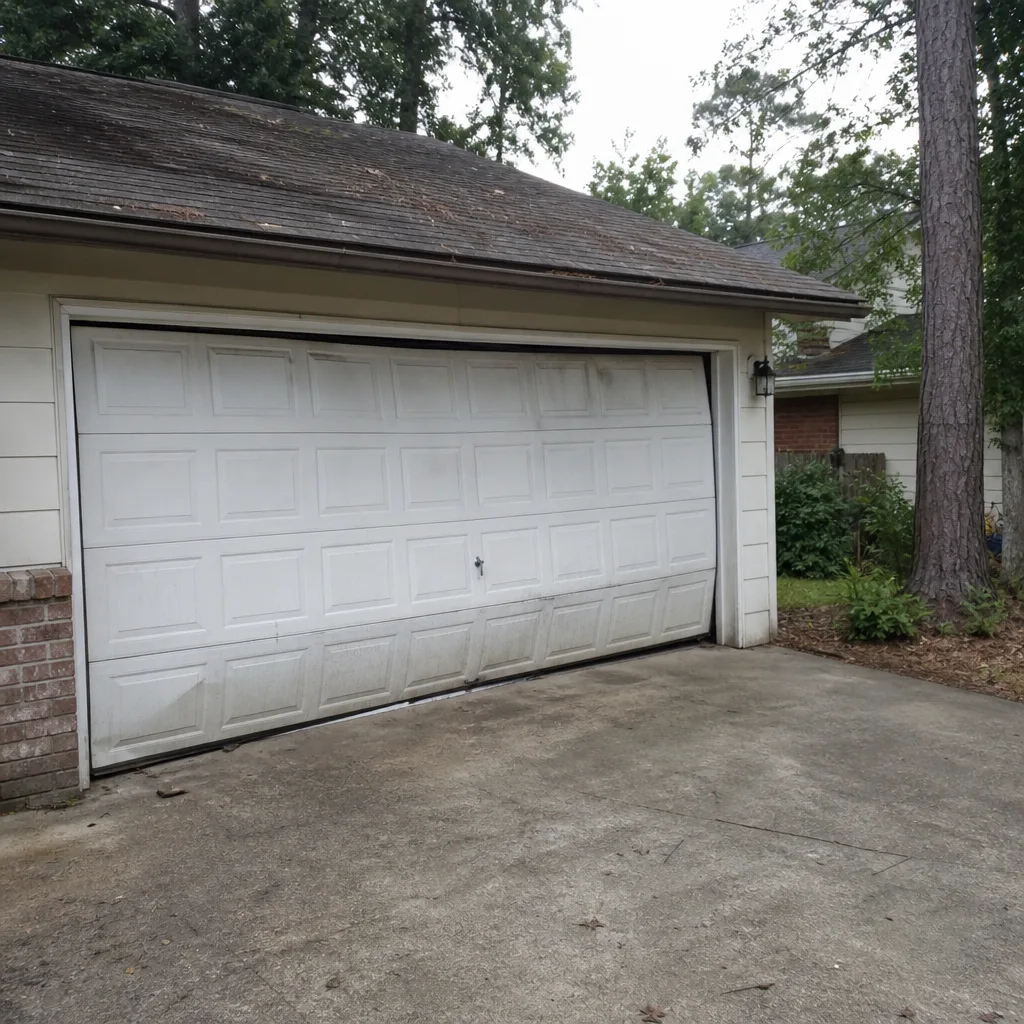 Before
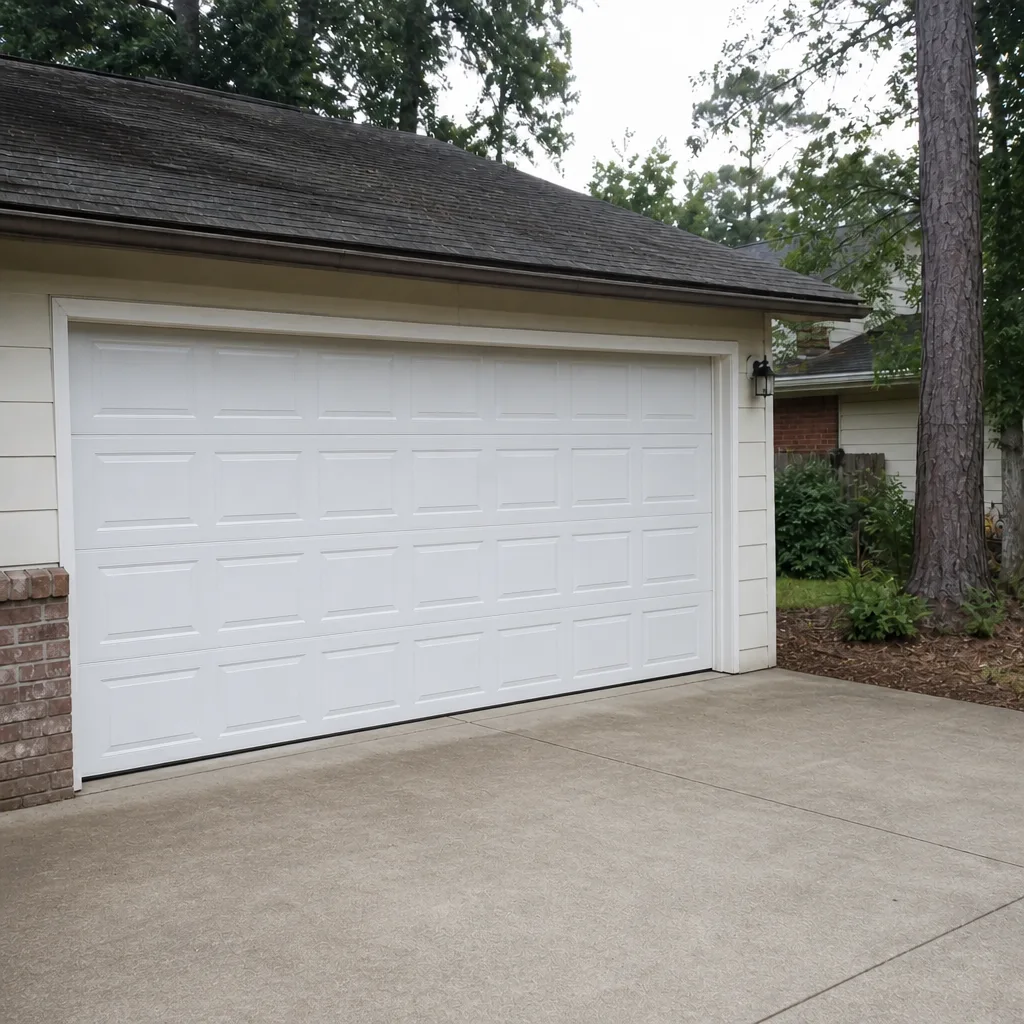 After
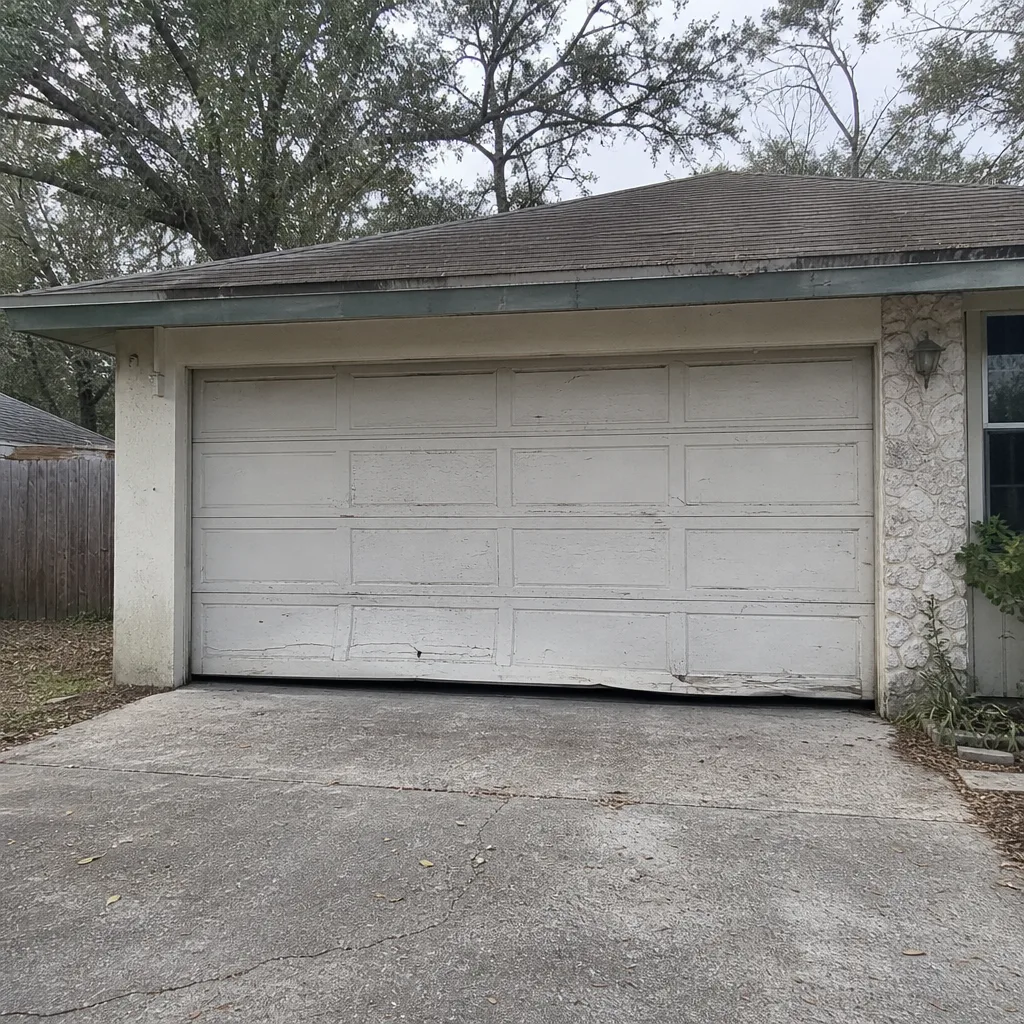 Before
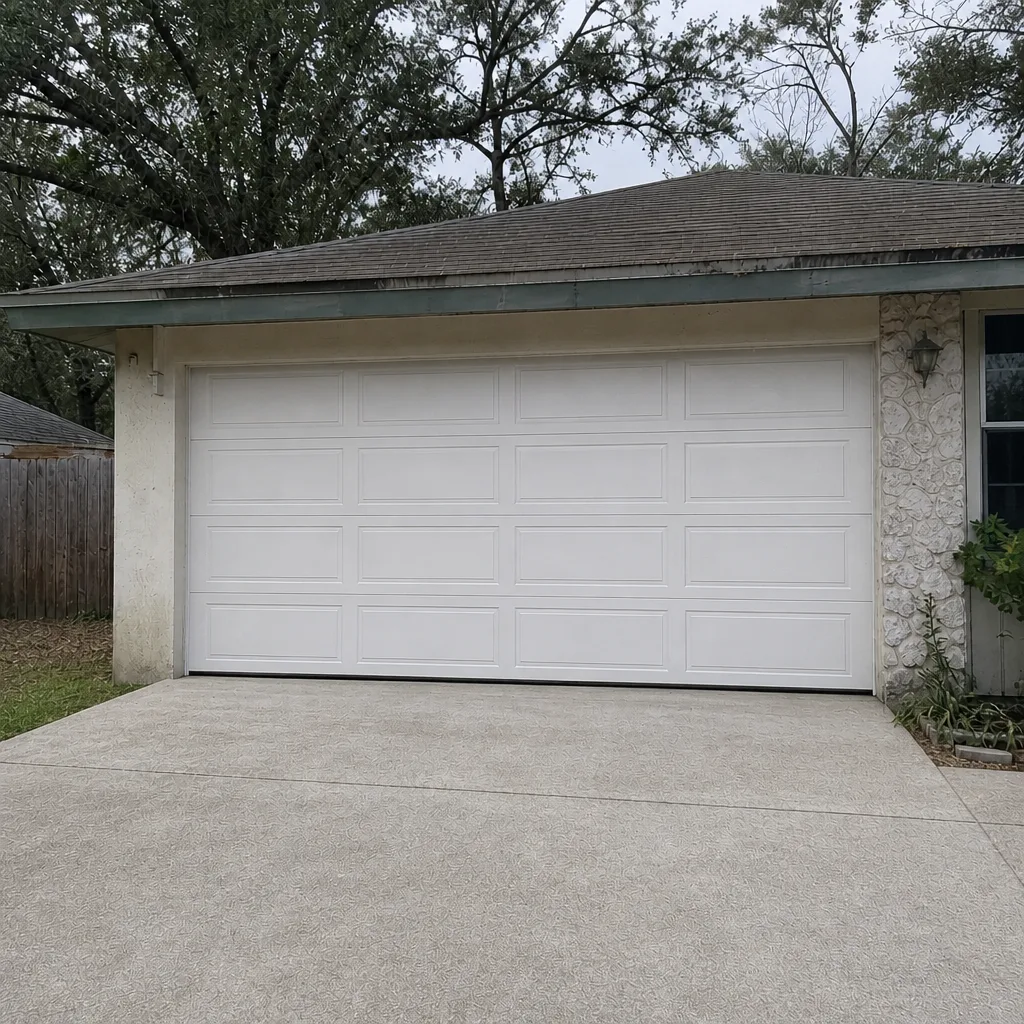 After
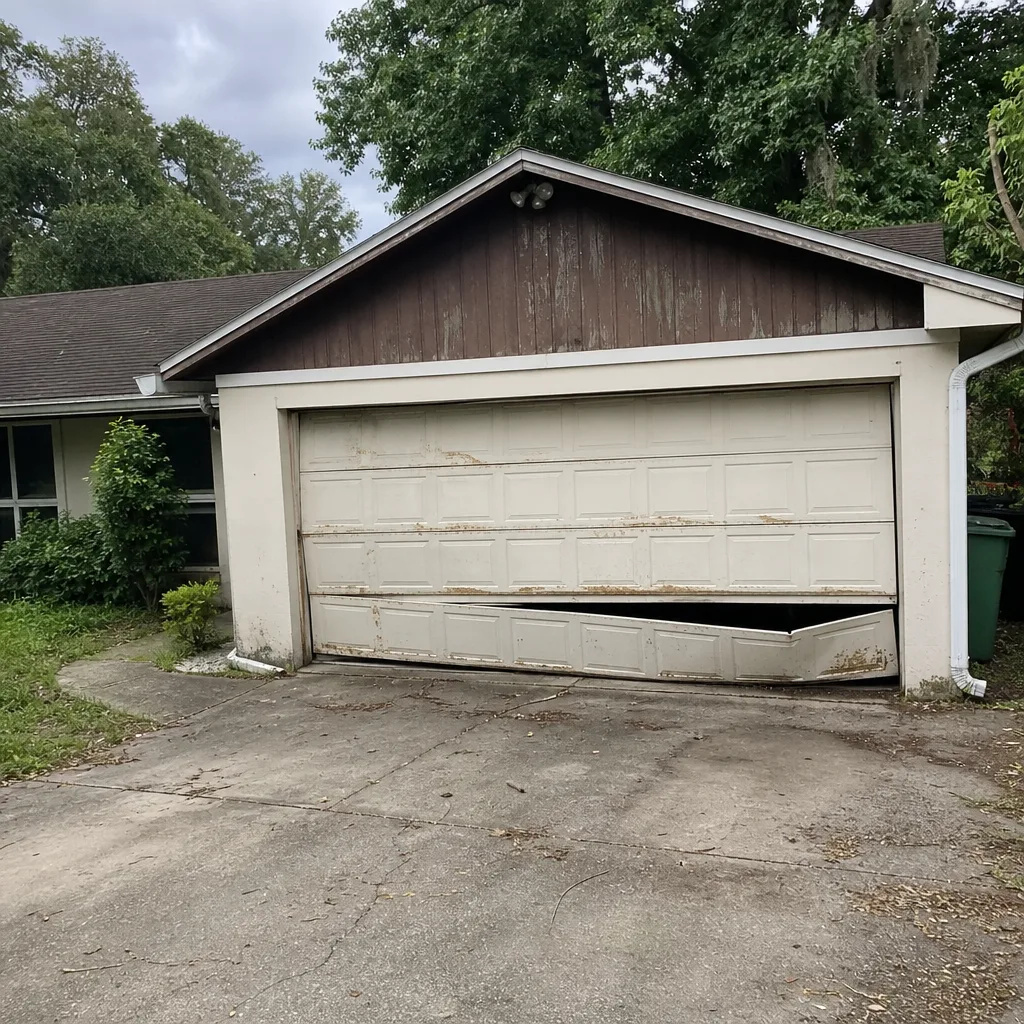 Before
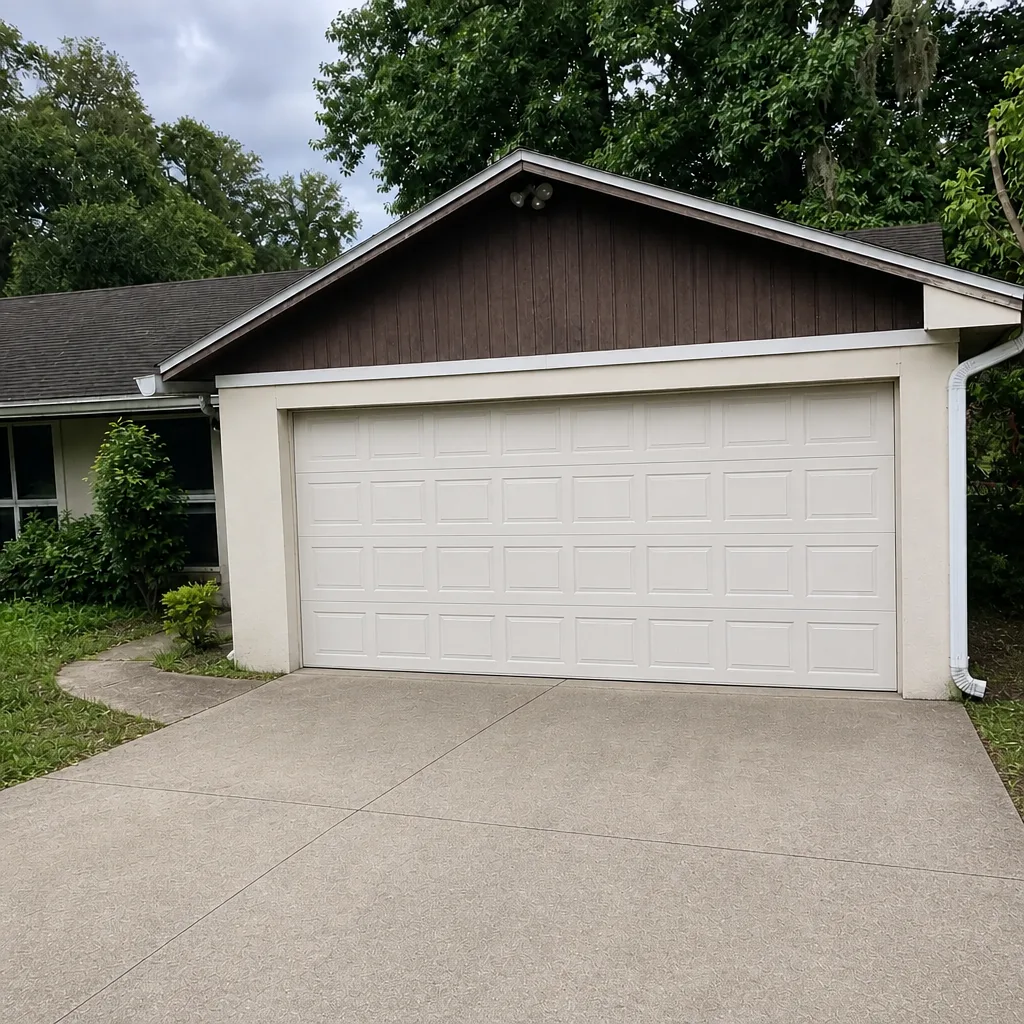 After
When to Call a Professional
Some garage door problems sit in the “fix yourself” zone and some don’t. A stuck roller, a misaligned track, a dirty sensor, a worn bottom seal: those are maintenance, and you can handle them. But when a spring breaks, when the door drops instead of holding, when the cable is slack or off the drum, or when the door won’t balance by hand, stop. These are the parts of the system with real stored energy, and getting them wrong can hurt you. The same goes for anything involving a panel that’s been damaged and may be under stress, or an opener’s internal drive. And if your home’s wind-load requirement needs confirming before a replacement, that’s a call worth making before you order the door. Holloway Garage Door Repair offers free estimates in Gainesville and will tell you what’s actually going on. Call us at (866) 389-5046. We answer 24/7. Fast dispatch from 7am to 7pm, Sunday through Friday.
Frequently Asked Questions
A door that’s noticeably heavier to lift by hand, or that comes down faster than it used to, is the first sign that the springs or the door’s balance are letting go. That usually shows up during the hotter weeks, when the door’s hardware is at peak strain. Call (866) 389-5046 for a free estimate before you keep using a door that feels wrong.
Most cities require a permit for a garage door replacement, and Alachua County is no exception to that general rule, so check with your building department before you start. Permit requirements and wind-load standards are set locally, and the building department for your address is the right source of truth. A free estimate from us includes a check on what the door needs to meet. Call (866) 389-5046.
Humidity does real damage, mostly at the finish and the bottom of the door. Moisture gets into seams and underneath the finish where it can’t evaporate, and that’s where rust, soft spots, and warping begin. Keeping the finish intact and replacing a worn bottom seal is the whole defense. Call us for a free estimate if you think the finish is already gone: (866) 389-5046.
Steel holds up best in this climate for most homes, wood demands the most upkeep, and composite offers a middle path at higher cost. The finish matters more than the material category, and the wind-load requirement on your address matters before either. Call (866) 389-5046 for a free estimate and we’ll tell you what fits your actual garage.
We dispatch crews Sunday through Friday, 7am to 7pm, and same-day repair is often possible for problems like a stuck door, a broken spring, or an opener that won’t respond. The price is set by the written estimate before any work starts, so you’ll know the number first. Call (866) 389-5046. We answer 24/7. Fast dispatch from 7am to 7pm, Sunday through Friday.
It can, and matching the opener to the door and the home’s wiring is exactly what we check first. Clearance, door weight, and wiring all decide whether a new opener fits as-is or needs a bit of adjustment. We work on the brand you already have as well as new installs from LiftMaster, Chamberlain, Genie, and Craftsman. Call (866) 389-5046 for a free estimate.
The Bottom Line
Your garage door in Gainesville is a system shaped by this place: subtropical humidity, summer heat, storm-season wind loads, sandy driveways, and houses from the 1970s through the 1990s that predate modern doors and openers. Buy a door here without confirming the wind-load requirement for your address and you’ve skipped the most important step. Ignore the bottom seal and the tracks and the system wears faster than it should. And treat repair as a chance to upgrade the whole system, not just the one part that broke. For a free estimate and straight answers about your actual garage, Holloway Garage Door Repair serves Gainesville and is ready to help. Call (866) 389-5046. We answer 24/7. Fast dispatch from 7am to 7pm, Sunday through Friday.
Written by the team at Holloway Garage Door Repair, serving Gainesville since 2017.