
Last updated November 14, 2026
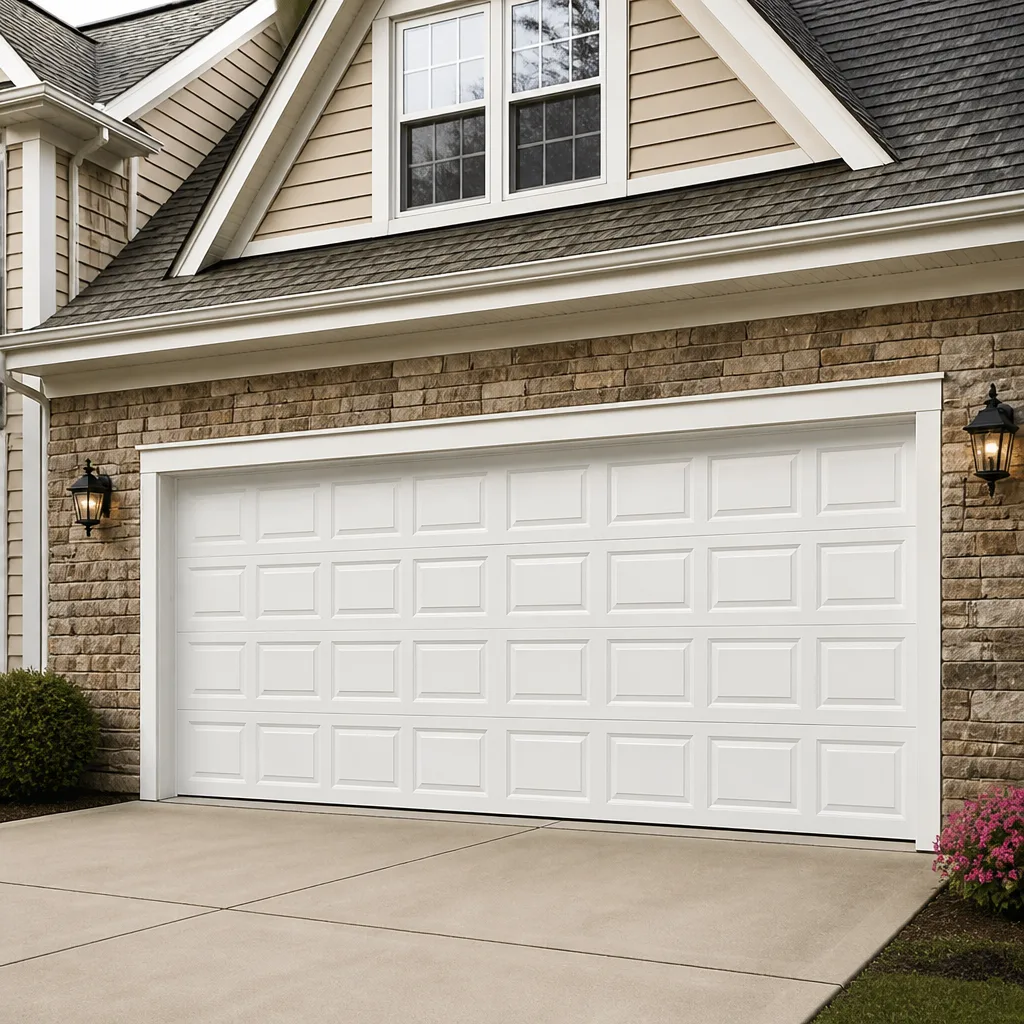 Raised-panel steel
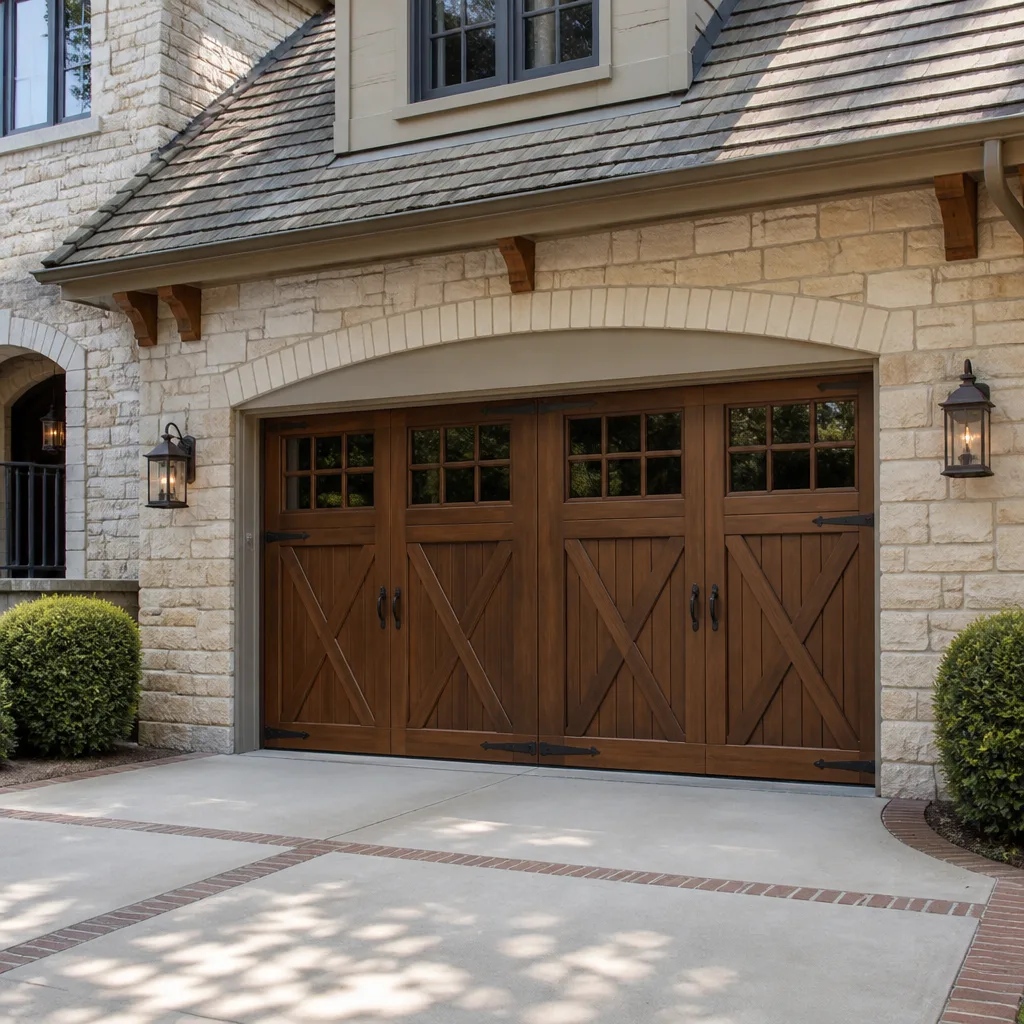 Carriage house
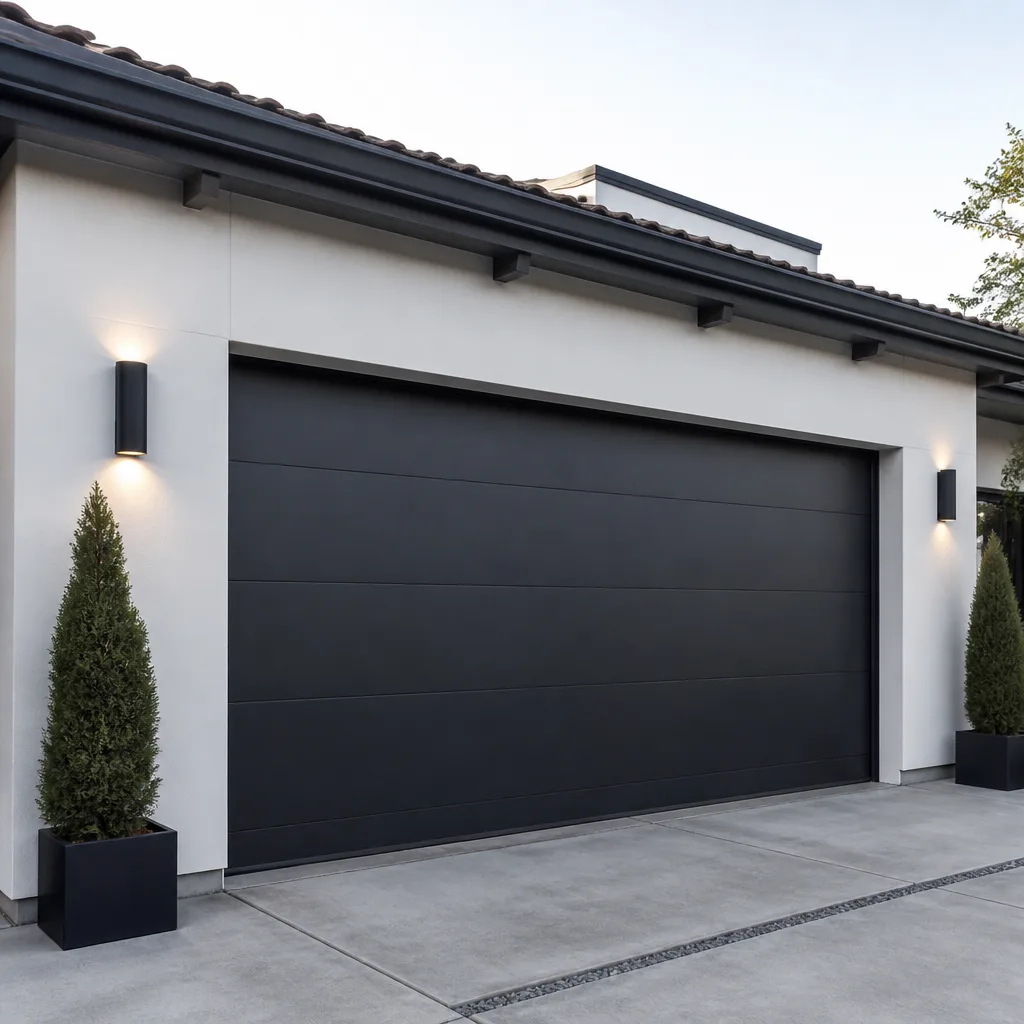 Modern flush
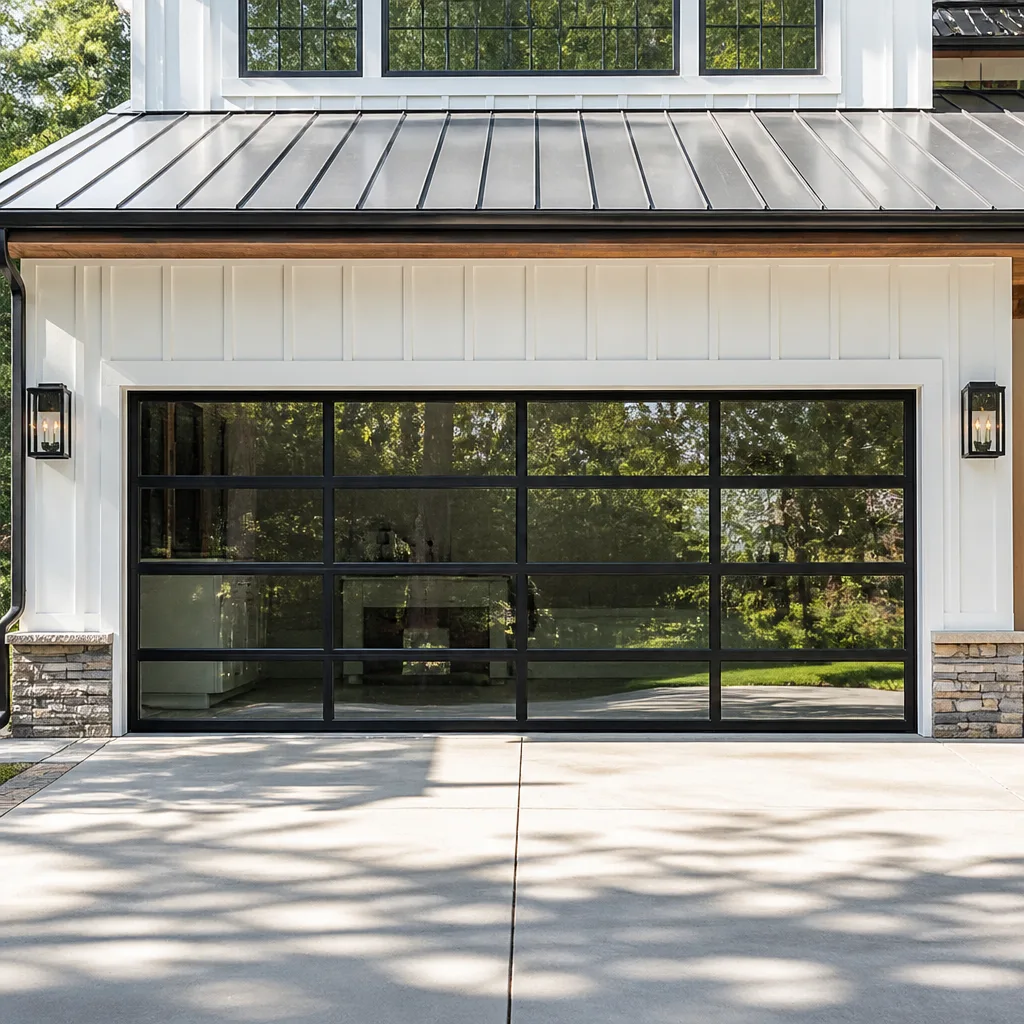 Full-view glass
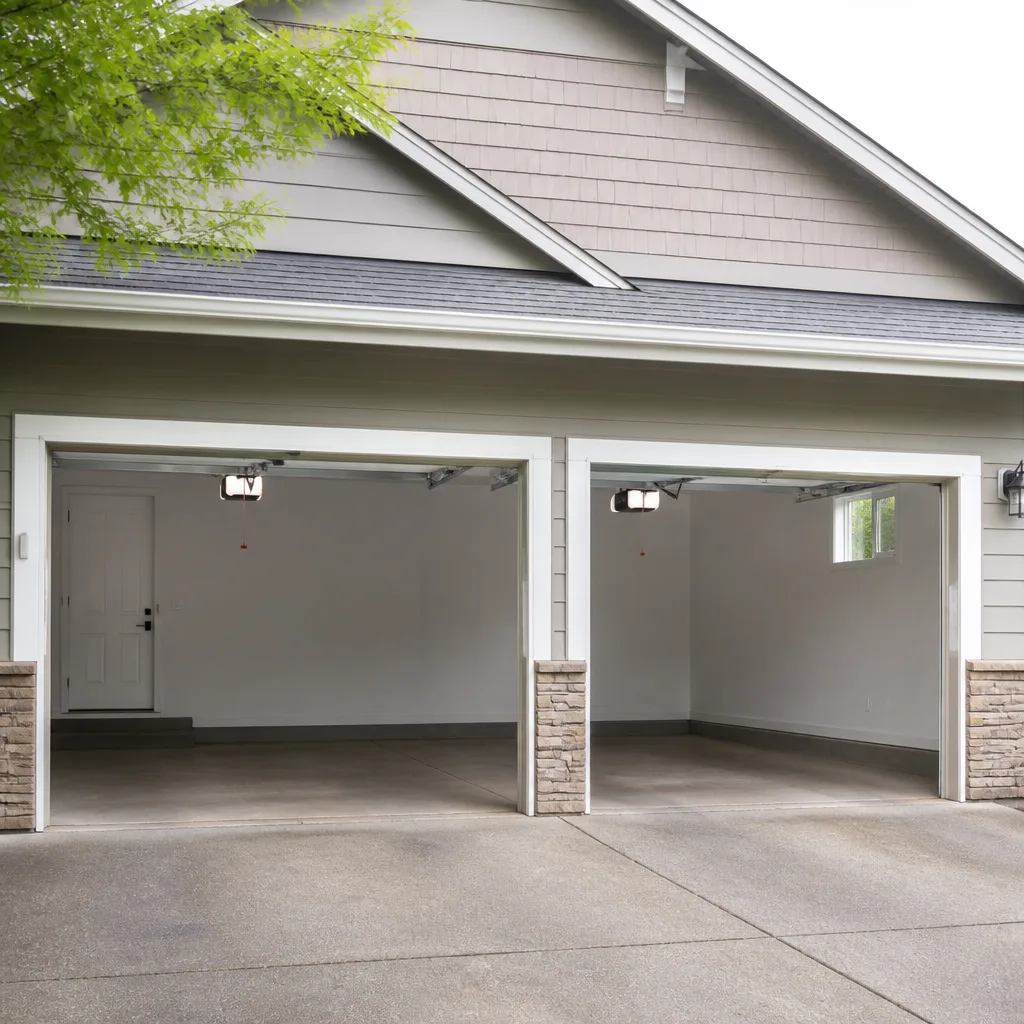 LiftMaster openers
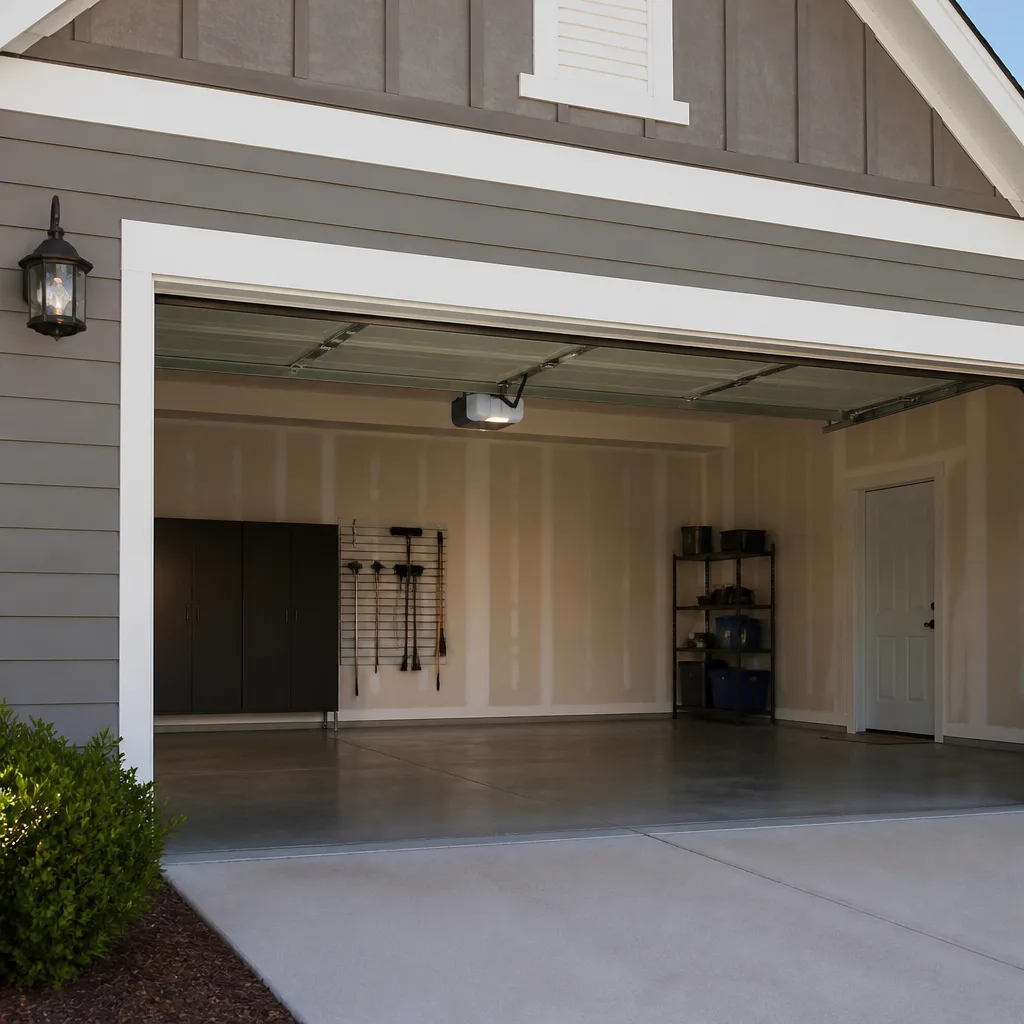 Chamberlain openers
Full 25-point door and opener safety check with every visit - springs, cables, rollers, tracks, and your LiftMaster or Chamberlain opener included
You get a price before we start. It does not change when the truck arrives.
Get your free estimateHow to Hire a Garage Door Contractor in Gainesville: A Step-by-Step Guide
Most homeowners here start by comparing prices. That is the wrong first move. A garage door quote is only as good as the person standing behind it, and in Gainesville the market mixes single-trade specialists with multitrade handymen, national franchise installers, and crews who appear after a storm. A Google listing photographs them all the same. This guide teaches you to read the differences before anyone sets foot on your property: how Florida licensing actually protects you, which questions separate a door specialist from a generalist, how to parse a written quote line by line, and why two quotes plus one verified neighborhood reference beats three quotes every time. You’ll finish knowing exactly what to ask and what to walk away from.
Quick Answer
Hiring a garage door contractor in Gainesville comes down to three checks: confirm the company holds the correct Florida contractor license and can show it, ask questions that prove they specialize in garage doors rather than occasionally install them, and demand a written quote that itemizes parts, labor and warranty in plain language. A specialist will pass all three without hesitation. A generalist will get vague. That hesitation is your answer.
If you’d rather skip ahead and talk to a specialist now, call (866) 389-5046. The estimate is free.
Styles & brands we work with
- Raised-panel steel
- Carriage house
- Modern flush
- Full-view glass
- LiftMaster openers
- Chamberlain openers
Table of Contents
- Why Vetting Matters More Than Price in Gainesville
- Step 1: Verify the License Before Anyone Arrives
- Step 2: Ask the Questions That Reveal a Specialist
- Step 3: Recognize Gainesville’s Specific Red Flags
- Step 4: Read the Quote Line by Line
- Step 5: Two Quotes and One Documented Reference
- What North Central Florida Climate Means for Your Door
- Common Mistakes to Avoid
- When to Call a Professional
Why Vetting Matters More Than Price in Gainesville
Garage doors fail slowly and then all at once. The spring that’s been stretching for years finally lets go, the opener motor starts straining against a door that no longer balances, and suddenly a repair can’t wait. When it happens, the temptation is to call whoever answers fastest and quotes lowest. That’s exactly the situation where improper vetting costs the most.
Here’s the part most bidding sites won’t tell you: a garage door system is a mechanical assembly under serious tension, with a motorized drive that has to be tuned to the door’s exact weight and balance. A general handyman can bolt a new spring in place. What he usually can’t do is match the spring to the door’s rated capacity, adjust the opener’s torque and travel limits afterward, and know whether the panel or the hardware is the real source of the noise you’ve been hearing. The door works for a while. Then it doesn’t.
Homeowners around Gainesville live with a lot of this. Housing stock here runs from older mid-century homes where the original door hardware has been patched for decades to newer subdivisions where builder-grade openers from Chamberlain or Genie are now hitting the end of their service life. Those are two very different repair pictures, and a contractor who hasn’t seen both won’t ask the right diagnostic questions.
The difference shows up six months later. A door that was installed with the wrong spring tension wears its opener gears faster. A door whose hinges were never lubricated or whose rollers were mismatched squeals in a way that never quite gets fixed. A repair that skipped the balance check comes back as a service call. You don’t feel those costs on the day of the invoice. You feel them at the next one.
Price still matters. But the goal of this guide is to help you spend your money on the right work the first time, at a price you agreed to before anyone started. That’s the whole game.
Step 1: Verify the License Before Anyone Arrives
Florida regulates contractors by specialty, and the license that covers garage door installation and service is a Specialty Contractor license. Someone who holds only a general or building contractor license operates under a different scope, and a handyman who holds no license at all is not someone you want working on a torsion system. Verify before you book.
- Ask for the license number over the phone. A specialist gives it without a pause. If the person on the line has to “check on that,” you’ve learned something.
- Look it up yourself. Florida’s Department of Business and Professional Regulation maintains a public license search. Enter the number or the company name and confirm the license is active, the name matches the company, and the license type covers garage door work.
- Ask for proof of insurance while you’re at it. An insured company doesn’t hesitate to document it. An uninsured one asks you to take their word.
- Match the name to the truck and the quote. The company on the license, on the written quote, and on the vehicle at your door should all be the same name. Mismatches are a warning sign.
This matters more in a market where unlicensed operators work constantly under the radar. Not because the licensed version is automatically a better mechanic, but because licensing establishes recourse. You have a name, an identity, a state record, and a complaint channel. With an unlicensed contractor, you have a phone number that may or may not work next month.
The simplest version of this: never let anyone begin work on your door until you’ve confirmed the license yourself. It takes three minutes and eliminates half the risk in this guide.
Step 2: Ask the Questions That Reveal a Specialist
Here’s the fastest way to tell a garage door specialist from a general contractor who “also does doors.” Generalists answer your questions generically. Specialists answer with specifics because their entire working life is this one system. The gap between those two kinds of answers is your best hiring signal.
Ask these on the phone, before you schedule. The real answers come quickly when they’re true.
- “What brands do you work on?” A specialist who works across the brands you already own is telling you something about parts access and training. You want to hear brand names you recognize from your own garage, not a hedge about “whatever’s on the truck.” A company that knows LiftMaster openers as well as Clopay and Raynor doors, for example, is a company that won’t tell you your equipment is “non-standard” just to steer you toward a full replacement.
- “Where do your parts come from?” A technician who carries common springs, rollers and hinges on the vehicle can often finish the job in one visit. One who has to order everything is a callback risk. You don’t need a warehouse inventory, but you want to hear that standard components are on hand.
- “Do you do opener repair, or only full replacements?” Opener electronics and mechanical door work are related but not the same skill set. A specialist services both. A high-volume installer prefers replacement because that’s where the sale is.
- “What will you check before you quote?” The right answer includes balance, spring condition, roller and hinge wear, track alignment, and opener force limits. A quote given in 90 seconds without examining the door is a guess, not an assessment.
- “Will the price change after you see it?” A competent contractor gives a written estimate and stands behind it. They’ll tell you if something they couldn’t see changes the picture, but they’ll do it as an agreed revision, not a surprise invoice.
Notice what’s missing from that list: any question about being the cheapest. That question tells you almost nothing. These tell you whether the company is built around your problem or around sales volume.
Step 3: Recognize Gainesville’s Specific Red Flags
Our weather is one of the things that makes this market a little unusual. Summer thunderstorms blow through hard, tropical systems occasionally brush the area, and the winds that come with them knock things loose: a bent panel, a track that gets nudged out of alignment, a door that takes on debris. After any notable storm, the door repair scammers mobilize. They know homeowners are looking for help fast and are less likely to check credentials under pressure.
Here’s what those crews look like. A crew that shows up at your door unsolicited after a storm, often offering to “check for damage” for free. A price quoted verbally, never in writing. A demand for cash. A truck with a logo sticker instead of a company name. A phone number that goes straight to voicemail and stays there. An address that turns out to be a PO box in another county. Any one of those alone deserves a second look. Two together and you should politely close the door.
Beyond storm chasers, watch for these patterns specific to this market:
- The multitrade handyman who subcontracts the garage door portion. You hired his company; a stranger does the work. Your accountability just walked out the door with your original contractor.
- The installer who won’t touch repair. Some high-volume installation companies decline service calls entirely because the margin is different. Ask directly what they do besides full replacements.
- The low quote that grows on inspection. A bait-and-switch dynamic where the quoted number covers “diagnosis” only and the actual repair lands at multiples of what you were told. Get the total price in writing and agreed before work begins.
- The spring replacement without a balance check. If a technician swaps the spring and drives away without rebalancing the door and resetting the opener’s force limits, you’ve hired a parts changer, not a specialist.
None of this is unique to garage doors. But when the system involves high-tension springs and a motorized drive, the consequences of a bad call can be more than money. That’s why this matrix of red flags is worth memorizing before you need it.
Step 4: Read the Quote Line by Line
A garage door quote should be boring. It should list parts, labor and warranty terms in language you can read without a translator. If yours looks like boilerplate with a number at the bottom, that’s a signal to push back before you sign.
Start with parts. A spring quoted at a price that feels suspiciously low is usually a generic spring that doesn’t match your door’s rated load. A specialist will tell you which spring specification they’re using and why. Hardware like rollers, hinges and bearings should be itemized rather than lumped into one “door hardware” line, because those items are where corners get cut. A torsion spring price typically covers one spring; a door that uses a matched pair is usually serviced with both replaced together, so expect that to reflect two springs rather than one.
Then look at labor. A straight replacement job and a diagnosis-driven repair are different structures. Ask the contractor to explain how they arrived at the labor number. You’re not looking for an hourly breakdown; you’re looking for a clear description of what the labor covers.
Warranty is where most quotes get meaningless. “Guaranteed workmanship” is boilerplate if there’s nothing behind it. What you want is specific:
- How long does the parts warranty run, and does it cover the spring specifically? Springs and openers have different service lives, and a blanket number is usually the weaker of the two.
- Does the warranty cover the labor as well as the part? Many don’t. A part replacement covered but not the labor means you pay twice for one failure.
- Who honors the warranty? The company who wrote the quote, or an unnamed third party? A warranty you can’t identify an owner for is a warranty you’ll never collect on.
- Is anything explicitly excluded? A short exclusions list is trustworthy. A warranty with no exclusions listed is usually the one designed to be denied.
Ask for the written estimate to include the price you’ll pay, the parts specification, and the warranty terms on one page. If the estimate only shows a total, ask for the itemization. A specialist will produce it. A generalist will tell you that’s not how they work.
One more thing: this isn’t the moment to worry about whether same-day service is available. Installation and replacement work is measured, ordered and scheduled. You want a free measure and a written, agreed price, not a promise of speed. Read the garage door repair page if you’re weighing repair against replacement.
Step 5: Two Quotes and One Documented Reference
The instinct is to collect three quotes and pick the middle one. Resist it. Three quotes for a garage door job usually return three different scopes, which makes them nearly impossible to compare on price. One company quotes a spring replacement. Another quotes a full door replacement because they’d rather sell the bigger job. A third quotes “diagnosis and repair” without specifying what either means. You’re comparing apples to paintbrushes.
Two well-explained quotes at the same scope tell you more than three at different scopes. But the single most useful thing you can do is get one documented reference from a neighbor or someone in your area who had the same company do similar work recently.
Documented means you can name the person, name the company that did their work, and confirm it happened. Not a review page, not a testimonial block on the company’s own site. A real person who will pick up the phone and tell you how the job went, whether the final invoice matched the quote, and whether they’d hire the same company again.
In a city with Gainesville’s spread of older neighborhoods and newer builds, those references tend to localize. Talk to a neighbor with the same era of house and the same door type. Their experience with a given company is more predictive than a stranger’s review twenty miles away.
Ask the reference three things:
- Did the final price match the written estimate?
- Did the technician diagnose the actual problem first time, or did the job come back?
- Would they call the same company again?
Those three answers reliably separate a specialist from a generalist. Reviews rarely do.
What North Central Florida Climate Means for Your Door
Winters are mild, and that changes the maintenance conversation from what northern homeowners expect. You’re not dealing with the extremes that crack and warp materials in colder climates. What you do have is summer heat and dampness, and both act on the same parts year after year.
Heat and humidity affect garage doors in three ways. Metal components expand and contract with temperature swings, which loosens fasteners over time. Humidity finds its way into hinges, rollers and bearings, and that’s where squeaks and sticking come from. Wood components, if your door has them, absorb moisture and can warp or split. The bugs that thrive in a warm, humid climate also like the sheltered gaps around a garage opening.
Regular lubrication, hinge inspection, and keeping the track clear are the maintenance basics most homeowners neglect. A specialist will look at all of these during any service call. A generalist will fix what you called about and leave.
And the storm conversation from above is a genuine Gainesville consideration. Any door that took a bump from a limb or debris is worth having examined: a slightly bent panel or a track nudged out of alignment will eventually fail in a way that costs more than the original repair. This is why vetting matters here beyond the noise about licensing. The environment in this region works on garage door hardware the way time works on everything else.
If you’re specifically researching opener problems, start with our garage door opener repair page for a more focused look at the electronics and mechanical side of the system.
Common Mistakes to Avoid
- Hiring on price alone. The cheapest quote for a garage door job is often the one that skips the balance check and matches a generic spring to a door that needed a specific one. You’ll pay the difference at the next service call.
- Not checking the license before the technician arrives. Three minutes on the state lookup is the entire defense against unlicensed work. Once they’re on your property, that protection window is gone.
- Accepting a verbal quote and a handshake. A written estimate isn’t a formality. It’s the only documentation you have if the final invoice doesn’t match what you were told. Get it in writing and agreed before work starts.
- Letting a multitrade handyman do garage door repair. Not because handymen aren’t competent craftspeople, but because a torsion system and a motorized opener require specific, current training that general repair work doesn’t provide. “I’ve done a few of these” is not the same credential.
- Ignoring warped or misaligned panels after a storm. A door that took a hit and looks “close enough” will fail eventually. Get it assessed and fixed before it becomes structural.
- Skipping the reference. Reviews are easy. Documented references from real people in your neighborhood are hard, and they’re worth the ask.
- Taking a warranty at face value. Ask who honors it, what’s covered and what’s excluded, and whether labor is included. Vague warranty language usually means an empty promise.
When to Call a Professional
Some garage door issues are genuinely dangerous to touch. Torsion springs are the classic example: they’re under enough tension to cause serious injury if they slip, and no homeowner should be attempting that repair. Cables under load, the spring assembly, and anything involving the opener’s electronics and force limits are all in the “call a specialist” category. Do not try to release or adjust a loaded spring yourself.
Other cases should also trigger a call: the door is badly off-balance and won’t stay halfway up, the opener runs but the door doesn’t move, the door reverses without warning, or the door is making noises it didn’t make last year. These are all cases where the right diagnosis prevents the wrong repair.
For homeowners here, the simplest path through the vetting problem from this guide is to skip the guesswork and get an estimate from a specialist. Holloway Garage Door Repair offers free estimates in Gainesville – call (866) 389-5046. We answer 24/7. Fast dispatch from 7am to 7pm, Sunday through Friday. We’re closed on Saturday, and a call outside dispatch hours is booked into the next opening, Sunday through Friday, 7am to 7pm. The estimate is free, the price is set per job, and you’ll see the written quote before any work starts.
See the difference
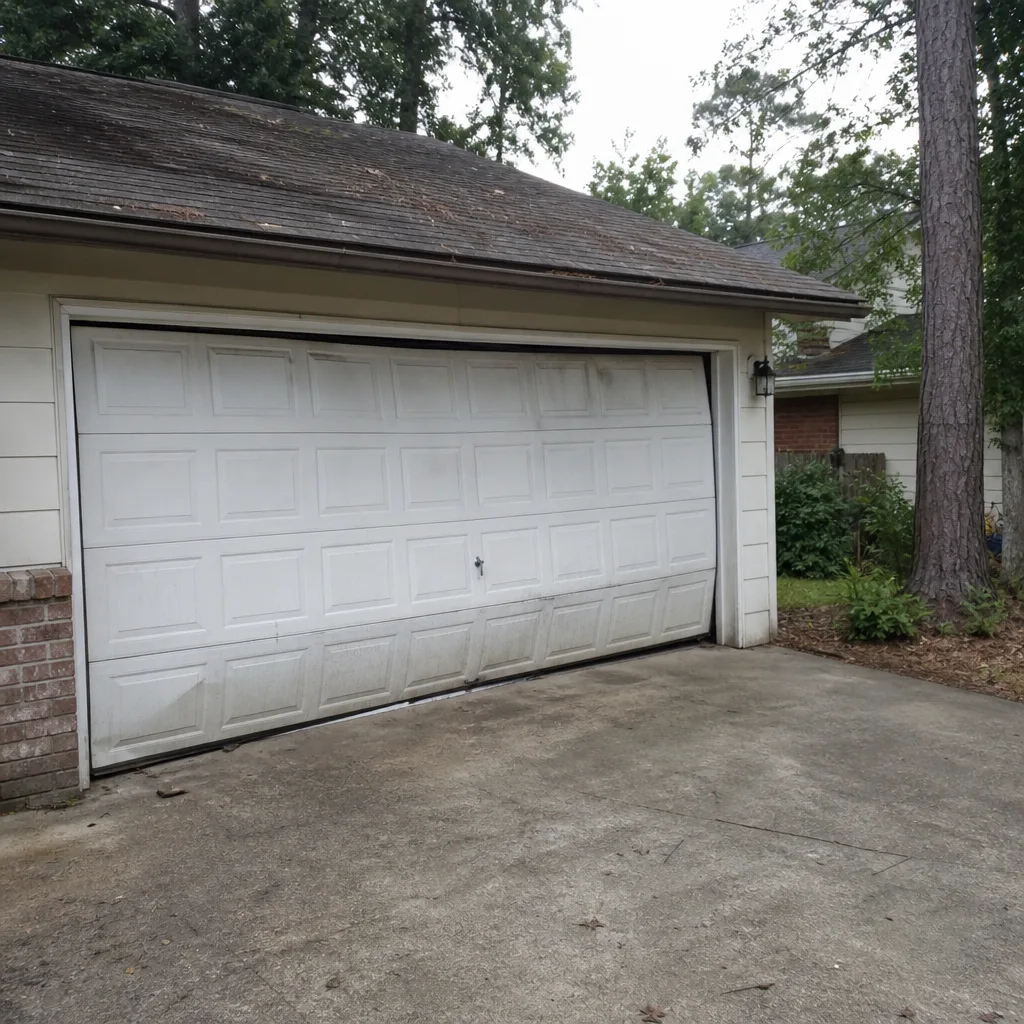 Before
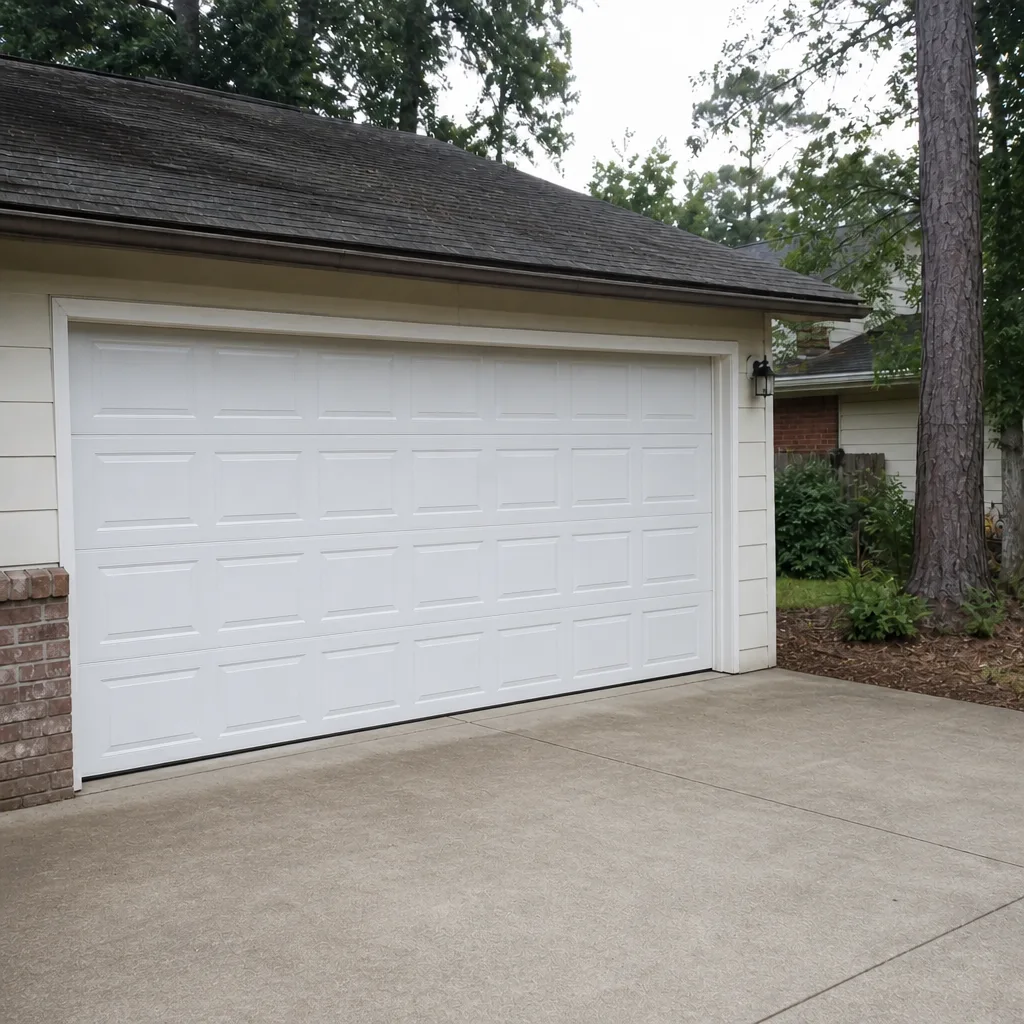 After
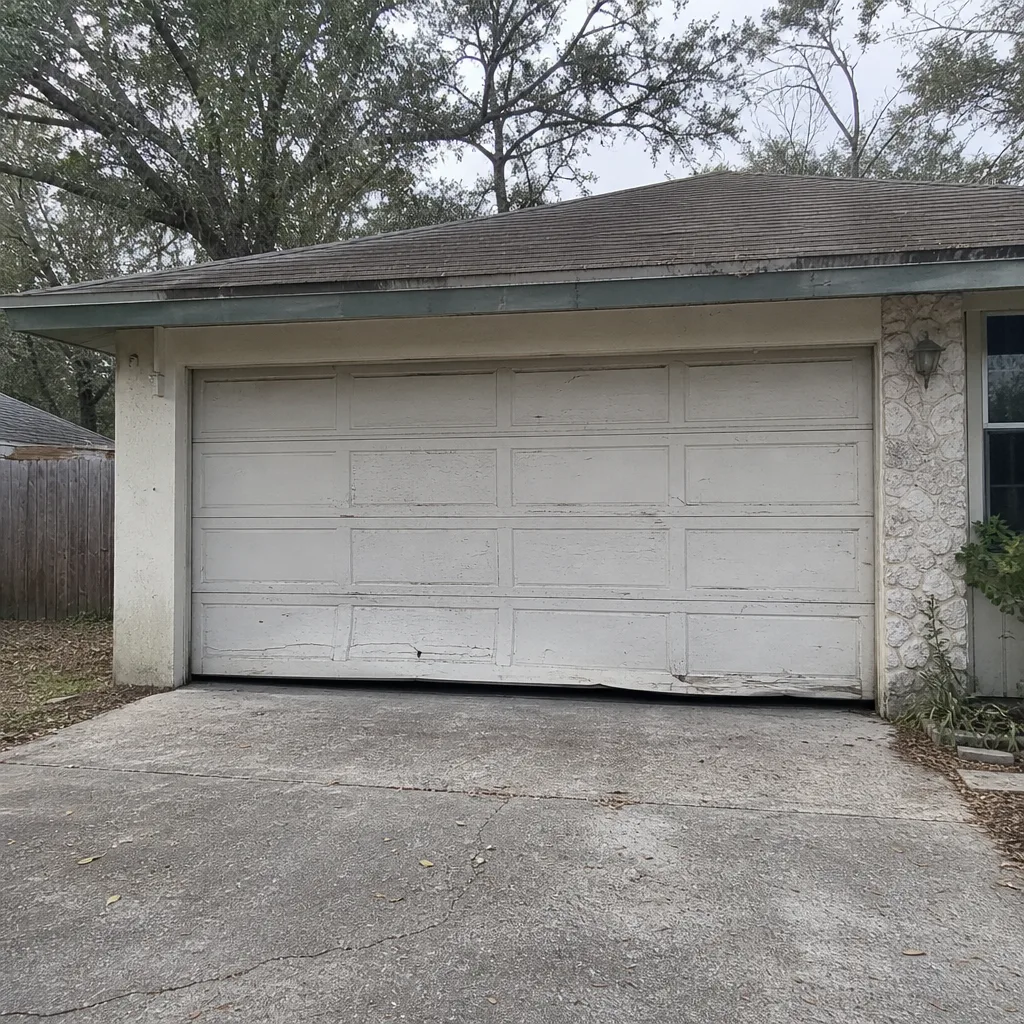 Before
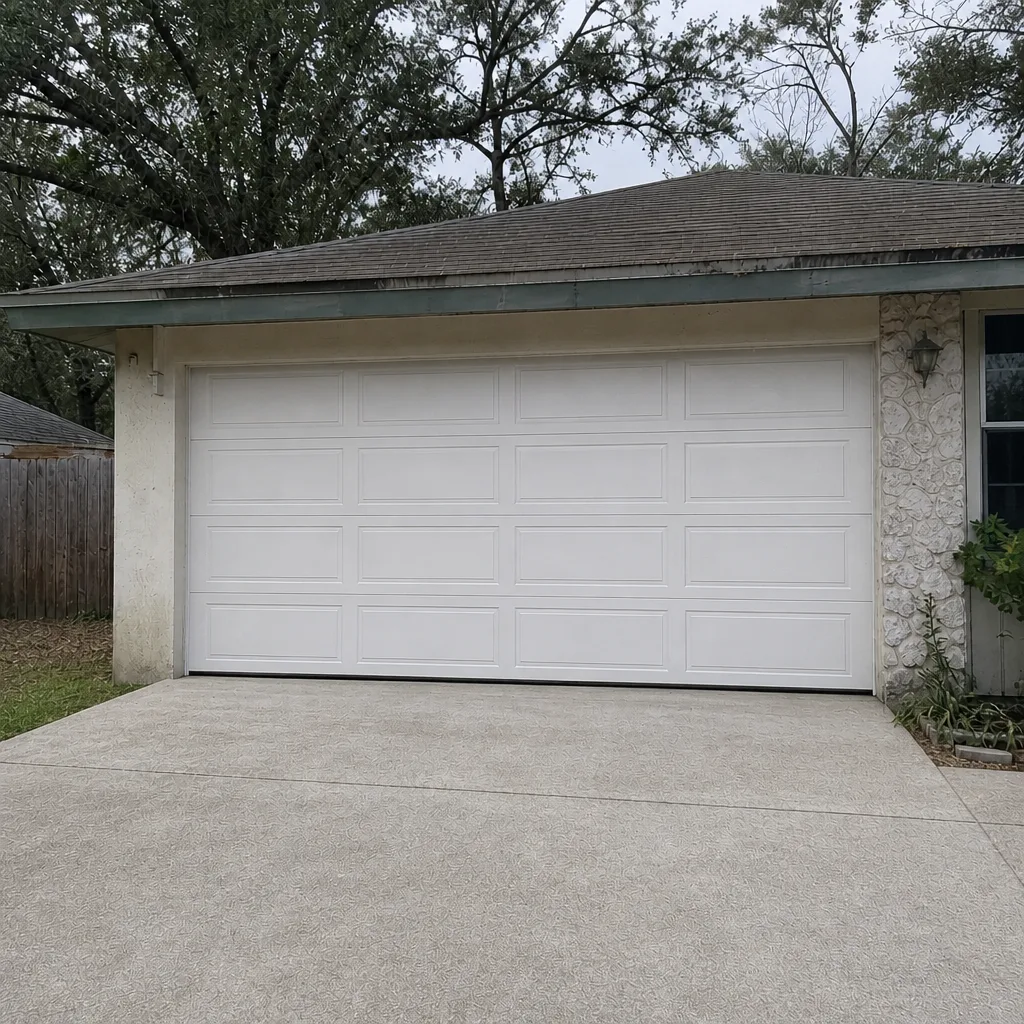 After
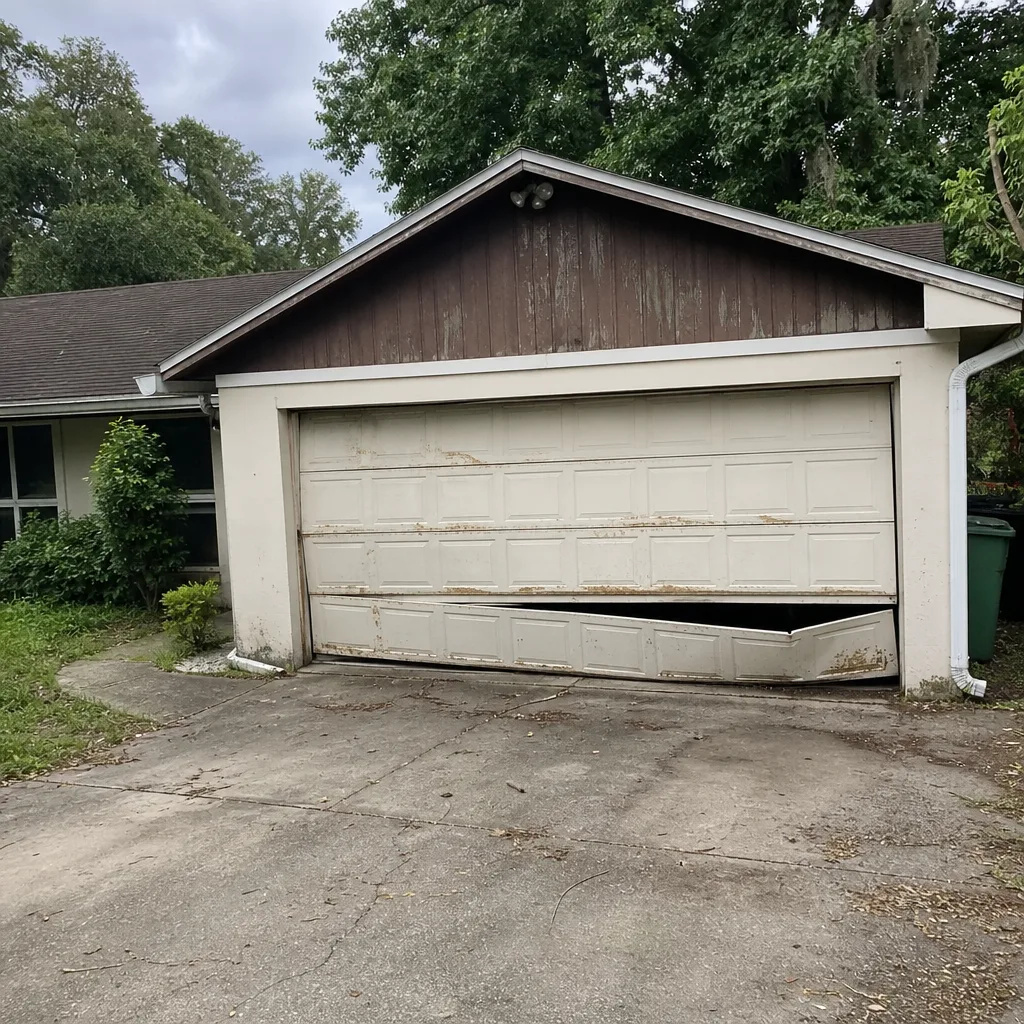 Before
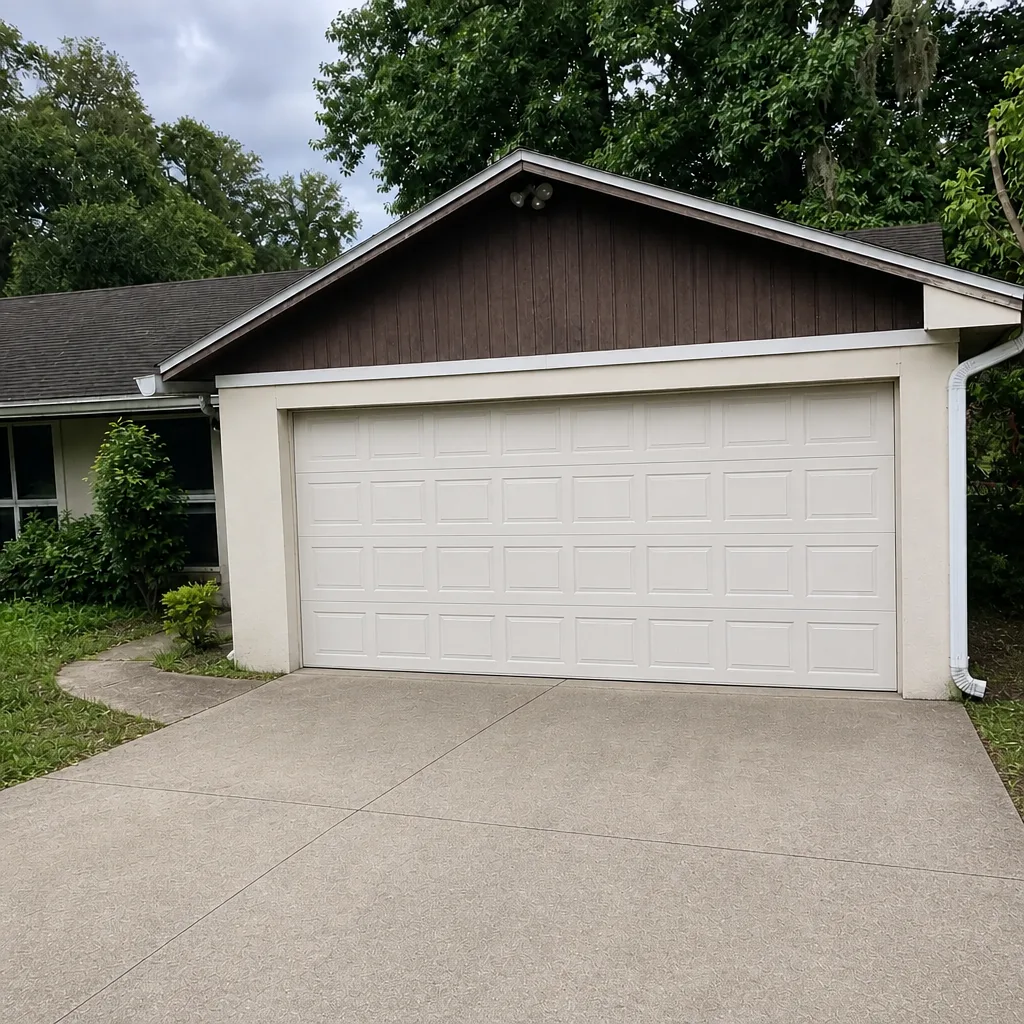 After
Frequently Asked Questions
It depends on the job, which is why a written estimate is the only number that counts. Spring and opener work tend to be the most common repair calls here, and the price depends on the door’s rated capacity, the parts needed, and the scope of the adjustment required. Call (866) 389-5046 for an exact quote – estimates are free.
Yes. Garage door installation and service falls under a contractor license in Florida, and the correct license type covers this specific trade. Ask for the license number and verify it directly with the state before work begins. An unlicensed operator leaves you with no recourse if the job goes wrong.
For repair calls, often yes. We answer 24/7. Fast dispatch from 7am to 7pm, Sunday through Friday. A call outside dispatch hours is booked into the next opening, Sunday through Friday, 7am to 7pm. We’re closed Saturday. Installation and new-door work is scheduled after a free measure and a written quote, not dispatched same-day. Call (866) 389-5046.
Not without your agreement. We look at the door, quote the job in writing, and start work only once you’ve agreed to that number. If something changes on inspection, you hear it as a revision before we proceed, not as an invoice afterward. Call (866) 389-5046 for details.
We have common springs, rollers, hinges and hardware on hand for typical repair calls, so many jobs finish in a single visit. Specific parts for the door and opener brand already in your garage may need to be sourced, and we’ll tell you that up front. Call (866) 389-5046.
We work on the brands most commonly installed in Gainesville homes, including LiftMaster, Chamberlain, Genie, Clopay, Amarr and Raynor. Our service is brand-agnostic: we match parts, openers and installation to what’s already on your door rather than steering you toward a brand. If you want to know whether we cover your specific equipment, call (866) 389-5046.
The Bottom Line
Hiring a garage door contractor is a vetting problem, not a price problem. Verify the license first, ask the questions that reveal whether the company specializes in garage doors or occasionally does them, and demand a written quote with genuine warranty terms. Watch for the storm-driven operators and the quote that grows after the fact. And skip the three-bid ritual in favor of two comparable quotes and one documented reference from someone who’s used the company recently. That combination will steer you toward a contractor who knows the brand already in your garage and stands behind the work. Holloway Garage Door Repair works across the brands homeowners here already own, and we’re happy to answer your questions before you commit to anything. Call (866) 389-5046 for a free estimate. We answer 24/7. Fast dispatch from 7am to 7pm, Sunday through Friday.
Written by the team at Holloway Garage Door Repair, serving Gainesville since 2017.