
Last updated November 14, 2026
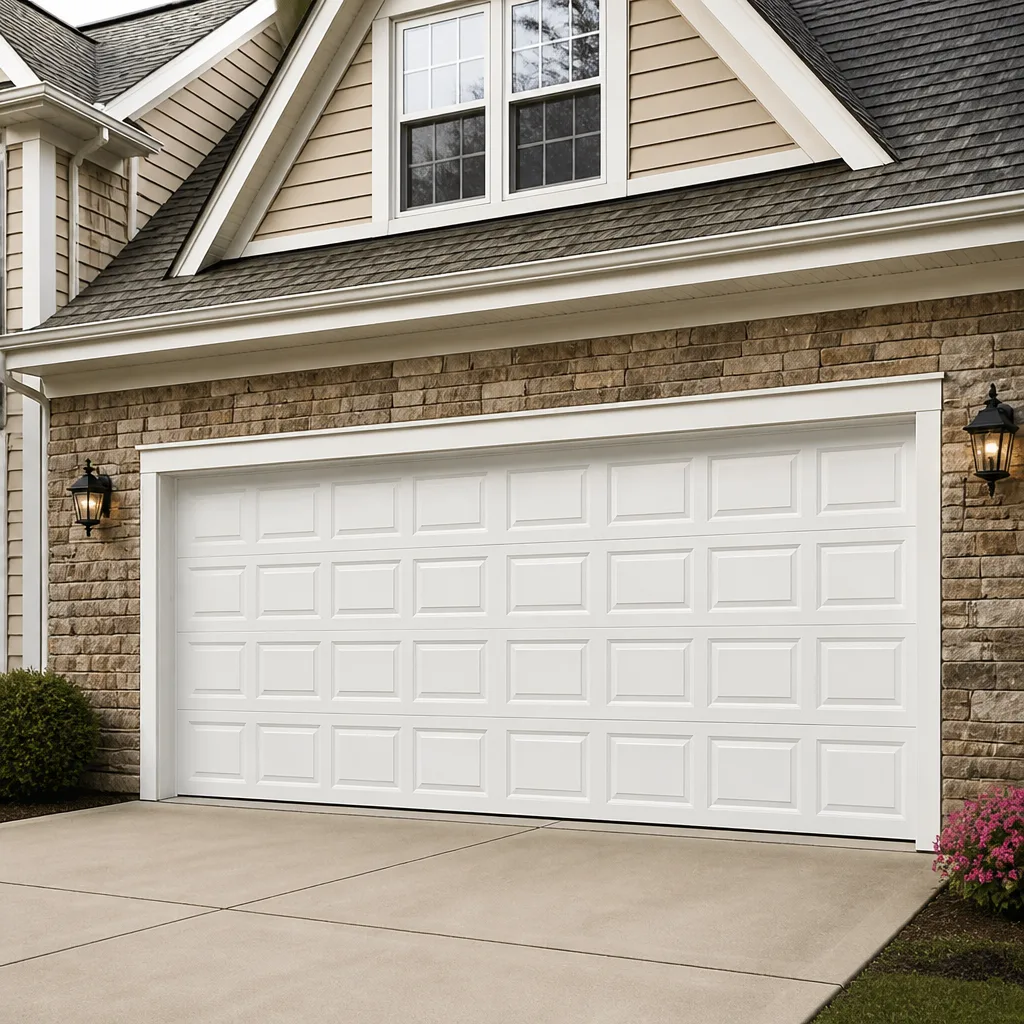 Raised-panel steel
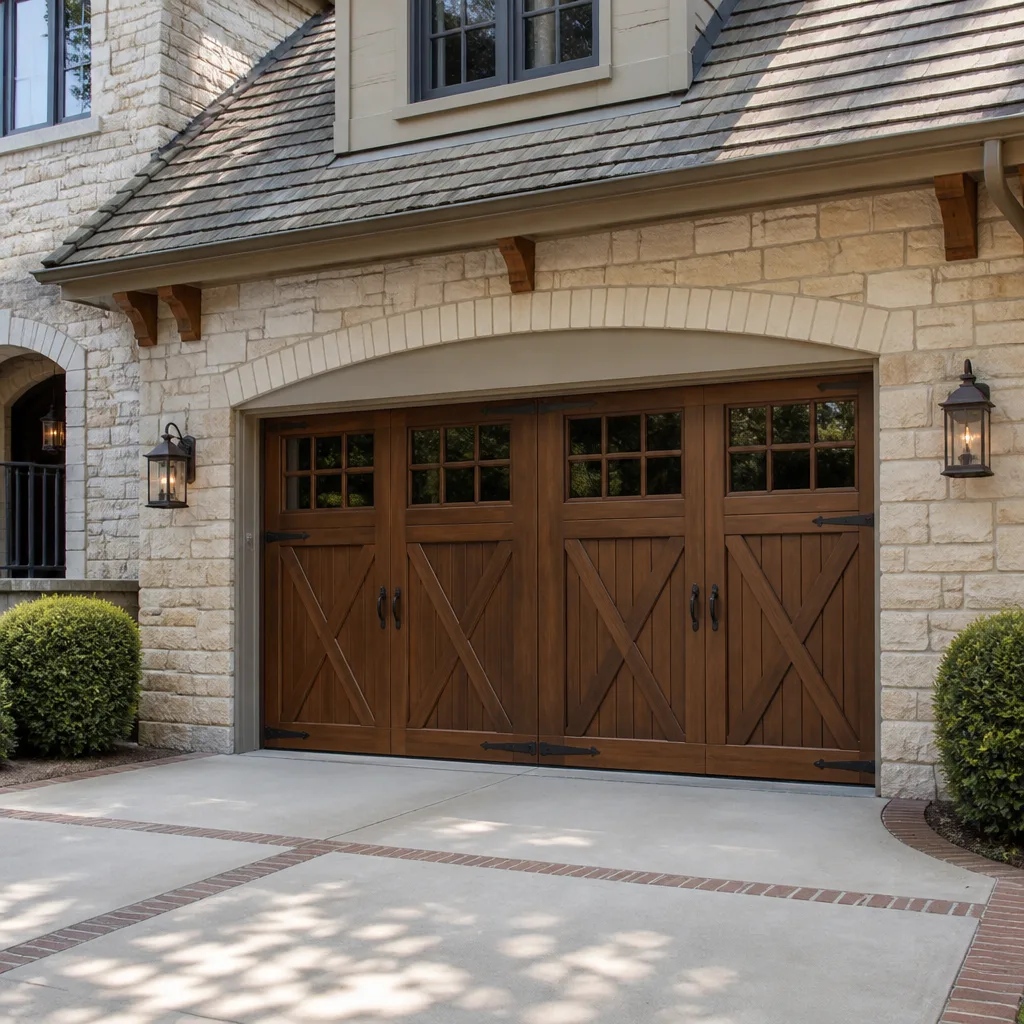 Carriage house
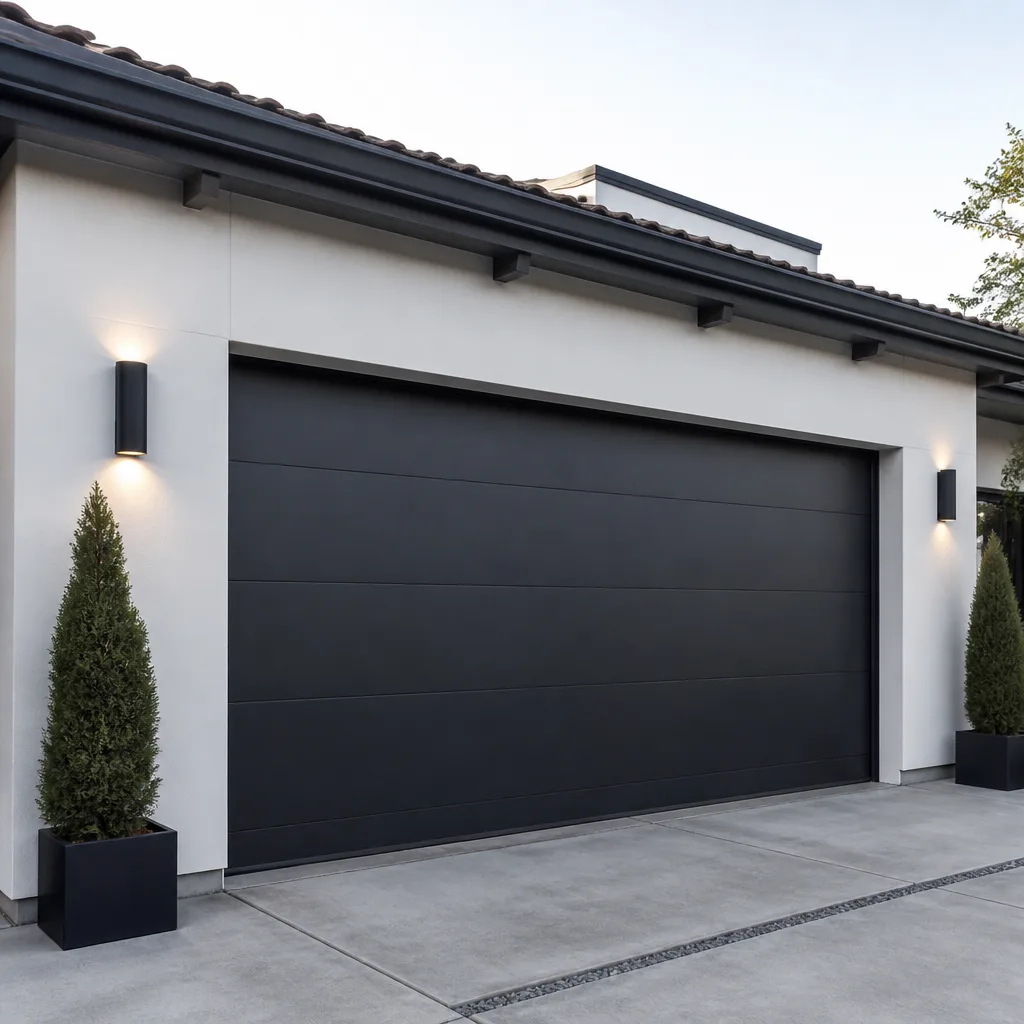 Modern flush
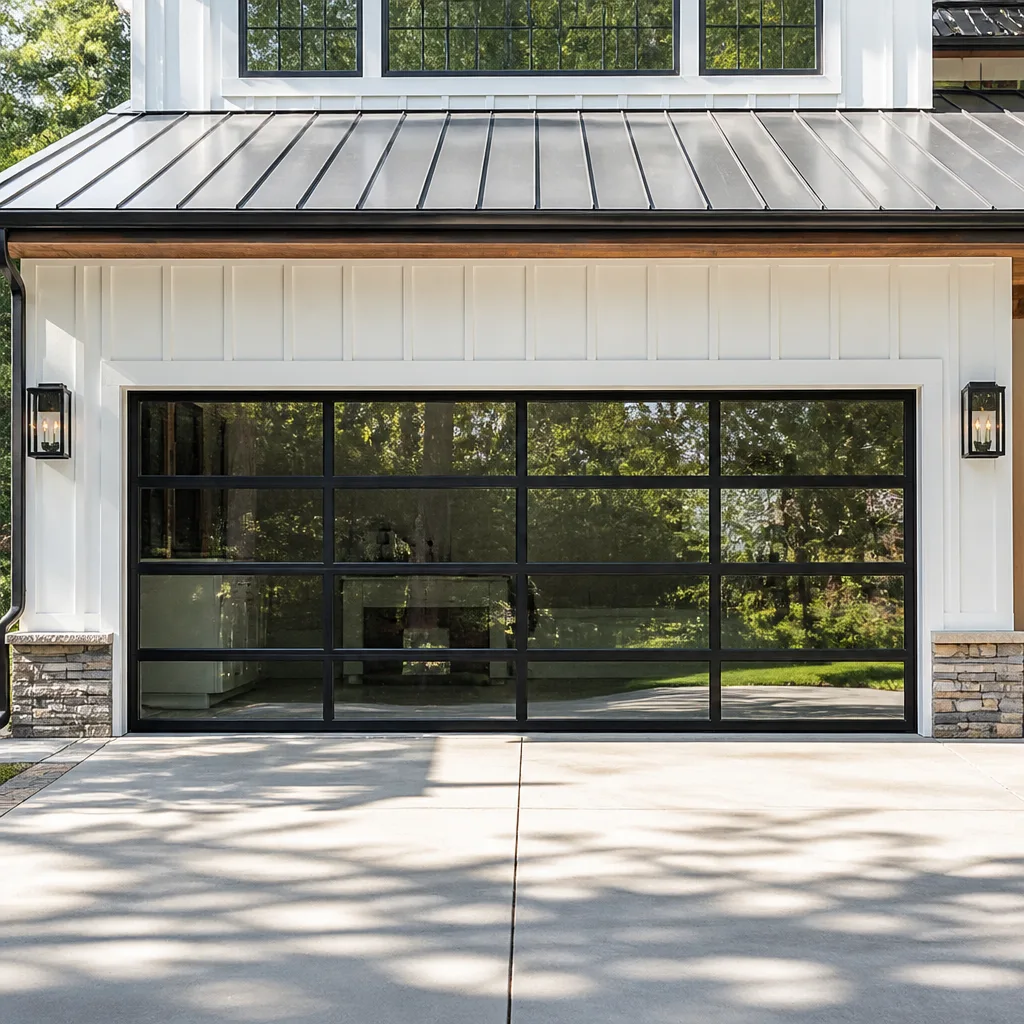 Full-view glass
 LiftMaster openers
 Chamberlain openers
Full 25-point door and opener safety check with every visit - springs, cables, rollers, tracks, and your LiftMaster or Chamberlain opener included
You get a price before we start. It does not change when the truck arrives.
Get your free estimateGarage Door Warning Signs: A Gainesville Homeowner’s Reference Guide
Most garage door failures don’t happen without warning. They announce themselves weeks in advance, and almost nobody listens. That pop you heard last Tuesday? The door that hesitated before going up on Wednesday? Those weren’t glitches. They were the door telling you something was wearing out. The trouble is that homeowners are trained to treat these signals as nuisances rather than diagnostic information, so a $40 part quietly turns into a weekend emergency. This guide is about learning to read the signals correctly, and knowing which ones you can watch and which ones mean stop using the door today. We’re writing it from Gainesville, where the humid summers and hard water leave their own marks on every door in town.
Quick Answer
The most serious garage door warning signs are a door that reverses before touching the floor, a door that won’t stay up, a loud bang from above the door, and any visible fraying on the lift cables. Those four mean stop using the door and call a technician. Less urgent signs – squealing, grinding, rattling, slower opener travel, rust on hardware – are watch items that usually give you a few weeks to schedule a repair. The key is telling the two groups apart before the smaller problem causes a bigger one.
Styles & brands we work with
- Raised-panel steel
- Carriage house
- Modern flush
- Full-view glass
- LiftMaster openers
- Chamberlain openers
Table of Contents
- The Symptom-to-Cause Matrix: What Every Noise Is Telling You
- Gainesville-Specific Warning Signs: Humidity, Hard Water, and Sun
- Watch It vs. Stop Using the Door: The Triage Test
- What Your Opener Is Telling You Before the Spring Fails
- How Long You Have: Practical Urgency Tiers
- A Five-Minute Visual Inspection You Can Do Safely
- When a Warning Sign Is a Simple Fix
The Symptom-to-Cause Matrix: What Every Noise Is Telling You
Noises are the most useful diagnostic tool a homeowner has, and almost nobody uses them. Each sound a garage door makes points to a specific component, and once you know the map, you can describe the problem accurately when you call. That alone saves time on the repair, because the technician arrives knowing where to look.
Here’s how we translate the sounds we hear on service calls in Gainesville:
- Grinding usually means dry or worn rollers, or a torsion spring that’s lost tension and is dragging the door. It often gets louder as the door rises, since the load increases near the top of travel.
- Popping or snapping from above the door is the sound of a torsion spring winding or unwinding unevenly, and it can also be a cable jumping a drum. Popping is one of the loudest warning signs and usually means stop using the door.
- Squealing is almost always metal-on-metal friction: hinges, rollers, or the opener’s rail. It’s typically the easiest sound to fix and the easiest to ignore too long.
- Rattling points to loose bolts on the hinges, the track brackets, or the opener’s mounting hardware. Left alone, rattling loosens the door’s alignment and turns into a bigger problem.
- A single loud bang that sounds like a firecracker is the classic sound of a torsion spring breaking. If you hear it, stop using the door and keep everyone away from it until a technician arrives.
We work on the brand you already have, so the diagnosis follows the door and opener in front of us rather than a single manufacturer’s playbook. Whether the door is a Clopay steel panel or a Wayne Dalton installed years ago, the sounds mean the same things. And when the noise turns out to be electrical rather than mechanical, we handle that too through garage door opener repair.
Gainesville-Specific Warning Signs: Humidity, Hard Water, and Sun
Garage doors in Gainesville age differently than doors in drier parts of the country. Our summers are long, humid, and hot, and that shows up in three specific places on a door: the cables, the tracks, and the weatherstripping. If you know what to look for, you can catch these problems before they turn into a repair.
Rust on cables. The lift cables on a garage door are steel, and in Gainesville’s humidity they can develop surface rust faster than most homeowners expect. A light dusting of rust on the cable isn’t an emergency, but flaking rust, a cable that looks frayed, or a visible broken strand means the cable is compromised. Stop using the door and call a technician. A cable failure can drop a door without warning, and that’s not something to test.
White mineral deposits on tracks. Hard water is common in Gainesville, and if the door or tracks get splashed during yard work or a nearby hose bib, you’ll see white, chalky stains on the metal. Those deposits are cosmetic on their own, but they hold moisture against the track and speed up rust. Wipe them off when you see them and keep an eye on the same spot. If the track starts pitting, the rollers can bind and the door will start to feel stiff.
UV-bleached weatherstripping. The rubber seal along the bottom and sides of the door takes the full force of Florida sun. When it fades from black to gray, hardens, or starts cracking, it’s not sealing anymore. That lets in rain, insects, and humid air, and it puts extra strain on the door’s bottom panel. Replacing the seal is one of the cheapest repairs we do, and it’s one of the most commonly overdue.
Watch It vs. Stop Using the Door: The Triage Test
Here’s the single most useful distinction in this guide: some warning signs mean watch the door, and some mean stop using it right now. Getting that call wrong is how a manageable repair becomes an emergency. You can make the call yourself, before you pick up the phone, using a short list of tests.
The “stop using the door” list is short and specific:
- A visible broken cable, frayed cable, or a cable hanging loose from the drum.
- A loud bang followed by a door that won’t lift, or lifts crookedly.
- A door that reverses before it touches the floor and won’t stay down.
- A door that won’t stay up when you raise it by hand, or that feels much heavier than it used to.
- Any visible separation of the door from the track, or a door that appears to lean.
If any of those apply, stop operating the door, keep family members and vehicles clear, and call a technician. The “watch it” list is longer: minor squealing, a slightly slower opener, a single loose hinge, a faint rattle, or a slow seal leak. Those are still worth a service call, but they typically give you days or weeks to schedule one.
The reason the distinction matters so much is that the components involved – torsion springs and cables – are under serious tension. Adjusting them requires specialized tools and training. A garage door spring can cause serious injury if handled without that training, so we never recommend a homeowner try to adjust or replace one. Testing whether the door is balanced is fine; opening up a spring assembly is not.
What Your Opener Is Telling You Before the Spring Fails
Most homeowners think their opener is failing when the actual problem is the door. The opener is just the muscle; the door and its springs are the load. When the springs start losing tension, the opener works harder to lift the same door, and it shows up as changes in the opener’s behavior weeks before the spring fails outright.
Watch for these opener signals in particular:
- Slower travel. If the door takes noticeably longer to go up or down than it used to, the opener is laboring against a heavier load, often because spring tension is dropping.
- Hesitation at the start. A brief pause before the door begins to move is another sign the opener is straining.
- Random reversals. A door that reverses partway through closing is usually a safety sensor issue, but on an older opener it can also be a sign the travel limits have drifted out of adjustment.
- Stalling near the top. If the opener seems to struggle most in the last few inches, the door is at its heaviest lever point and the spring is likely the cause.
- Remote or wall button not responding. That’s usually electronics, not mechanics, but it’s still worth diagnosing properly.
This is why we treat opener repair as its own specialty rather than a bolt-on service. The electronics and the mechanics are one system, and the right diagnosis depends on reading both. If your current opener is a Chamberlain or a Craftsman that’s been on the door for years, we can tell you whether it’s losing strength or just needs adjustment. When the opener is genuinely at the end of its life, a new installation is a different conversation, and we handle that too. Either way, understanding what your opener is telling you is the difference between replacing a part and replacing the door.
How Long You Have: Practical Urgency Tiers
“Call soon” is useless advice. Here’s a more honest way to think about timing, organized into three tiers based on what we see on service calls.
Tier 1 – Watch it this week. Minor squealing, a faint rattle, light surface rust on hardware, a slightly stiff door. These are usually lubrication or adjustment issues. Most homeowners can safely schedule a service call within a few days without much risk. Keep using the door, but don’t ignore the sound.
Tier 2 – Schedule the repair within days. Slower opener travel, a single bent hinge, a door that’s starting to lean slightly, a seal that’s clearly failed, white mineral deposits that are pitting the track. These are still not emergencies, but they’re the tier where waiting starts costing more. A worn roller left too long can damage the track. A failed seal lets in moisture that rusts the bottom panel.
Tier 3 – Stop using the door today. Broken or frayed cables, a door that won’t stay up, a loud bang from the spring, a door that reverses before the floor, visible misalignment. These are the scenarios where continuing to operate the door can turn a repair into a full replacement. If you’re in Tier 3, call us and describe what you’re seeing. We answer 24/7, and fast dispatch from 7am to 7pm gets a technician out to look at it.
One thing we’ve learned from working across Gainesville: people tend to sit on Tier 2 problems the longest. The cost of a Tier 2 repair is almost always lower than the cost of a Tier 3 emergency, and the door tells you which tier you’re in if you know the signs.
A Five-Minute Visual Inspection You Can Do Safely
You can catch most of the warning signs on this list with a short visual inspection you do yourself, without touching any of the high-tension components. Do this once a season, especially at the start of a Gainesville summer when humidity climbs.
- Stand back and look at the door from inside the garage. Is it sitting level in the opening? A door that’s visibly higher on one side than the other needs attention.
- Inspect the lift cables along their length. Look for rust, fraying, or broken strands. Don’t touch a cable that looks compromised; just note it and call.
- Check the tracks for white mineral deposits, dents, or debris. Wipe mineral spots with a damp cloth and watch whether they come back.
- Look at the weatherstripping along the bottom and sides. If it’s gray, cracked, or pulling away, it’s time to replace it.
- Listen to the door through one full cycle. Squealing, grinding, popping, or rattling each point to a different component, and knowing which one helps the technician prepare.
- Test the safety reverse with a small object. Place a roll of paper towels under the door and press the close button. If the door doesn’t reverse when it touches the object, the safety system needs adjustment before the door is used again.
If everything looks and sounds normal, you’ve done your part. If something doesn’t, you now know exactly what to describe when you call. That’s a better starting point for a diagnosis than most service calls begin with.
When a Warning Sign Is a Simple Fix
Not every warning sign is expensive, and it’s worth saying that plainly. The household sounds that worry people the most – squealing, rattling, a slightly stiff door – are often the cheapest repairs on the entire list, because they’re caught early. Lubrication, tightening loose bolts, replacing worn rollers, or swapping out a failed seal are the kinds of jobs that take a short visit and keep the door running for years.
The reason we teach homeowners to read the signs is not to scare anybody. It’s the opposite. When a warning sign gets noticed early, the repair is smaller. When it gets ignored, the door usually finds a way to make the point. That’s true for any brand: a Clopay steel door, an Amarr carriage-house model, a Wayne Dalton with a chain-drive opener. The door behaves the same way. The warning signs show up the same way. And the fix is easier when it’s caught early.
Holloway is a named, identifiable brand rather than an anonymous dispatch service, and garage doors are all we do. Every technician and every tool is built around this one trade. That means when you describe a sound over the phone, the person on the other end knows exactly where to look. And if the problem turns out to be a full new door rather than a repair, we handle that part of the work under the same roof so you’re not handed off to a different contractor. From a stuck spring to a full new door, the whole system is our job. You can see the full range of what we do on our Holloway Garage Door Repair page, or read more about garage door repair if you’re ready to schedule a visit.
Common Mistakes to Avoid
- Ignoring a single loud bang. A bang from the door is the sound of a spring breaking. Homeowners often assume it was something else, keep using the door, and turn a one-spring repair into a full-system job. If you hear a bang, stop and call.
- Treating a reversing door as a nuisance. A door that reverses before hitting the floor is doing its job. It’s telling you the safety sensors or spring tension are out of spec. Adjusting the sensor is a legitimate repair, but the door shouldn’t be used to force it shut.
- Assuming a homeowner can adjust the torsion spring. This is the most dangerous mistake on the list. The spring is under extreme tension and the wrong move can cause serious injury. Leave spring work to a trained technician.
- Letting the bottom seal stay cracked through a Gainesville summer. A failed seal lets in humidity, insects, and water. It’s one of the cheapest fixes on the door and one of the most commonly delayed.
- Assuming a slow opener needs replacement. A slower door usually means the door, not the opener, is losing strength. Replacing the opener without addressing the door won’t fix the problem.
- Relying on the door’s age alone. A well-maintained door can outlast a neglected newer one. The signs matter more than the calendar.
- Letting a rusty cable ride. Rust that’s light is a watch item. Rust with fraying is a stop item. The two look similar at a glance but mean very different things.
See the difference
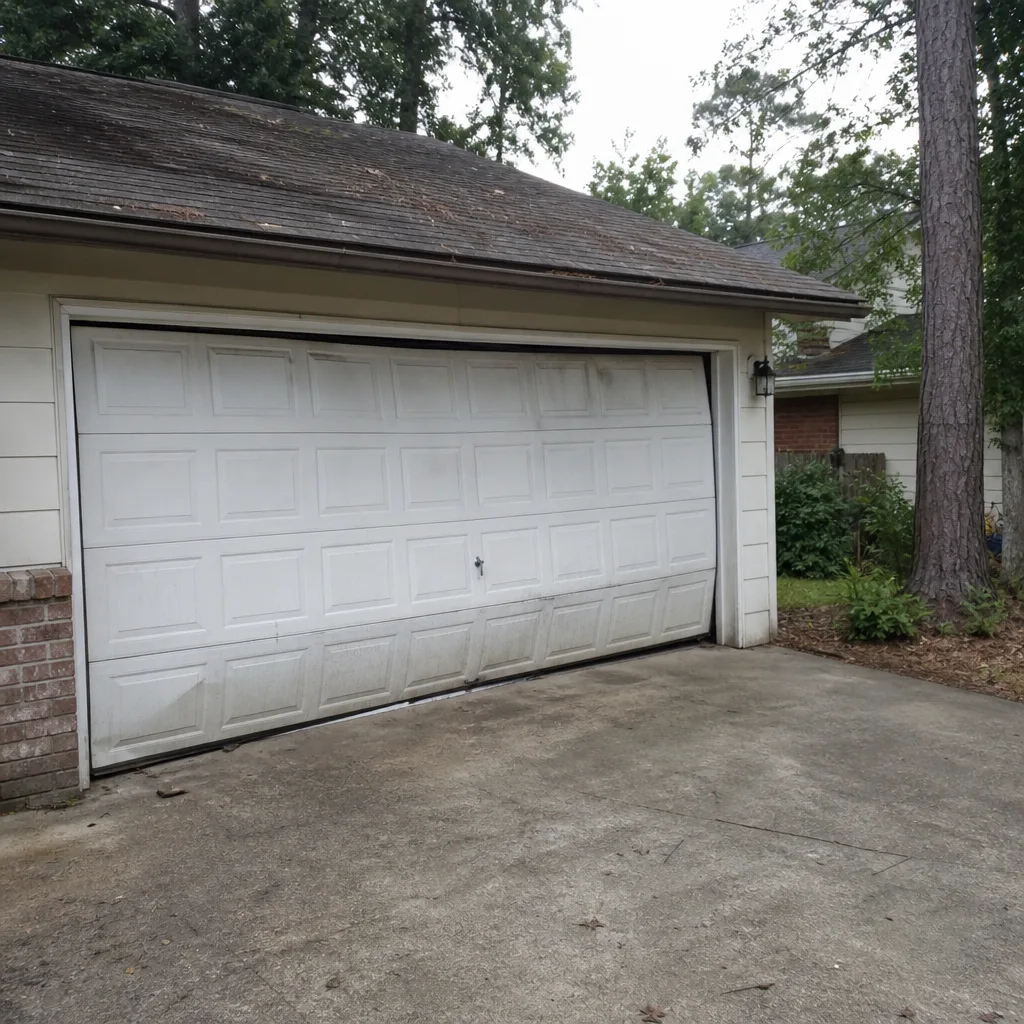 Before
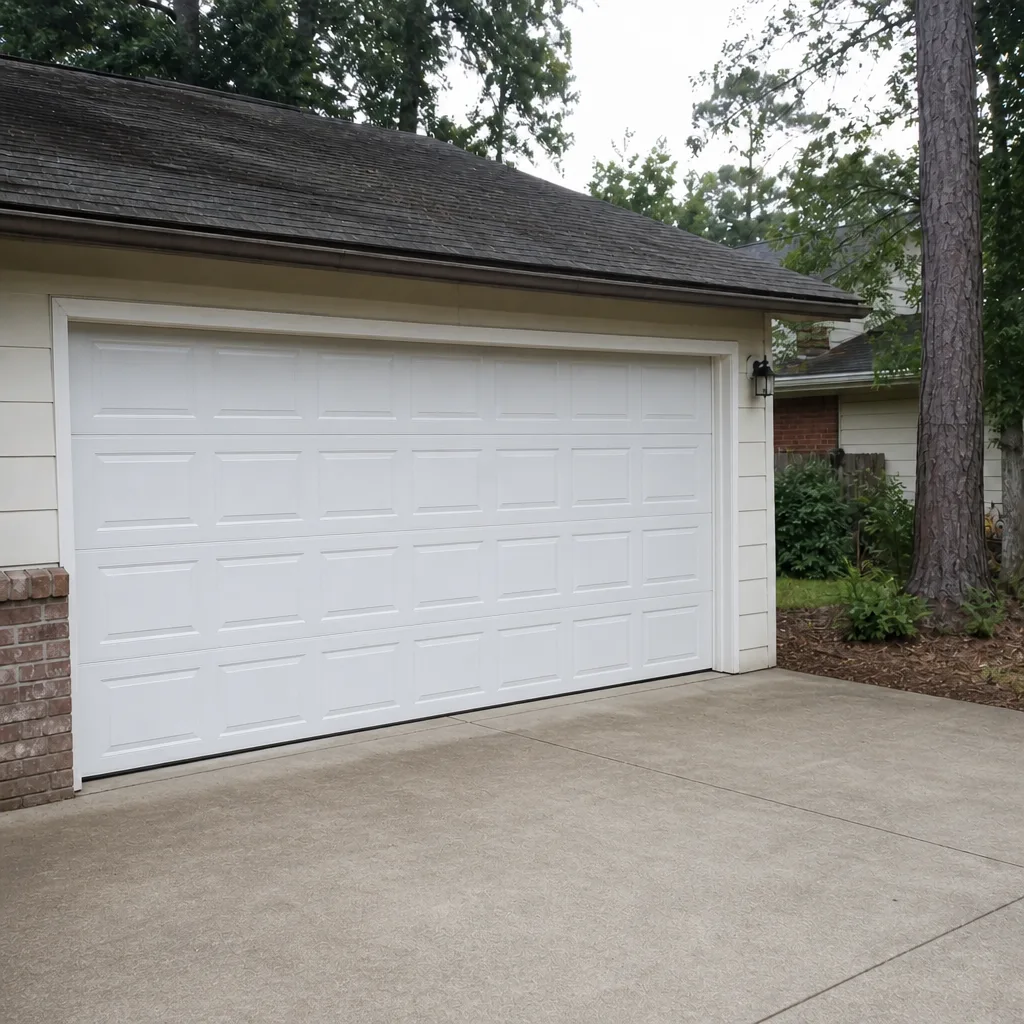 After
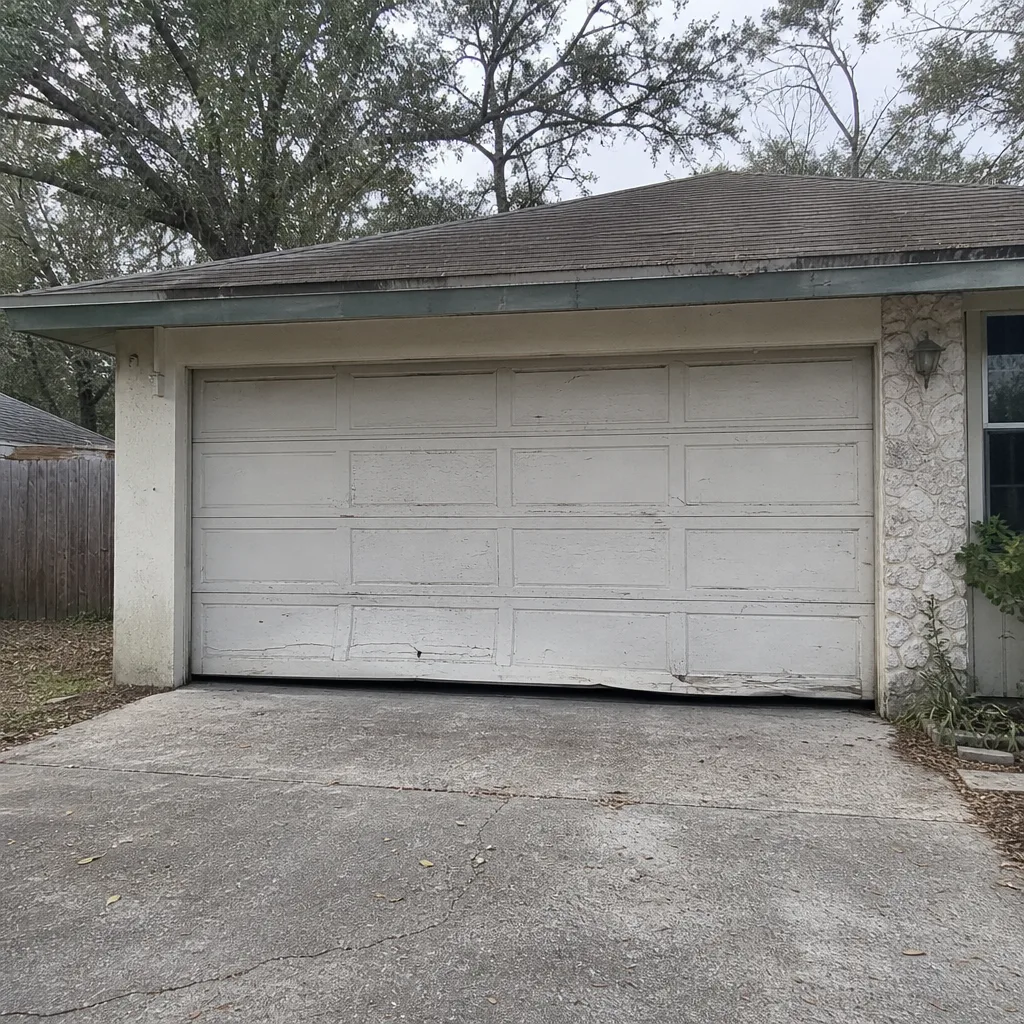 Before
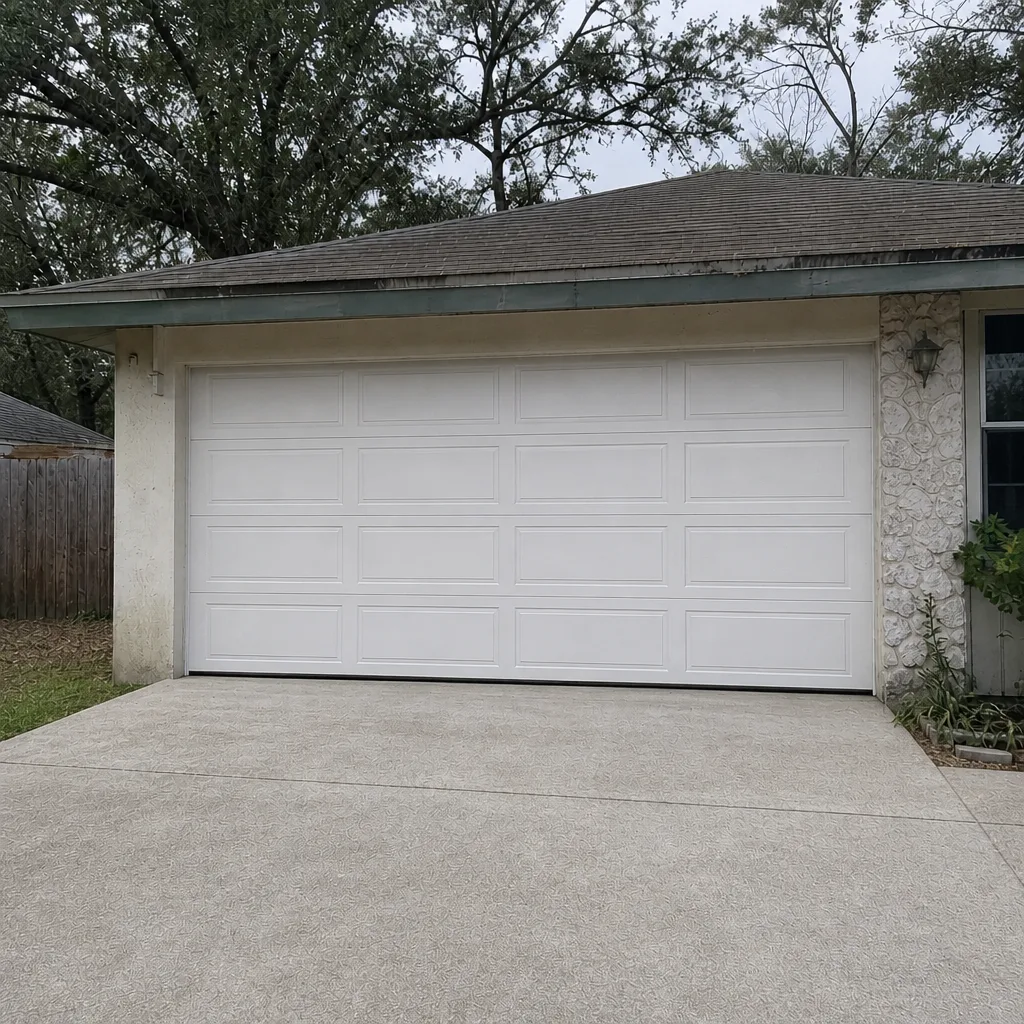 After
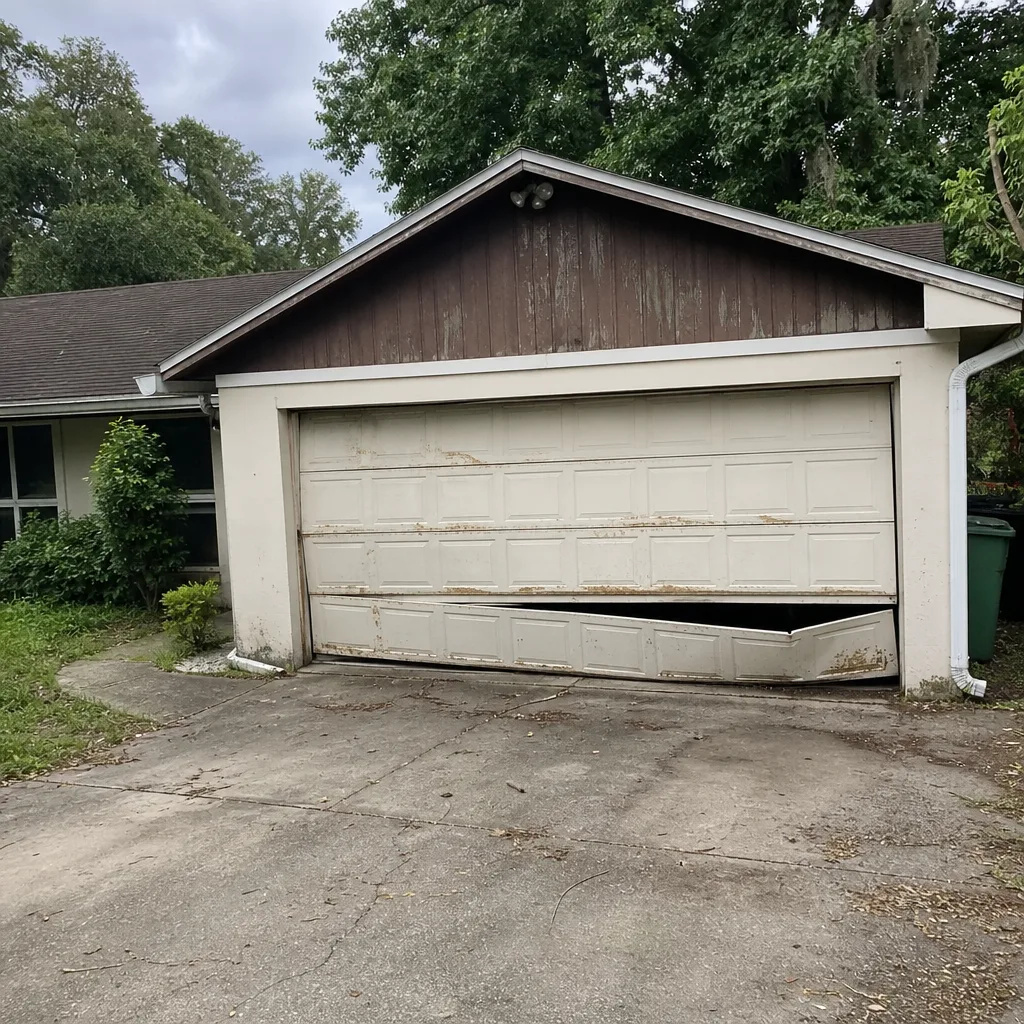 Before
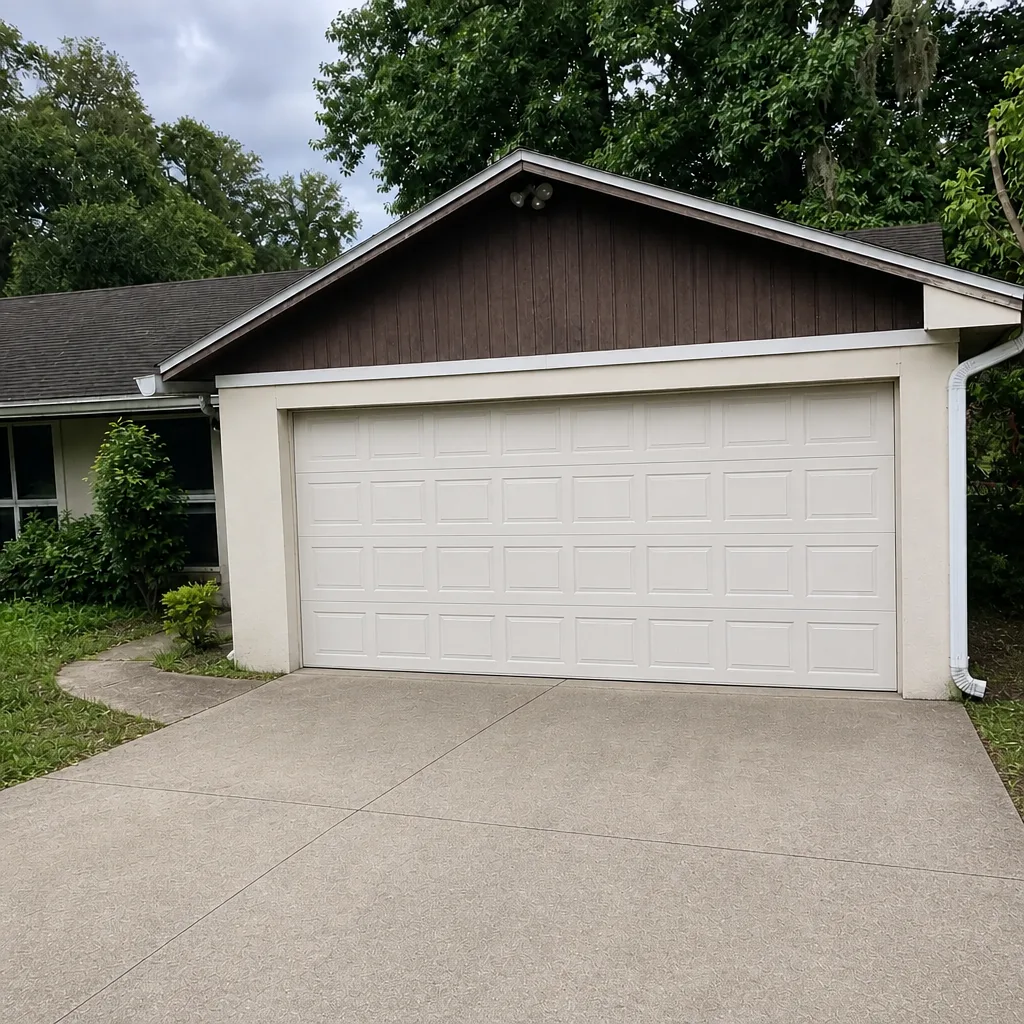 After
When to Call a Professional
Call a professional the moment you see a broken or frayed cable, hear a loud bang from the spring, notice the door won’t stay up, or watch it reverse before touching the floor. Those are the scenarios where continued use risks damage or injury, and they’re not the ones to watch. Also call if the door has started to lean, if a roller has come out of the track, or if the safety reverse no longer works when tested. For the smaller signs – squealing, rattling, slowing performance, a failed seal, mineral deposits on the tracks – schedule a repair rather than waiting for it to escalate. Holloway Garage Door Repair offers free estimates in Gainesville. Call (866) 389-5046, and we’ll tell you what you’re looking at and what it’ll take to fix it. The estimate is free, and the price is set in writing before any work begins.
Frequently Asked Questions
The most common sign we see is a door that’s gotten noticeably louder than it used to be – usually squealing or grinding from the rollers or a dry track. It’s a symptom of normal wear that gets accelerated by Gainesville’s humidity. It’s also one of the easiest problems to fix when it’s caught early. Call (866) 389-5046 if the sound has changed and the price is quoted before any work begins.
No. A door that reverses before touching the floor is telling you its safety sensors or spring tension are out of spec, and it shouldn’t be forced shut. The door is doing what it’s designed to do, but the components behind it need adjustment. Call (866) 389-5046 and describe what you’re seeing, so the technician arrives ready to diagnose the safety system. Estimates are free.
A door that moves unevenly, feels heavy by hand, or stalls near the top is usually a door problem: the springs have lost tension or a roller is binding. An opener that doesn’t respond to the remote or wall button, or that loses its memory, is usually an opener problem. If you’re not sure, describe the behavior over the phone. We answer 24/7, and fast dispatch from 7am to 7pm gets a technician to look at it.
Most repair work doesn’t involve a permit. For a full door replacement, rules vary, so it’s always worth checking with the City of Gainesville’s building department before scheduling the work. We’ll tell you what to ask. Call (866) 389-5046 with the door’s make and size, and we’ll give you an estimate on the replacement before you make any decisions.
That depends on the sign. A squeal, rattle, or slow seal leak usually gives you days or weeks. A broken or frayed cable, a loud bang from the spring, or a door that won’t stay up means stop using the door today. If you’re not sure which category you’re in, call and describe it. The estimate is free, and the price is set in writing before any work begins.
A worn roller squeals or grinds and is usually a simple replacement. A failing spring makes the door feel heavy, causes it to stall near the top, or produces a loud bang that stops the door entirely. The spring is the far more serious of the two, and it’s the one that needs a trained technician. Call (866) 389-5046 and we’ll sort out which one you have. Estimates are free.
The Bottom Line
Most garage door failures give you weeks of warning. The problem is that the signs show up as small annoyances – a squeal, a hesitation, a rattle, a faded seal – and homeowners get used to them. This guide is meant to break that habit. Learn the symptom-to-cause matrix, know your urgency tier, and remember that broken springs and frayed cables are stop-using-the-door signals, not watch-it signals. Gainesville’s humidity and hard water add their own marks to the list, which is why a seasonal visual inspection is worth the five minutes. Catch these signs early and the repair stays small.
If you’ve read this and something in your garage matches the list, call Holloway Garage Door Repair at (866) 389-5046. We answer 24/7, and fast dispatch from 7am to 7pm, Sunday through Friday, gets a technician out to look at it. Estimates are free, and the price is always quoted and agreed in writing before any work starts.
Written by the team at Holloway Garage Door Repair, serving Gainesville since 2017.