
Last updated November 14, 2026
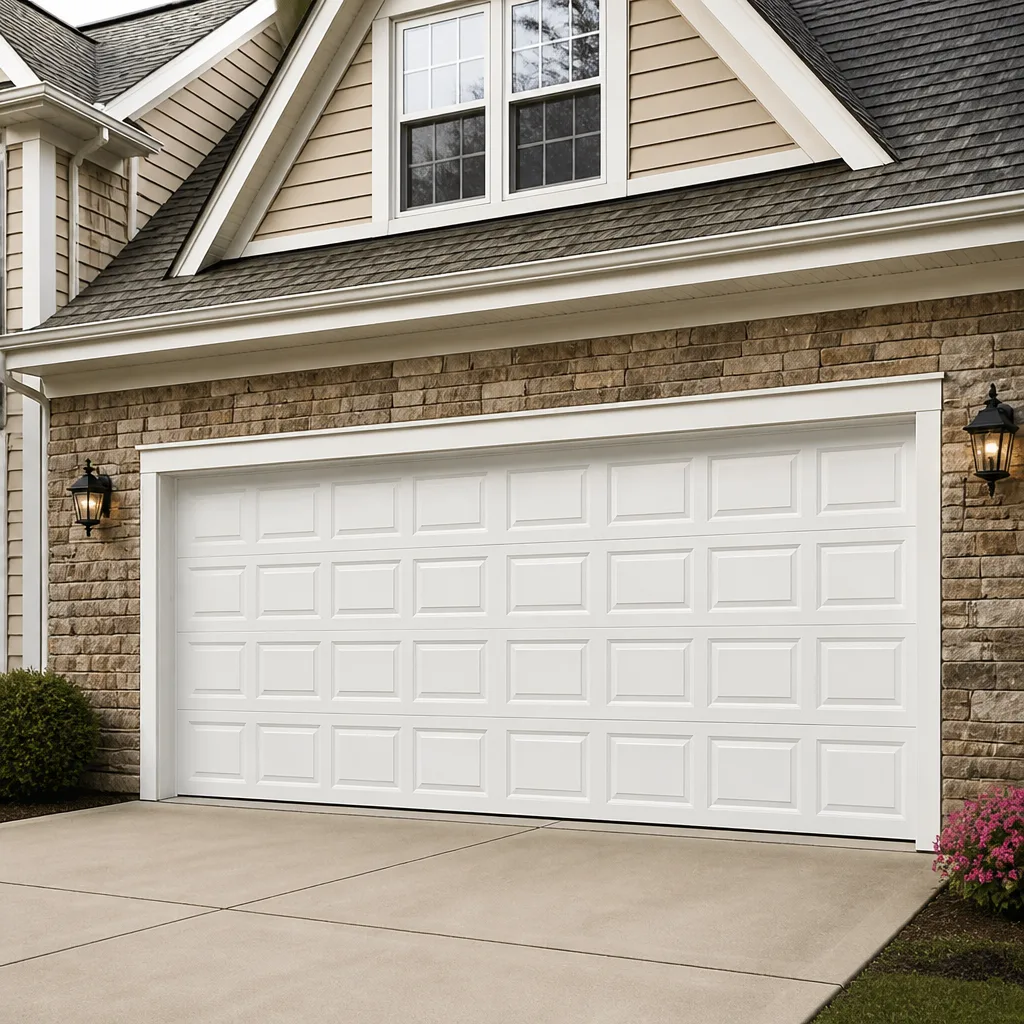 Raised-panel steel
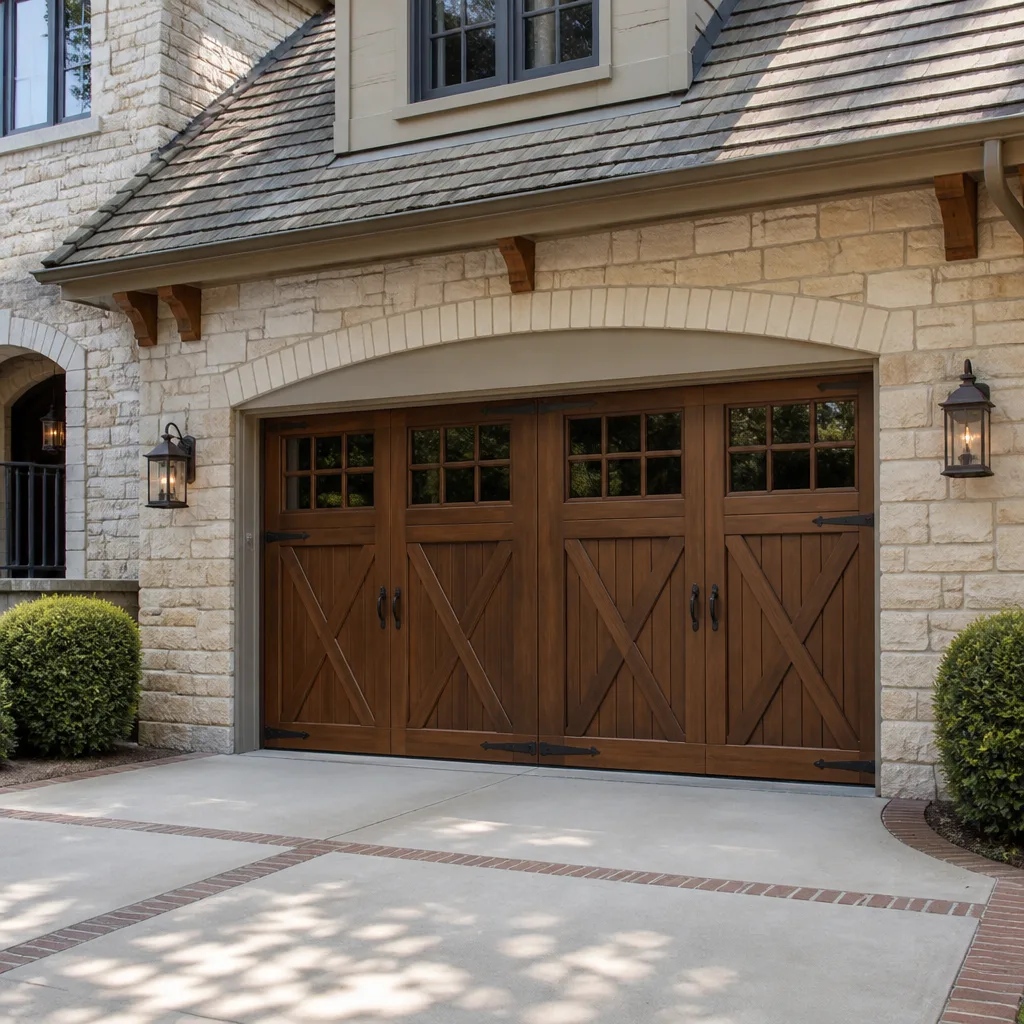 Carriage house
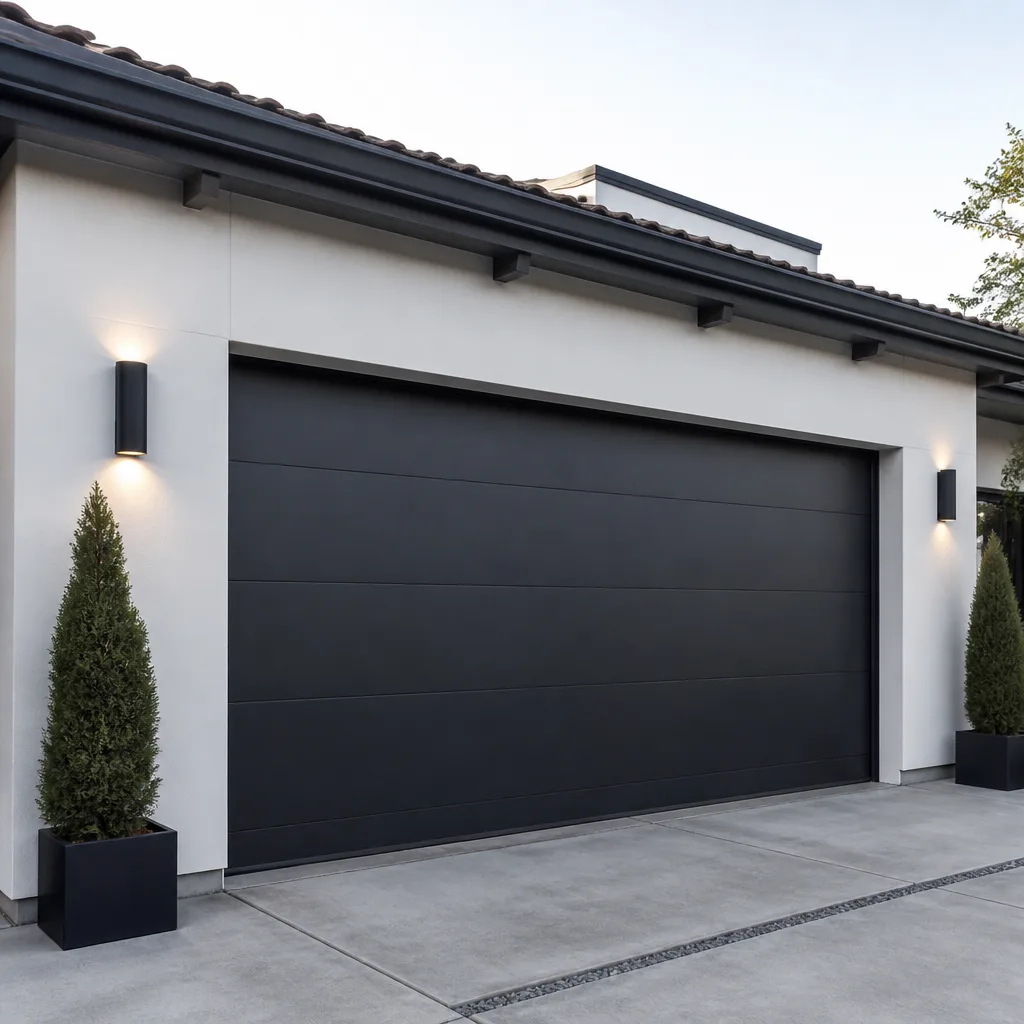 Modern flush
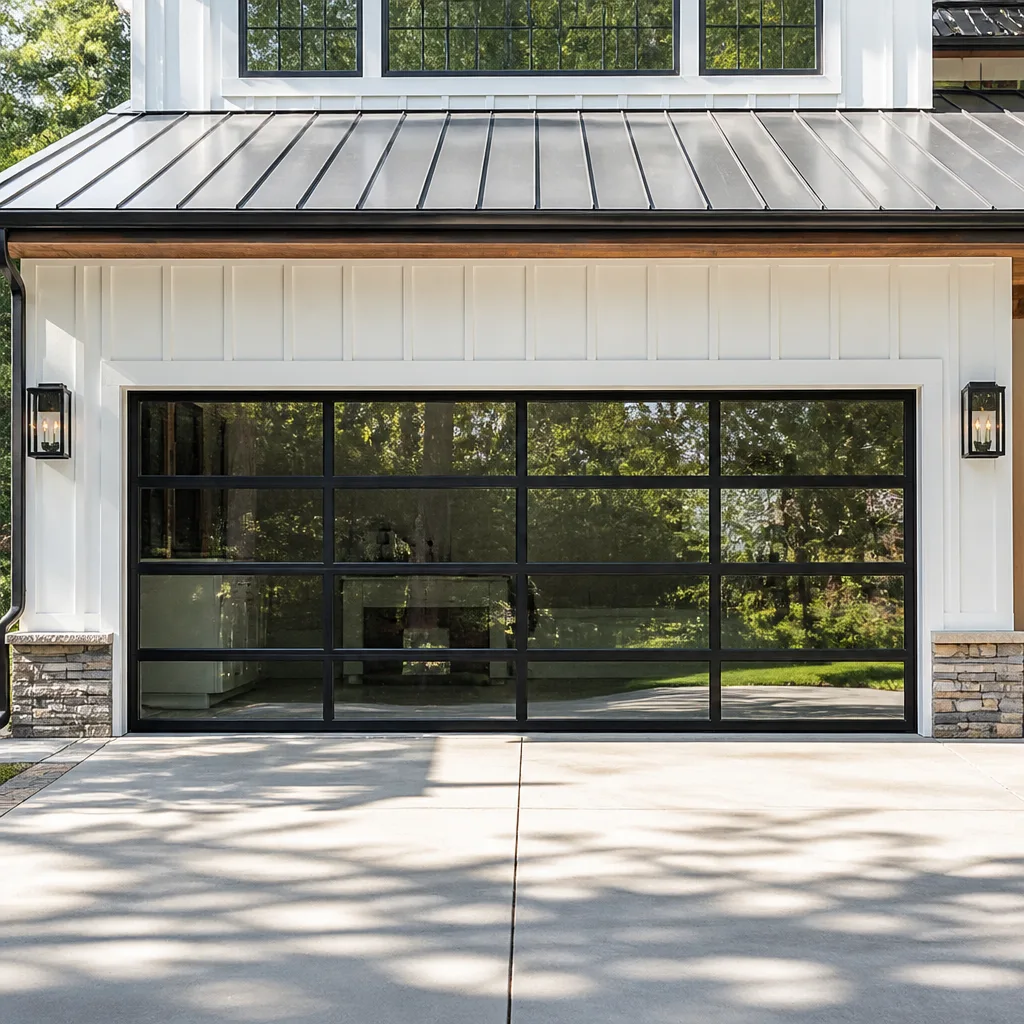 Full-view glass
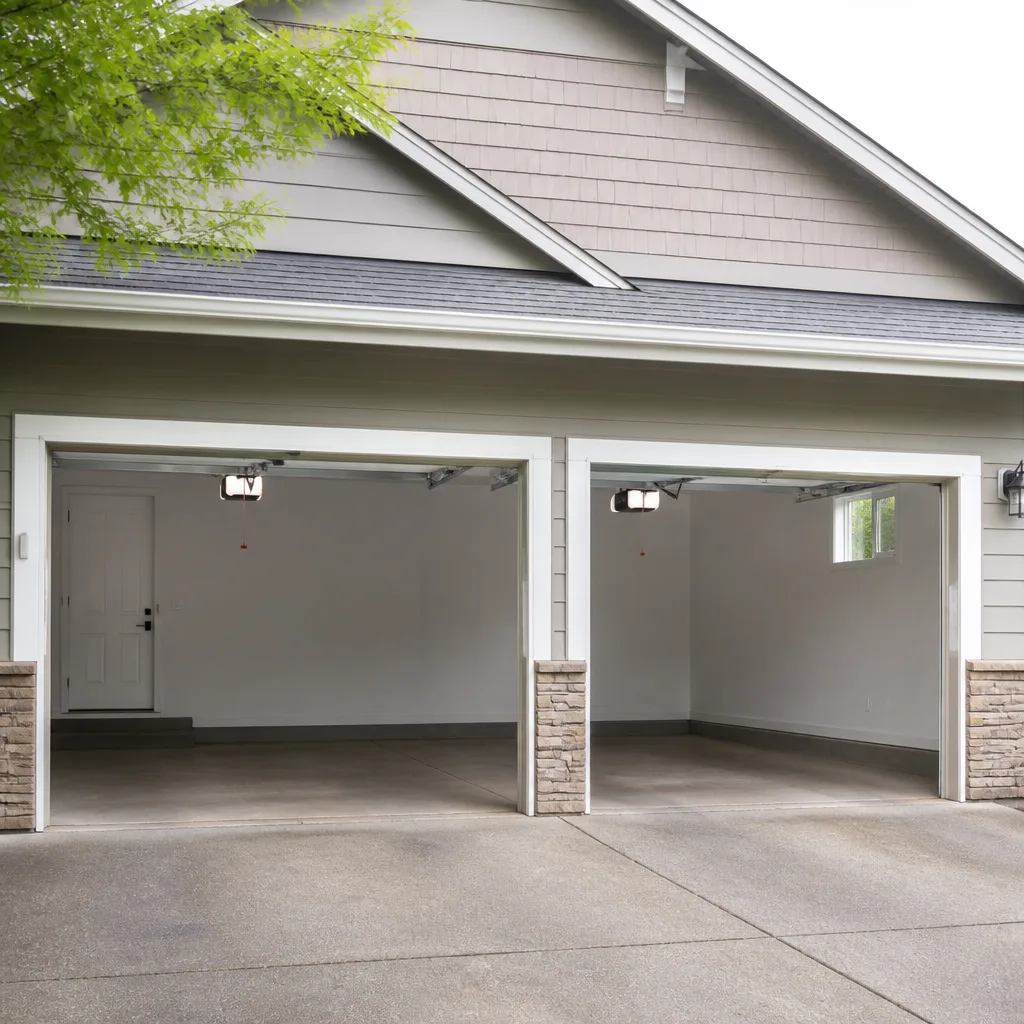 LiftMaster openers
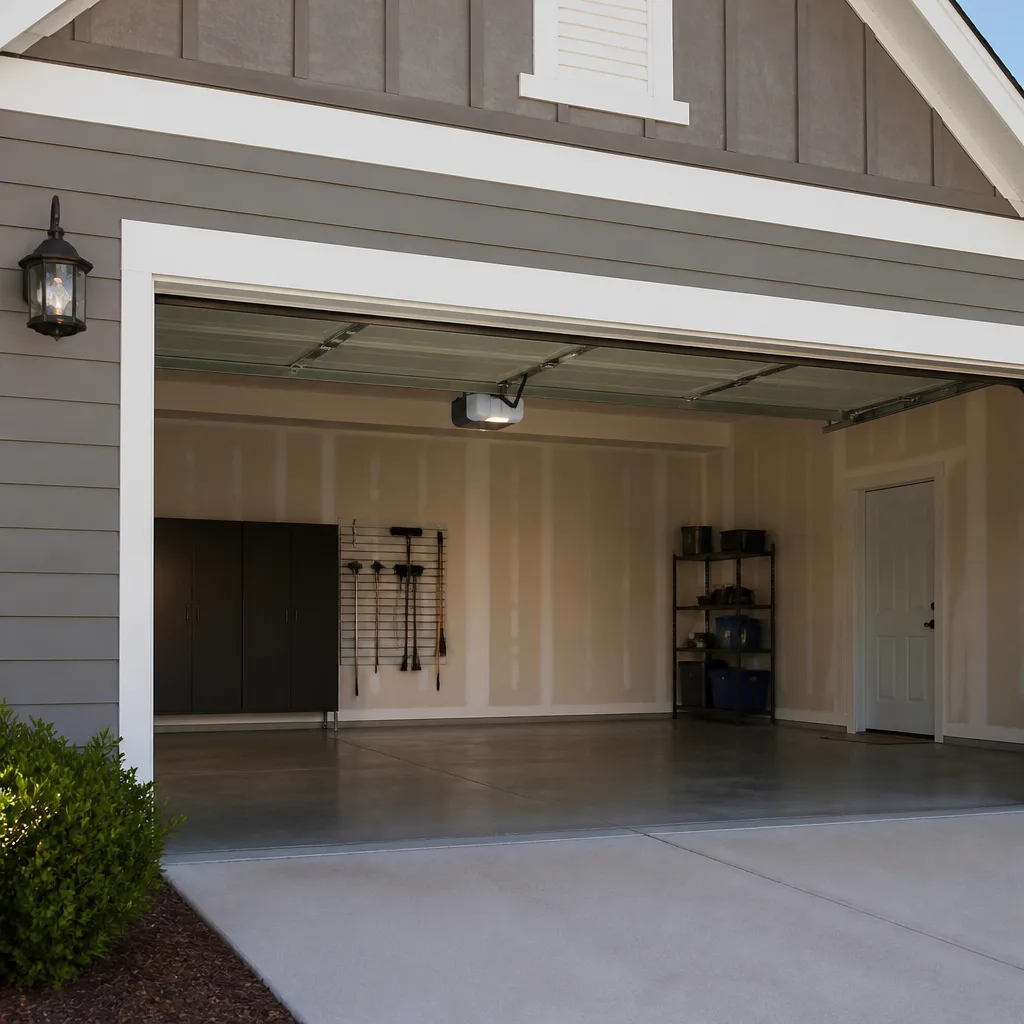 Chamberlain openers
Full 25-point door and opener safety check with every visit - springs, cables, rollers, tracks, and your LiftMaster or Chamberlain opener included
You get a price before we start. It does not change when the truck arrives.
Get your free estimateGarage Door Repair Troubleshooting in Gainesville: Common Problems and How to Fix Them
A door that reverses before it touches the floor and a door that won’t budge at all feel like two different emergencies. Most of the time they trace back to the same handful of root causes, and the sensor that tells the opener “something’s in the way” sits near the top of that list. Diagnose the symptom correctly and a simple adjustment stays simple. Diagnose it wrong and you end up paying for a repair you didn’t need. This guide maps the failures Gainesville homeowners call us about to the causes behind them, draws a clear line between what you can safely check yourself and what needs a trained technician, and shows you how to tell whether the trouble lives in the opener, the hardware, or the door itself.
Quick Answer
Most garage door problems in Gainesville come down to one of five causes: misaligned safety sensors, worn rollers or dry hinges, a failing spring, a track knocked out of alignment, or an opener that’s losing its logic board or remote signal. You can safely check sensors, tracks for visible bends, and remote batteries yourself. Springs, cables, and any work that requires loosening a torsion assembly belong to a trained technician. Reading the symptom before you call usually means the technician arrives knowing what to bring, which shortens the visit and keeps the estimate accurate.
Styles & brands we work with
- Raised-panel steel
- Carriage house
- Modern flush
- Full-view glass
- LiftMaster openers
- Chamberlain openers
Table of Contents
- The Symptom-to-Cause Matrix
- How Gainesville Humidity Shortens the Life of Your Hardware
- Is It the Opener, the Hardware, or the Door? Test It Yourself
- What Your Opener’s Error Codes Actually Mean
- Safe Checks vs. Specialist-Only Work
- Springs and Cables: Why These Are Not Homeowner Repairs
- When to Call a Professional
- Frequently Asked Questions
The Symptom-to-Cause Matrix
Before you pick up the phone, match what the door is doing to the most likely cause. In our experience, the symptom almost always narrows the diagnosis to one or two parts, and that’s true whether you’re in a newer subdivision off Archer Road or an older block near downtown Gainesville. Here’s how the most common failures line up.
- Door reverses before hitting the floor: Almost always the safety sensors. Either they’re out of alignment, the lens is dirty, or something is blocking the beam. Occasionally a travel-limit setting on the opener.
- Door won’t open at all and the opener hums: The opener motor is running but the drive isn’t engaging. Could be a stripped gear, a broken trolley, or a snapped lift cable.
- Door opens unevenly, tilting to one side: A worn or broken spring on one side, a stretched cable, or a roller that’s jumped the track. This one needs a technician because a tilting door puts uneven load on the whole system.
- Grinding or scraping noise during travel: Usually dry or worn rollers, a hinge that’s lost its lubrication, or a track that’s bent out of line. Metal-on-metal grinding points to a roller that’s seized.
- Door opens a few inches and stops: Often a travel-limit or force-setting issue on the opener, or a binding track. On Chamberlain, LiftMaster, and Craftsman units this frequently pairs with a specific error code (covered below).
- Door closes then immediately reopens: Sensor beam interrupted, or the close-force limit is set too light for the door’s weight.
- Remote or keypad works intermittently: Dead battery, antenna wire knocked loose, or interference from an LED bulb in the opener housing. Rarely the logic board.
One symptom can point to two different parts, and that overlap is exactly where homeowners get talked into the wrong repair. A grinding noise that sounds like a spring problem can be four dry rollers. A door that reverses might need a $20 sensor adjustment, not a new opener. Naming the symptom correctly before anyone arrives is the single best protection against paying twice for the same problem.
How Gainesville Humidity Shortens the Life of Your Hardware
Gainesville’s warm, humid air is the quiet factor behind a lot of hardware wear that homeowners mistake for spring failure. Garages here sit in a climate where the air holds moisture most of the year, and that moisture settles on bare metal. The result is surface rust on steel tracks, hinges, and roller stems long before those parts would fail in a drier region. When we open a door that’s been in a Gainesville home for a decade, the tracks usually show oxidation along the verticals and the rollers have a gritty feel that a drier climate wouldn’t produce.
What does that rust actually feel like to the homeowner? The door gets louder as it moves. It shudders slightly on the way up. Sometimes it stalls partway and reverses, which reads like a sensor problem but is really friction. Those symptoms get misdiagnosed as a failing spring all the time, and replacing a spring that was fine doesn’t fix the grinding.
The fix is usually inexpensive: clean and lubricate the hinges, rollers, and track with a garage-door-rated lubricant, and replace rollers that have seized. A dry hinge or a rusted roller stem adds resistance the opener has to fight, which wears the opener motor faster too. Left alone, that added strain is what shortens the opener’s life, not the spring. If your door sounds louder than it used to and nothing else has changed, look at the rollers and hinges before you suspect the spring.
Humidity also works on the wood or composite panels of older doors. Paint that’s peeling at the bottom edge lets moisture wick into the panel, and over a few seasons the panel can warp enough to bind against the track. If a door rubs on one side only, look for swelling at the panel edge before you assume the track moved.
Is It the Opener, the Hardware, or the Door? Test It Yourself
This is the step most troubleshooting guides skip entirely, and it’s the one that saves the most money. You can separate an opener problem from a door problem in a few minutes using the manual release, and you don’t need any tools beyond the pull cord that came with the opener.
- Close the door and pull the manual release cord. This disconnects the door from the opener’s trolley so the door moves freely by hand.
- Lift the door by hand, about halfway. A balanced door should lift with modest effort and hold its position when you let go. A door that feels extremely heavy or won’t stay up points to a spring or balance problem, not the opener.
- Listen while you move it. Grinding, scraping, or squealing by hand means the noise is in the door’s hardware, not the opener.
- Watch the door travel in the track. A door that binds or jumps on one side has a track or roller issue.
- Reconnect the trolley and run the opener. If the door moved smoothly by hand but sounds bad when the opener drives it, the problem lives in the opener or its settings.
That five-step test tells you which system to point the technician toward. It also keeps you from buying a new opener when a $40 set of rollers would have solved it, or replacing hardware when the opener’s logic board is the actual fault. We work on the brand you already have, whether that’s a Genie unit from a 2000s build or a LiftMaster installed last year, and the disconnect test is the same for all of them. If you’d rather not run the test yourself, our garage door opener repair team can do it on-site during the free estimate.
What Your Opener’s Error Codes Actually Mean
Chamberlain, LiftMaster, and Craftsman openers share the same underlying electronics, so the error codes you’ll see across those three brands are nearly identical. Here’s the plain-language translation, and what each one usually points to.
- Rapid flashing light (5 flashes, pause, repeat): Safety sensor problem. The beam is blocked, the sensors are misaligned, or the wiring to one sensor is loose. Check for obstructions first, then look at whether both sensor LEDs are lit and steady.
- Opener light blinks 10 times: The door is binding or the force setting is too low. In Gainesville this often means a dry hinge, a rusty roller, or a track out of alignment – the door is fighting the opener and the opener is shutting down to protect itself.
- Opener runs but door doesn’t move: The trolley is disconnected, the drive gear is stripped, or the manual release was left engaged. Check the release first before assuming a gear failure.
- Opener beeps and won’t close: The close-force limit is tripping, usually because the door’s travel is restricted. Could be a sensor, could be a binding track. The disconnect test above tells you which.
- Remote works only up close: Weak remote battery, a loose antenna wire, or LED bulb interference. Try a fresh battery and a different bulb before calling for a service visit.
These codes aren’t a diagnostic verdict on their own. They tell you which system is unhappy, not which part failed. A 10-blink code could be the hinges, the rollers, the track, or the door’s balance, and the only way to know is to look at the door by hand with the opener disconnected. If you’re not comfortable running that test, that’s the point to call. We service these three brands frequently and can decode the diagnostic lights on-site.
Safe Checks vs. Specialist-Only Work
The line between “check this yourself” and “call a technician” isn’t about how handy you are. It’s about stored mechanical energy. A torsion spring under load holds enough force to cause serious injury if it releases unexpectedly, and no amount of homeowner experience makes that safe to handle. Here’s where the line sits.
Safe for a homeowner to check:
- Safety sensor alignment, lens cleanliness, and whether the sensor LEDs are lit
- Visible bends or dents in the track, checked by eye with the door closed
- Remote and keypad batteries
- The manual disconnect test described above
- Whether the door is balanced when moved by hand
- Lubricating hinges, rollers, and the track with a garage-door-rated lubricant
Specialist-only work – do not attempt:
- Adjusting, removing, or replacing torsion springs or extension springs
- Touching cables under tension, or adjusting cable drums
- Loosening or removing the bottom bracket, which holds cable tension
- Removing the door from its tracks to replace panels on a loaded door
- Replacing a torsion tube or center bearing plate
Once a spring, cable, or bottom bracket is involved, the stored energy is the hazard. A door with a broken spring can weigh well over a hundred pounds, and the moment you try to lift it by hand the full weight is on you. That’s a job for a trained technician with the right winding bars and the right sequence. Everything on the safe list you can do without risk, and it’s genuinely useful – a clean sensor lens or a lubricated hinge resolves a surprising share of the problems Gainesville homeowners call about.
Springs and Cables: Why These Are Not Homeowner Repairs
Springs and cables come up in nearly every troubleshooting conversation, so let’s be clear about why they stay in professional hands. A torsion spring is wound to hold the door’s entire weight in balance. That stored force is what lets a 150-pound door lift with modest effort, and it’s also what makes release dangerous. Cables run alongside the springs under the same load, and the bottom bracket anchors them. There is no safe way to inspect or adjust a spring or cable by hand while it’s under tension.
What you can do is recognize the symptoms that point to a spring or cable problem and leave the diagnosis to a technician:
- A loud bang from the garage followed by a door that won’t lift by hand
- A visible gap in the spring coil, or a spring that’s clearly in two pieces
- The door lifts a few inches and stops, or sags on one side
- A cable hanging loose on one side, or frayed cable strands
- The door feels very heavy when you try to lift it with the opener disconnected
If you see any of these, stop operating the door and call. Running an opener against a broken spring strains the motor and can bend the tracks. Springs are typically replaced as a matched pair, so the price for one spring is roughly half the price for the pair that’s usually installed together – any estimate should tell you which it’s quoting. If you’re in doubt about what you’re seeing, that’s exactly when a call makes sense. Our garage door repair technicians handle spring and cable work as standard, and the written estimate sets the price before any work starts.
When to Call a Professional
Call a professional the moment a symptom reaches the spring, cable, or bottom bracket, or when the disconnect test points to a part you can’t safely replace. Also call if the door reverses unpredictably, tilts while traveling, or the opener throws an error code after you’ve checked the obvious causes. Those patterns point to parts that need to be matched to the brand and model already in your garage, and a wrong part fit is how a small repair turns into a second service call.
Holloway Garage Door Repair offers free estimates in Gainesville. Call (866) 389-5046. We answer 24/7, and fast dispatch runs from 7am to 7pm, Sunday through Friday. Garage doors are all we do, so the technician who arrives has seen your brand and model many times before. From a stuck spring to a full new door, Holloway stands behind every repair.
See the difference
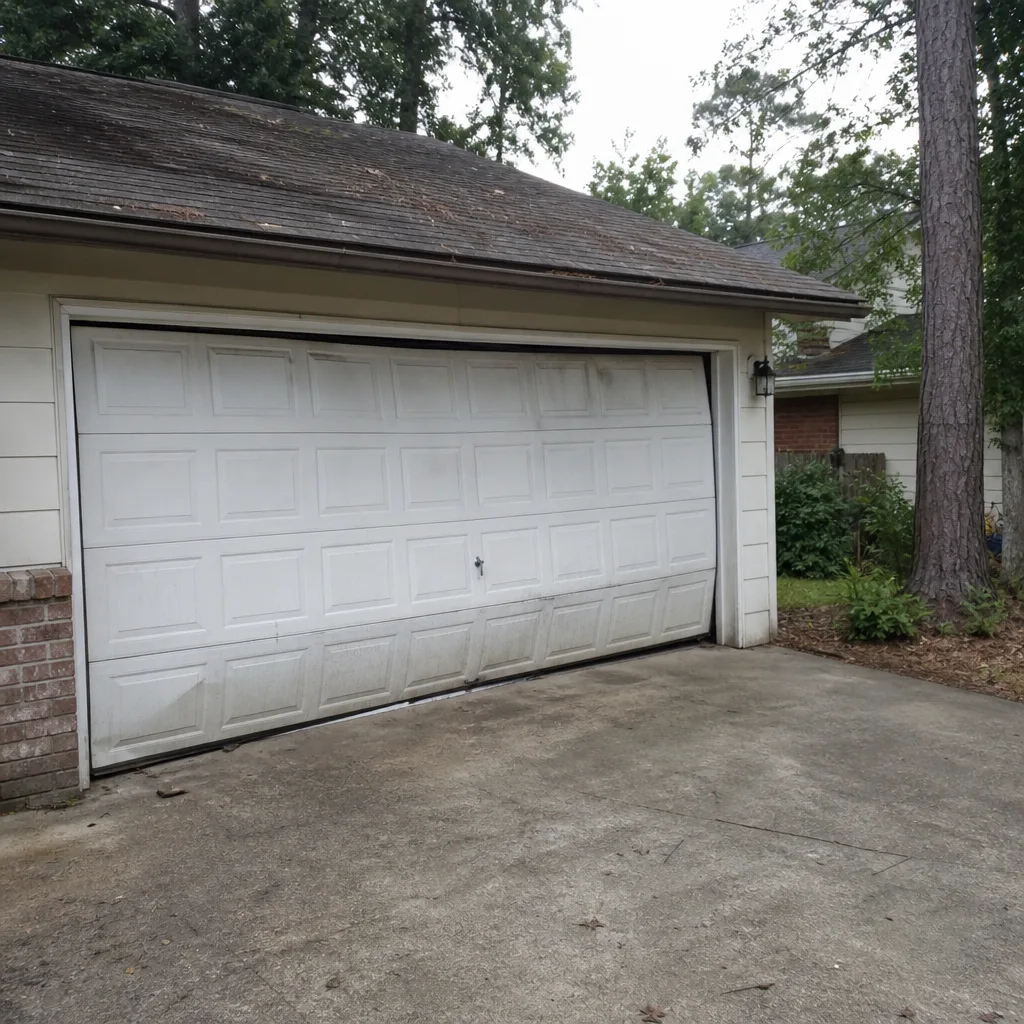 Before
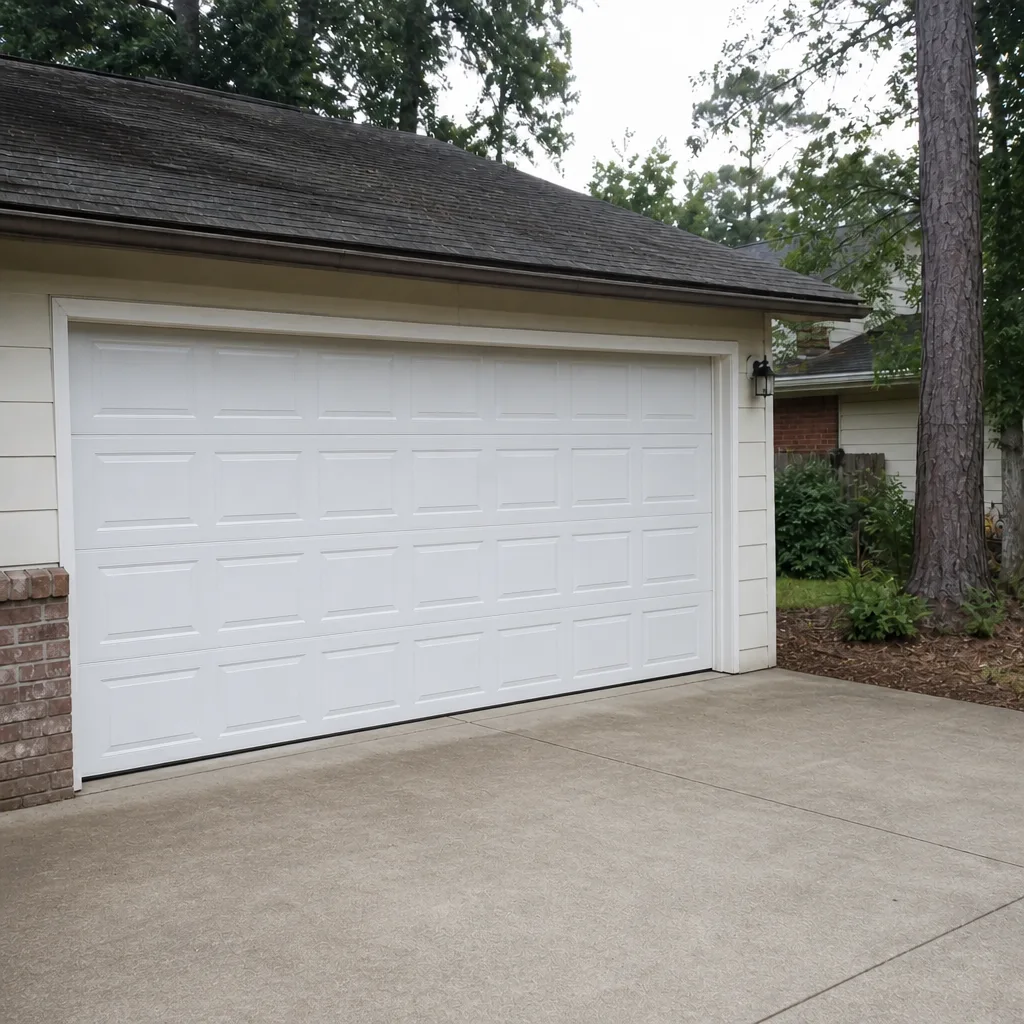 After
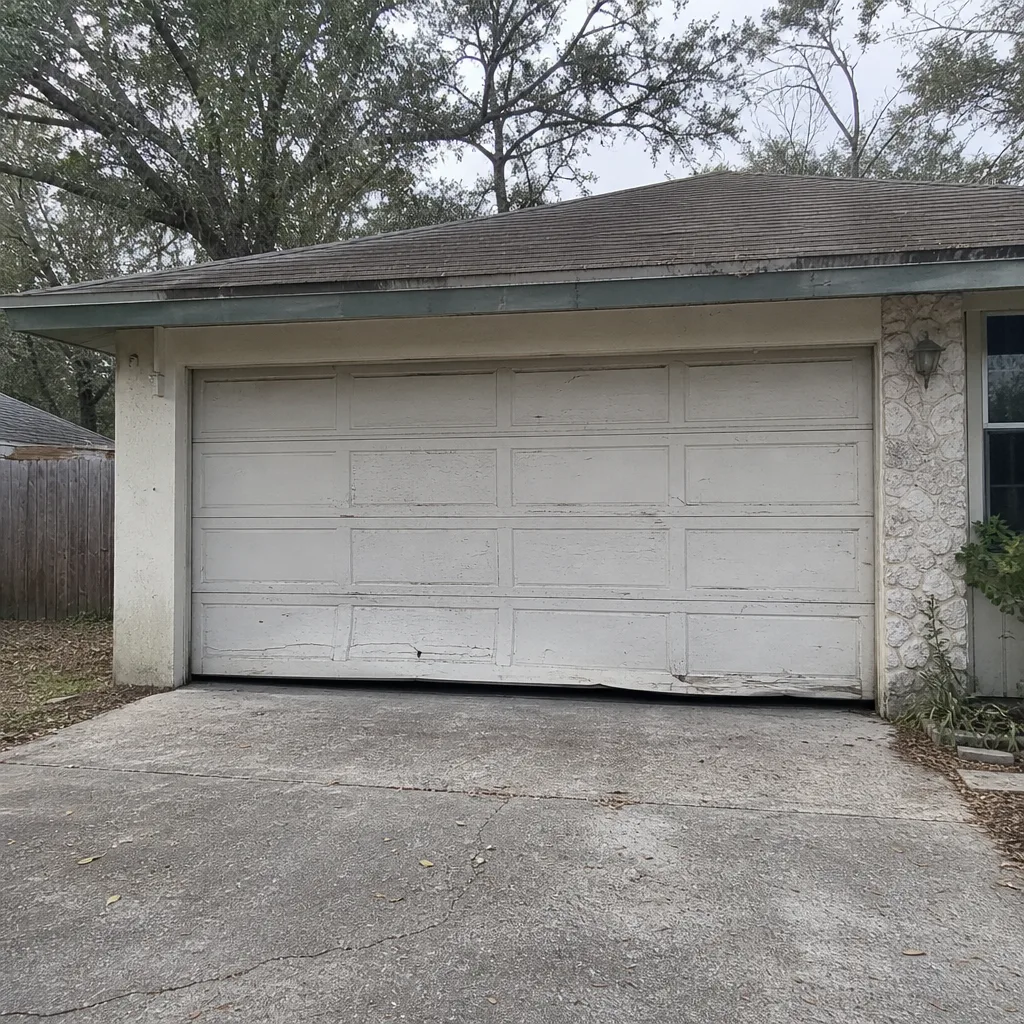 Before
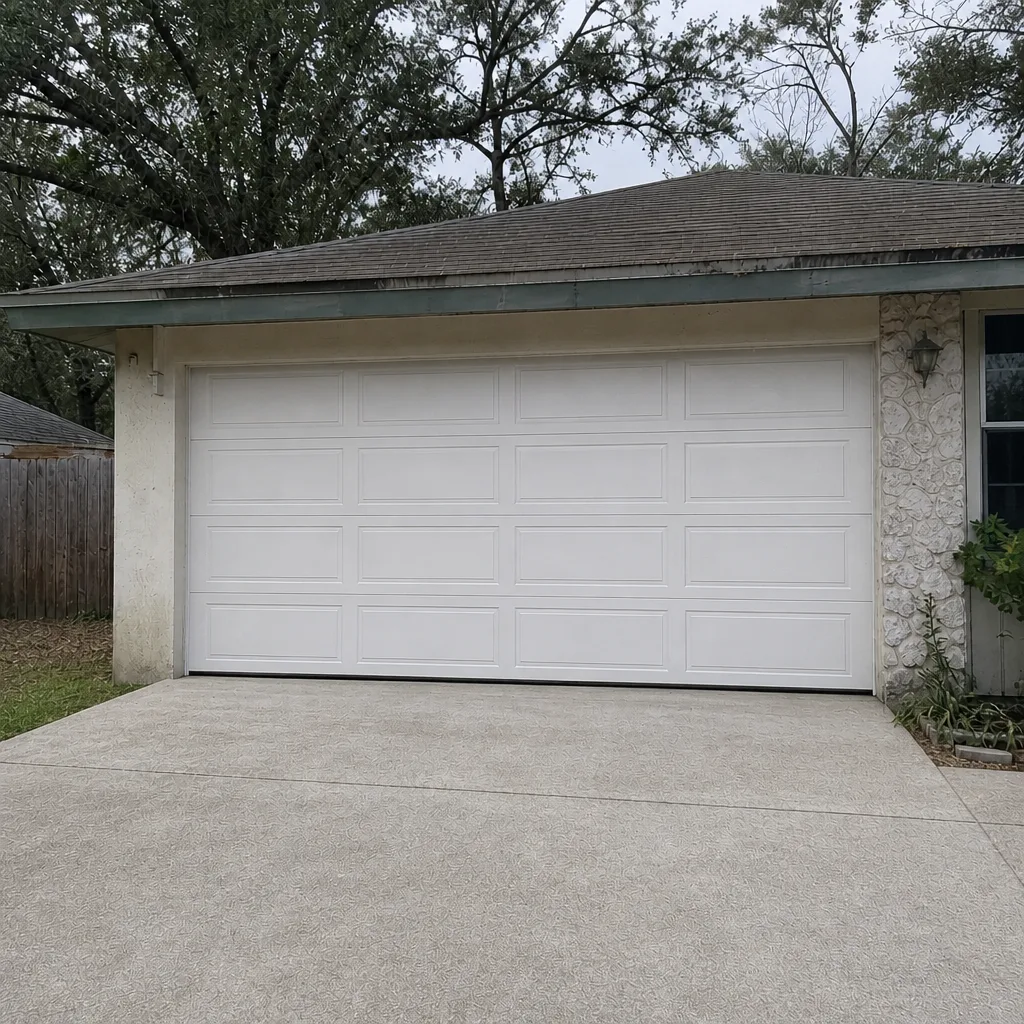 After
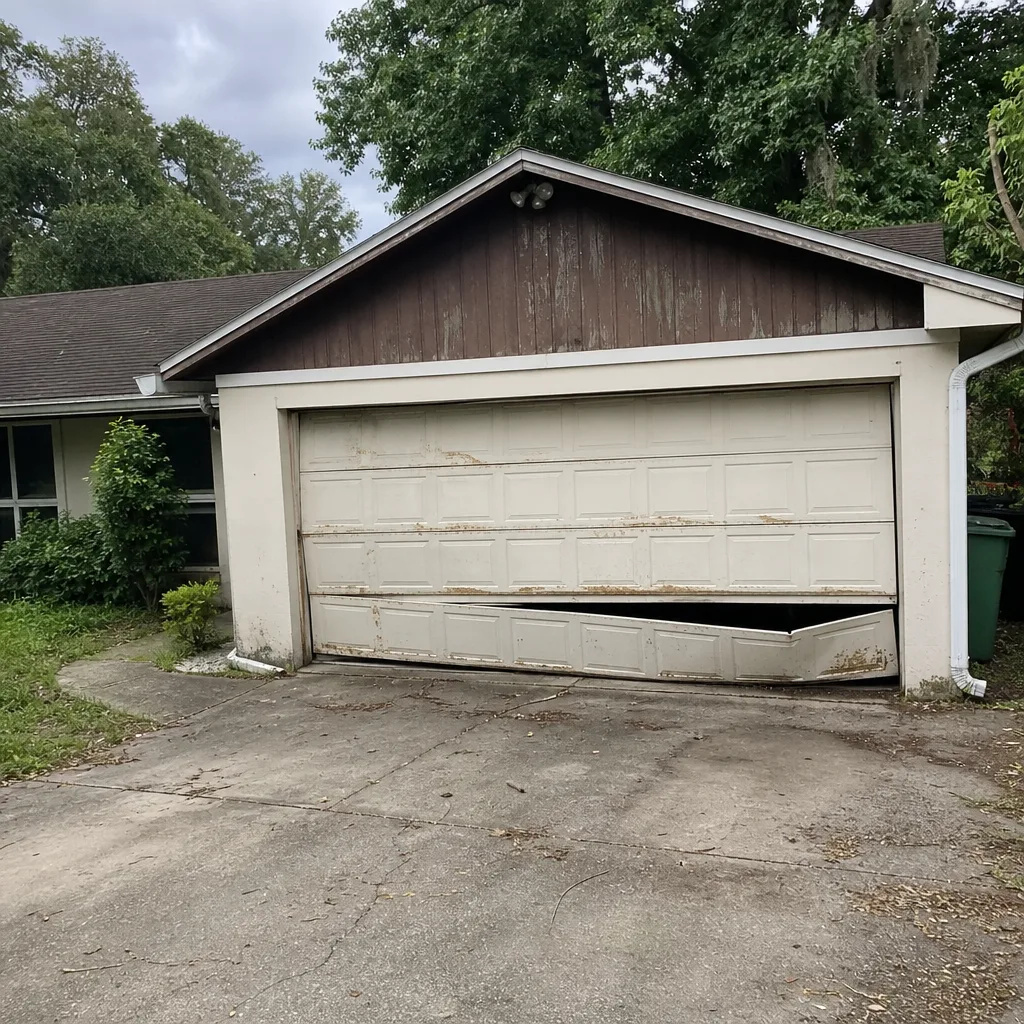 Before
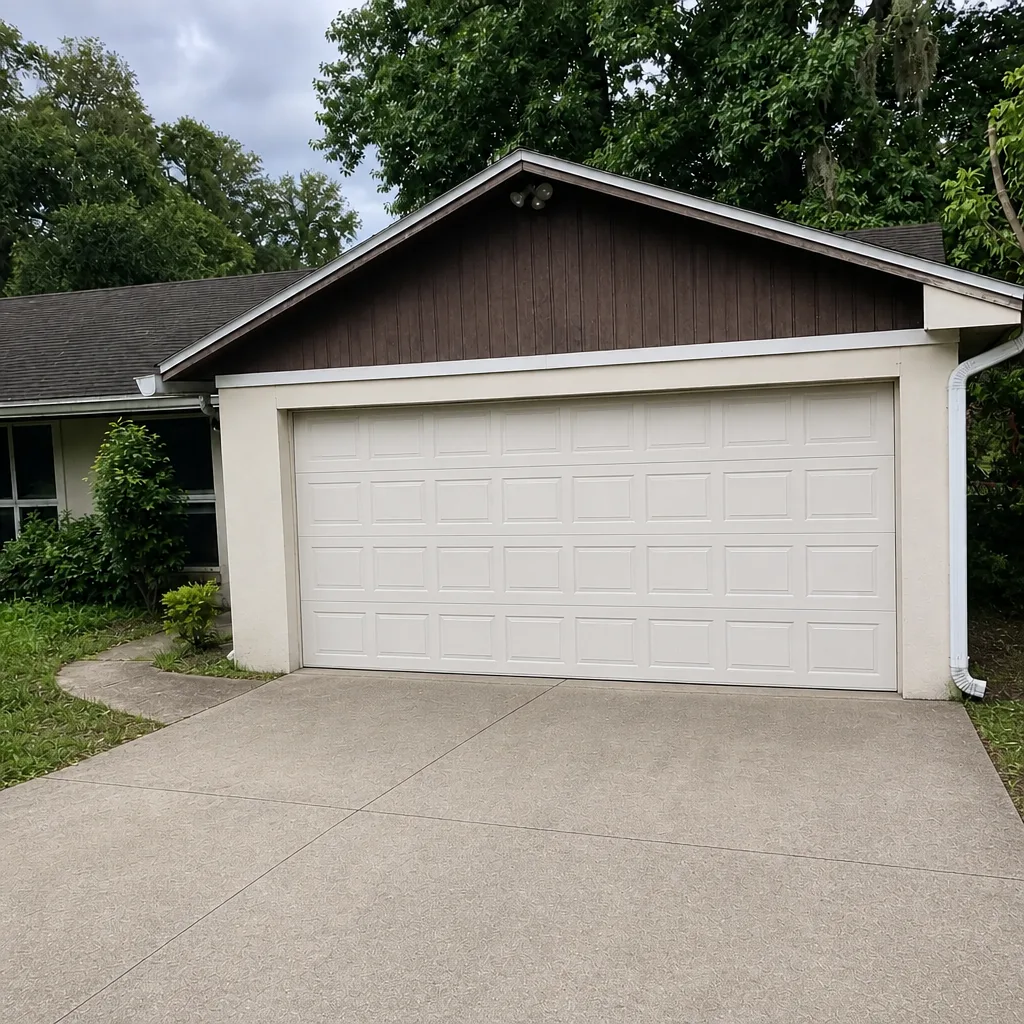 After
Common Mistakes to Avoid
- Replacing the opener when the door is the problem. If the door binds by hand, a new opener will stall on the same binding door. Run the disconnect test before you buy anything.
- Spraying WD-40 on the track. It’s a solvent, not a lubricant, and it attracts grit that makes rollers seize faster. Use a garage-door-rated lubricant on hinges and rollers, and keep the track itself clean and dry.
- Assuming a spring failure when the door just needs lubrication. In Gainesville’s humidity, a grinding door is often four dry hinges. Look and listen before you assume the worst.
- Adjusting the opener’s force setting to “fix” a binding door. Cranking up the force lets the opener push through a problem that will eventually break a panel or a track. Find the binding, don’t overpower it.
- Ignoring a track that’s been nudged out of alignment. A car bumper tapping the track on the way in is common. A bent track rubs the rollers, and the wear compounds over months.
- Buying a replacement remote without checking the opener’s model. Openers from different manufacturers use different frequencies. We work on the brand you already have, so a quick call confirms the right remote before you order.
- Putting off sensor adjustments because “it still closes sometimes.” An intermittent sensor is the leading cause of a door reversing unexpectedly, and it’s the cheapest fix on this list.
Frequently Asked Questions
The safety sensor beam is interrupted or misaligned. Check that both sensor lenses are clean, that the LEDs on both are lit and steady, and that nothing (a broom, a bag of soil, a recycling bin) is blocking the beam. If both sensors are lit and clear and the door still reverses, the opener’s close-force setting or travel limit may need adjustment, which is worth having a technician check. Call (866) 389-5046 for an exact quote; estimates are free.
Most repairs are quoted per job after the technician inspects the door, and the written estimate sets the final price before any work starts. Simple sensor adjustments and roller replacements sit at the low end. Spring replacement costs more, and because springs are usually replaced as a matched pair, expect the pair to cost roughly twice the price of a single spring. If you’re wondering what your repair will run, call for a free estimate on-site. Call (866) 389-5046. We answer 24/7.
For repair calls, yes in most cases – fast dispatch runs from 7am to 7pm, Sunday through Friday, and same-day service is common. We answer 24/7, and a call outside dispatch hours is booked into the next opening, Sunday through Friday, 7am to 7pm. For a new door or full replacement, the visit is a free measure and a written price rather than a same-day install. Call (866) 389-5046 to get on the schedule.
Dry or worn rollers and hinges are the usual cause, and Gainesville’s humidity accelerates the rust that produces it. Lubricate the hinges and rollers with a garage-door-rated lubricant and see if the noise quiets. If it persists, a roller may have seized or the track may be out of alignment. A grinding door left alone wears the opener motor. Call (866) 389-5046 to have a technician look at it; estimates are free.
No – the price is quoted and agreed before any work starts, and the written estimate is the price. We diagnose the door on-site, explain what we found and what it takes to fix it, and you decide before we begin. That’s how Holloway’s name stays on every job we do. Call (866) 389-5046 for a free estimate.
For common repairs – rollers, hinges, sensors, and standard opener components – yes, we stock the parts our technicians need most often, so many repairs are completed in a single visit. Less common parts, like a specific panel or a particular opener model’s component, may need to be ordered, and we’ll tell you the timeline at the estimate. For anything brand-specific, call first so we can confirm fit. Call (866) 389-5046. Fast dispatch from 7am to 7pm, Sunday through Friday.
The Bottom Line
Most garage door problems in Gainesville come down to a short list: misaligned sensors, dry or rusted hardware, a track knocked out of line, a failing spring, or a tired opener. The disconnnect test is the single most useful thing you can do before calling – it tells you whether the trouble is in the opener, the hardware, or the door itself. Springs, cables, and bottom brackets stay in a technician’s hands because the stored energy isn’t safe to handle. Everything else, you can check yourself. When the diagnosis points to a repair, call Holloway Garage Door Repair at (866) 389-5046 for a free estimate. We answer 24/7, with fast dispatch from 7am to 7pm, Sunday through Friday, and we’ll work on the brand you already have. Holloway Garage Door Repair has served Gainesville since 2017, and garage doors are all we do. For opener-specific troubleshooting, start with garage door opener repair, and for everything else our garage door repair team is ready. You can reach the main Holloway Garage Door Repair line at (866) 389-5046 for a free estimate.
Written by the team at Holloway Garage Door Repair, serving Gainesville since 2017.