
Last updated November 14, 2026
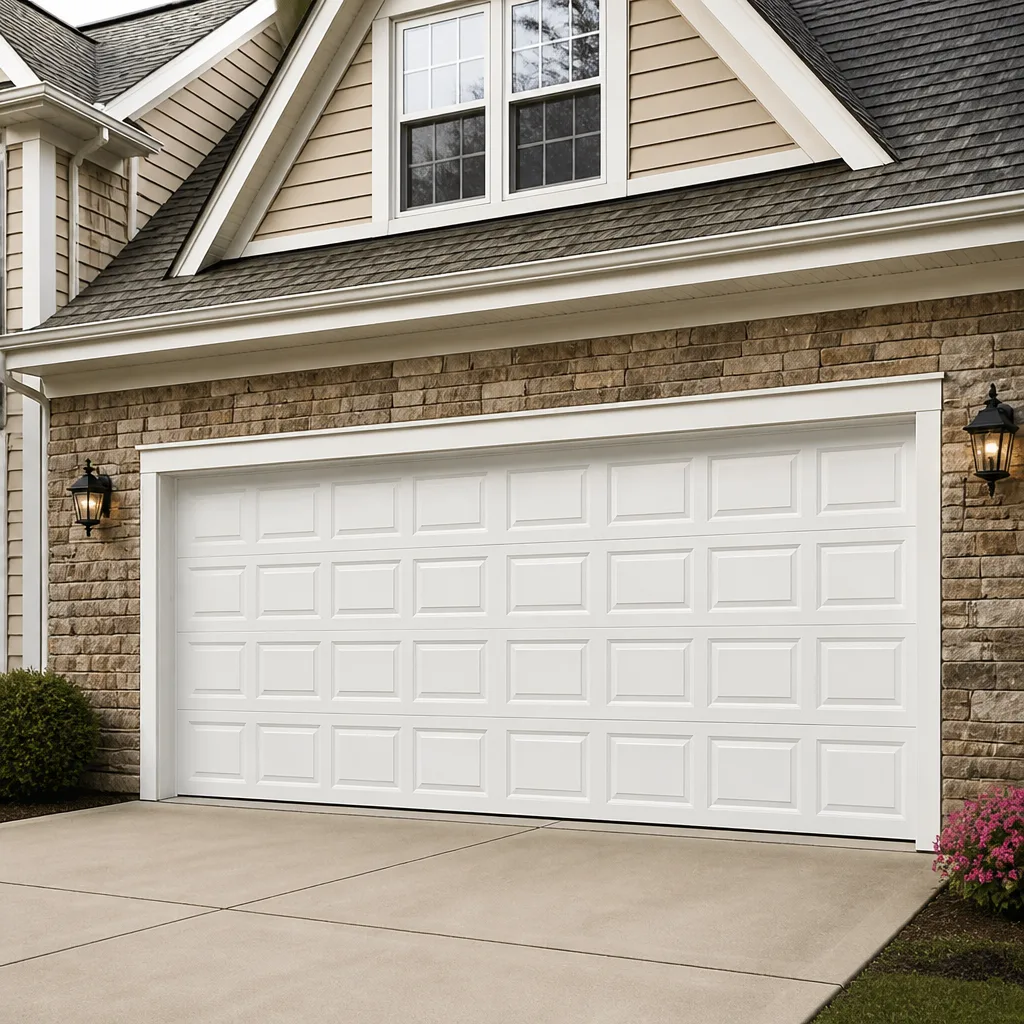 Raised-panel steel
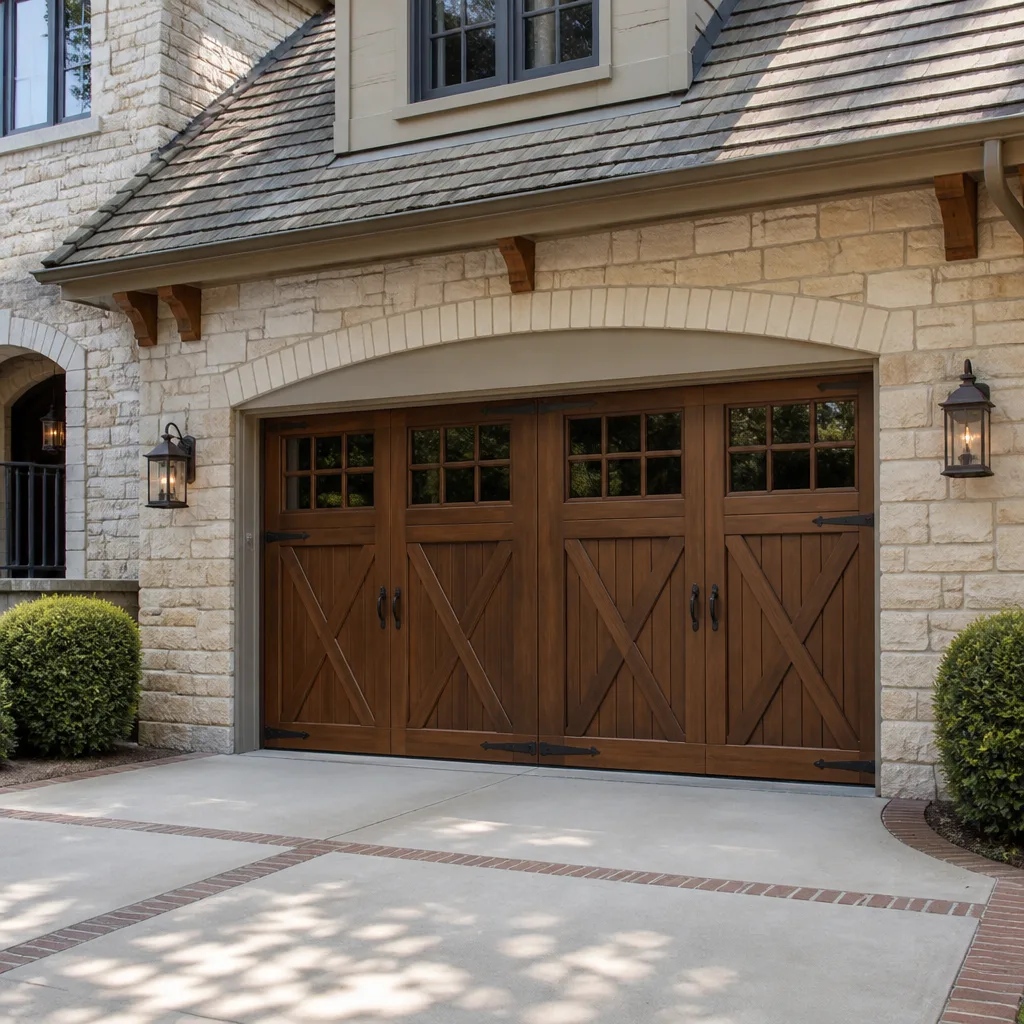 Carriage house
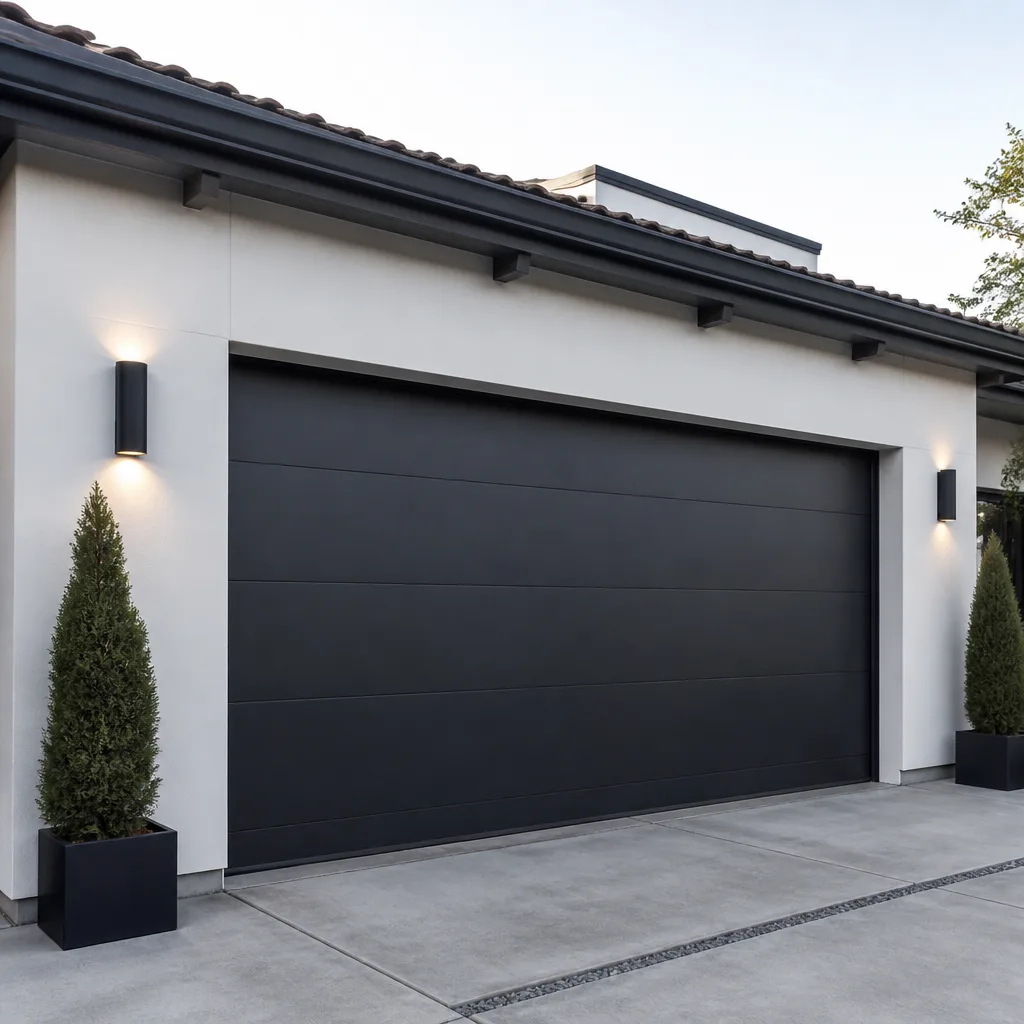 Modern flush
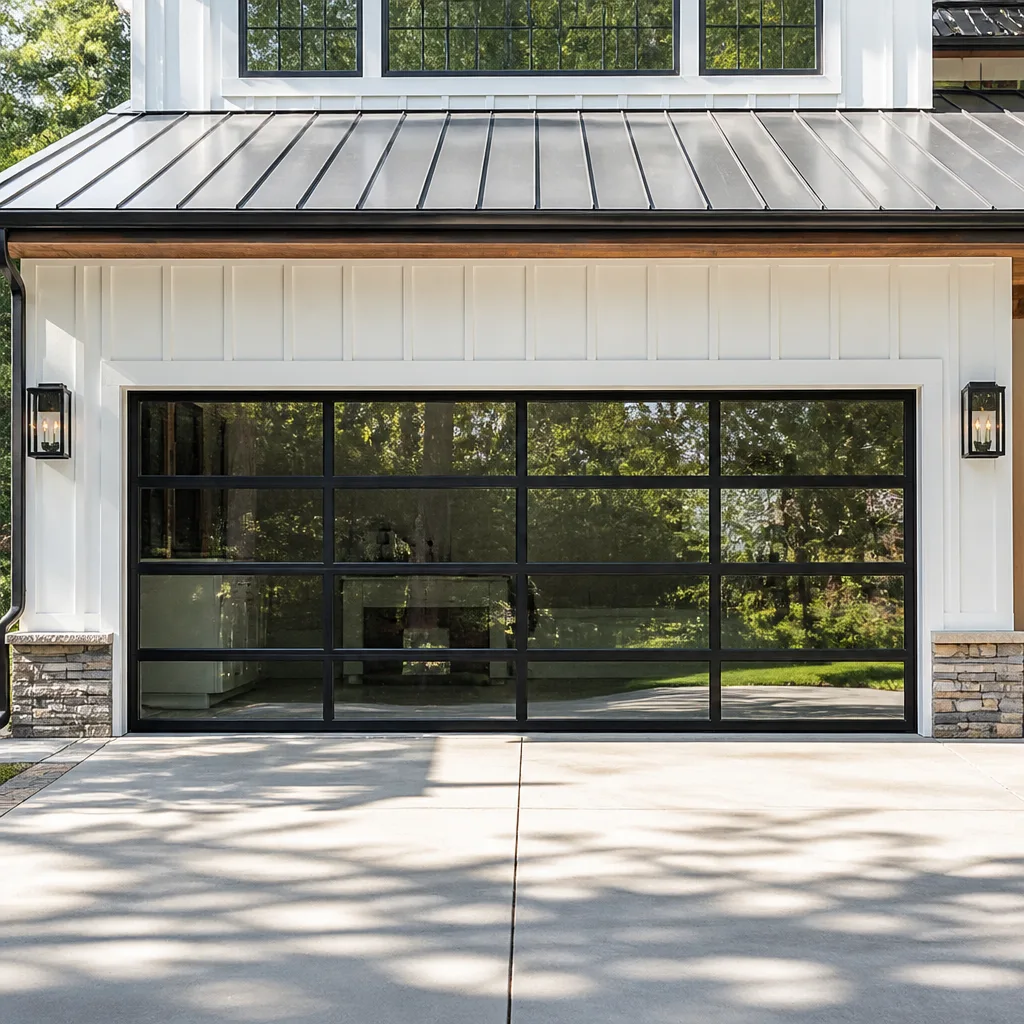 Full-view glass
 LiftMaster openers
 Chamberlain openers
Full 25-point door and opener safety check with every visit - springs, cables, rollers, tracks, and your LiftMaster or Chamberlain opener included
You get a price before we start. It does not change when the truck arrives.
Get your free estimateGarage Door Repair Maintenance Schedule: What to Do and When
Most garage door maintenance advice you’ll find online was written for a climate with four full seasons and a long, cold winter. Lubricate twice a year, check the balance once, call it done. That schedule doesn’t match Gainesville. Here, summer humidity regularly sits above 80%, afternoon thunderstorms roll through from June through September, and the hardware on your door spends months in a damp, warm garage that quietly wears on every roller, hinge and seal. A schedule built for Ohio leaves your door months behind. Below is a maintenance calendar written for the place you actually live, with the tasks you can handle yourself and the ones that belong to a specialist.
Quick Answer
A year-round garage door maintenance schedule in Gainesville centers on two anchor checks a year: a pre-storm-season inspection in May before summer humidity and thunderstorms arrive, and a post-summer hardware check in October after they pass. In between, a five-minute monthly self-check catches most small problems early, while a once-a-year professional tune-up handles the spring tension, balance and opener diagnostics that need proper tools. Lubrication, in this climate, is a four-times-a-year job, not twice.
Styles & brands we work with
- Raised-panel steel
- Carriage house
- Modern flush
- Full-view glass
- LiftMaster openers
- Chamberlain openers
Table of Contents
- Why a Gainesville Maintenance Schedule Is Different
- The Five-Minute Monthly Self-Check
- May: Pre-Storm-Season Inspection
- The Right Lubricant for Florida Heat
- Spotting Wood Rot and Weatherstripping Damage
- October: Post-Summer Hardware Check
- What Needs a Specialist (and Why)
- The Spring Check Behind Most Emergency Calls
Why a Gainesville Maintenance Schedule Is Different
The garage door is the largest moving object on most homes, and in Gainesville it lives in a harder environment than most national maintenance guides account for. That changes the timing of nearly every task.
Humidity is the main driver. When summer moisture climbs above 80% and stays there, it works into every exposed metal surface inside the garage. Bare steel hardware, roller stems, hinge pins and the track’s moving contact points all develop surface oxidation faster than they would in a dry climate. Left unaddressed, that oxidation turns into sticking rollers, grinding hinges and a door that binds halfway up. Lubrication here is not cosmetic. It’s the difference between a door that glides and one that strains the opener every cycle.
Then there’s the storm season. From June through September, afternoon thunderstorms are routine in Gainesville, and they bring wind-driven rain that finds its way past weatherstripping, under the bottom seal and around the door’s perimeter. A seal that was marginal in April leaks by July. Wood panels that stay damp around their bottom edges are where rot starts.
Heat plays its part too. A closed garage on a July afternoon is one of the hottest spaces on the property, and the opener motor, the springs and the plastic components of the drive system all work harder because of it. A tune-up built for a mild climate misses this entirely. The calendar below is the one we recommend.
The Five-Minute Monthly Self-Check
Most garage door problems announce themselves well before they become costly. A few minutes on the first of each month catches the early signals. This is the work any homeowner can do safely, with no tools beyond your eyes and ears.
- Listen. Open and close the door from a normal position and listen. A smooth, even hum from the opener and a steady glide from the door is what you want. Any grating, squealing or shuddering means something needs attention.
- Watch the travel. Stand back and watch the door through a full cycle. It should rise and fall evenly. A door that sags to one side, jerks partway up or stalls mid-travel is telling you the balance is off.
- Look at the bottom seal. Run your hand along the rubber strip at the bottom of the door (with the door down) and feel for gaps, cracks or a seal that has flattened out. This is the single most common leak point in Gainesville’s humid months.
- Check the safety sensors. The two small sensors near the floor on either side of the track should have a solid light when nothing is between them. Wave a hand through the beam and confirm the door reverses.
- Look for rust spots. Scan the hinges, rollers and track for the rust-colored dusting that means moisture has started working on the metal.
None of this requires touching the springs, the cables or the opener’s internal wiring. Those carry real risk, and they belong to the professional checks below. For anything the monthly check flags, a quick call and a free estimate is the simpler path than trying to diagnose it yourself. If a repair is needed, our garage door repair team handles every brand in the garage.
May: Pre-Storm-Season Inspection
May is the month to get ahead of the summer. Once the afternoon storms settle in from June onward, you want your door’s weather defenses already in order. A May inspection focuses on what the wet season will test hardest.
Start with the perimeter. Check the weatherstripping along both sides and the top of the door for cracks, hardening or sections pulling away from the frame. In Gainesville’s humidity, rubber seals stiffen and split faster than in dry climates, and a compromised seal lets wind-driven rain past the door and onto the panels and hardware behind it.
Next, look at the bottom seal and the garage floor where it meets the door. A proper seal sits flush across the width. If yours is lifting at the corners or leaving a visible gap, that’s a leak waiting for the first June downpour.
Then check the door’s balance and hardware. Disconnect the opener (most have a manual release) and lift the door by hand to about waist height. A balanced door stays roughly where you let go. A door that wants to slam down or spring up is out of balance, and that’s a signal the springs are working unevenly. Leave the spring adjustment to a technician; the balance test is safe, the adjustment is not.
Finally, look at the wood panels if your door is wood or has wood-look sections. Check the bottom edges and any joints for dark, soft spots or peeling finish. Damp spring air is when rot gets its start.
This May-to-October rhythm is the backbone of any real maintenance routine here. Homeowners searching for a reliable maintenance plan in Gainesville get more out of two well-timed checks than from a national “twice a year, whenever” reminder.
The Right Lubricant for Florida Heat
The single most common maintenance mistake in this climate is reaching for the wrong can. A light spray like WD-40 feels like it’s doing the job, but it’s a solvent, not a long-lasting lubricant, and it evaporates off metal surfaces fast enough that it’s essentially gone within weeks. In a hot Gainesville garage, it can flash off even quicker. You end up re-applying constantly and the metal stays dry in between.
What holds up:
- A lithium- or silicone-based garage door lubricant on the hinges, roller stems, springs and the track’s contact points. These leave a persistent film that survives heat and humidity better than a thin spray.
- Silicone spray on the weatherstripping so the rubber stays supple through the humid months and doesn’t stiffen or split.
- Avoid grease and heavy oils on the track itself. They collect grit, and grit is what wears rollers out. The track wants a light film, not a coating.
Frequency matters as much as product. In most of the country, twice a year is fine. In Gainesville, we recommend lubricating every three months: spring, early summer, late summer and fall. The extra interval is what keeps the hardware ahead of the humidity. Skipping one and letting it go six months is how a door that ran quietly in March starts grinding by August. That grinding is the sound of friction your opener is working against on every cycle.
A good habit is to tie it to something you already remember, like the first weekend of each quarter, and to do it right after you’ve done the monthly self-check. Opener work, when the time comes for it, is its own specialty. Our garage door opener repair covers the electronics and the drive system, not just the springs and panels.
Spotting Wood Rot and Weatherstripping Damage
Florida humidity turns wood maintenance into a real chore, and the garage door takes the brunt of it. Wood rot and failing weatherstripping are the two problems that cost the most if you leave them too long, because both quietly compromise the door’s structure while looking like small cosmetic issues.
Early wood rot shows up in a few recognizable ways:
- Soft spots near the bottom edges of panels. Press gently with a screwdriver handle (not the blade). If the wood gives, it’s starting to rot.
- Dark or discolored streaks along joints and lower sections where moisture sits.
- Peeling or bubbling paint that keeps coming back after a fresh coat. That’s usually moisture escaping from inside the wood, not a paint problem.
- Crumbling or powdery texture near the corners where the panels meet the frame.
Weatherstripping damage is easier to miss because it happens at the edges. Look for rubber that has hardened, cracked, torn or pulled loose, pieces hanging away from the frame, or a bottom seal that no longer meets the floor evenly. Any of these lets in wind-driven rain, and that’s what makes the rot worse.
Catching these early is far cheaper than catching them late. Small rot can often be repaired panel-by-panel. Once rot reaches the door’s structural framing, the conversation shifts toward a door replacement, which is a very different project. The May inspection is the natural time to catch both problems before the wet season makes them worse. If your door is a Clopay or Amarr model, matching replacement panels and seals is far easier than for a discontinued door, which is another reason early detection pays.
October: Post-Summer Hardware Check
If May is about preparing for the storms, October is about inspecting what they left behind. After a summer of humidity and thunderstorms, your door’s hardware has been through the hardest stretch of the year. The October check is where you catch the wear before it becomes a winter repair.
What to look at, in order:
- Rollers. Spin each roller by hand. They should turn smoothly and quietly. Any that wobble, drag or look flat-spotted are worn and should be replaced before they start damaging the track.
- Hinges and fasteners. Look for loose screws at the hinges and at the track brackets. In a door that’s been through a season of heat expansion and humidity, they work loose. Tighten any you find, and note any that won’t hold. A screw that keeps backing out usually means the hole in the wood is worn, which the technician can address.
- The track. Run your eyes down both tracks. Any dent, kink or bend will cause the door to bind. A little grit is normal. A bend is not, and forcing the door past one causes more damage.
- Rust and oxidation. Check the springs, hinges and track for that rust-colored dusting. It means the lubricant has been used up and moisture has had its way. Clean and re-lubricate as part of the fall routine.
- The opener. Listen to the opener through a full cycle. Any hesitation, grinding or unusual noise from a LiftMaster or Chamberlain unit is worth a look from a technician.
This post-summer check is also the right moment to schedule the annual professional tune-up. Doing it in October means the door goes into the cooler months in good shape and the technician can catch anything the summer accelerated. If your door is a Raynor or Genie unit that’s been reliable but is showing its age, the annual tune-up is also a good moment for a straight conversation about whether repair or replacement makes more sense.
What Needs a Specialist (and Why)
There’s a real line between what a homeowner can check safely and what belongs to a trained technician. Getting that line right is what keeps a maintenance routine from turning into an injury. The tasks on the homeowner side are the visible, low-risk checks. The tasks on the specialist side are the ones involving stored mechanical energy and the door’s balance.
Homeowner-side tasks:
- Monthly visual and auditory checks (the five-minute routine)
- Lubricating hinges, rollers and springs
- Tightening visible loose screws at hinges and brackets
- Wiping the track and checking the safety sensors
- Visual inspection of weatherstripping and wood panels
Specialist-side tasks, every year:
- Spring tension adjustment and, when needed, spring replacement
- Cable inspection and replacement
- Roller and hinge replacement
- Track alignment and straightening
- Full opener diagnostics, including the drive system and safety reverse force settings
- Balance testing and final adjustment after any part is replaced
The reasoning is straightforward. A torsion spring under tension stores enough force to cause serious injury if it fails or is handled wrong, and the cables that run with it are under similar load. These are not parts to test by feel. A trained technician has the right tools to release and re-tension them safely, and knows exactly what a worn spring looks like before it breaks. The annual professional visit covers all of this in a single pass and catches the issues the homeowner checks can only flag, not fix.
We work on the brand you already have, whatever it is, so the yearly tune-up doesn’t depend on which opener or door manufacturer your home came with. That’s part of what keeps this kind of maintenance practical.
The Spring Check Behind Most Emergency Calls
If you ask what brings the most emergency calls, the answer is almost always a broken spring, and nearly always a break that could have been caught. Garage door springs are rated for a set number of open-and-close cycles, and a door that’s used a few times a day reaches that rating in the space of a few years. When a spring fails, the door won’t lift, or lifts partway and stops, and for many families that’s an urgent problem.
The spring check is the maintenance step most often skipped, because springs are also the part most homeowners are understandably nervous to touch. That instinct is right. You don’t touch them. But you can watch for the warning signs, and a technician can measure wear on the annual visit. Here’s what to watch for:
- Uneven travel. A door that sags or binds to one side is often showing a spring that’s lost tension.
- Loud bang. A torsion spring that snaps makes a sharp crack that echoes through the house. After that, the door usually won’t lift at all.
- Difficulty lifting. A door that feels much heavier than it used to, when you test it by hand with the opener released, is a sign the spring is tiring.
- Visible gaps or stretches. On extension springs, look for a spring that’s stretched or has a visible gap between coils. Both mean it’s near the end of its life.
This is where maintenance saves money. Catching a worn spring on an annual inspection and having it replaced on a scheduled visit is a straightforward repair. Waiting for it to fail turns it into an emergency call, and if the door drops hard enough it can also damage panels and the opener. Preventing the failure is cheaper than fixing it after it happens, and it means the door doesn’t quit on you at a bad moment.
Springs are one of the parts where brand matching matters, especially for older doors where the original spring rating can be confirmed. We keep that in mind on every tune-up, whether the door is a Wayne Dalton or a Craftsman model or anything else in between.
Common Mistakes to Avoid
- Following a national “twice a year” lubrication schedule. That interval was written for a dry, mild climate, and in Gainesville’s humidity it lets hardware get six months behind. Lubricate quarterly instead.
- Using a light spray like WD-40 as your main lubricant. It evaporates fast in the heat and leaves the metal dry in between. Use a lithium- or silicone-based product that holds a film.
- Trying to adjust or replace springs yourself. Springs and cables store serious energy, and this is the leading source of avoidable injury in garage door work. Watch for the signs and let a technician handle the repair.
- Ignoring a marginal weather seal through the wet season. A seal that looks fine in April can leak by July. Checking it in May is far cheaper than fixing rotted panels later.
- Pressing on the door to test it while the opener is still engaged. Always use the manual release before any balance test by hand. Testing with the opener connected can strain the mechanism.
- Putting off the annual tune-up because the door “still works.” A door that opens doesn’t mean the springs are within their wear window. The annual check is where those problems are found before they fail.
- Assuming every repair needs a new door. A worn roller, a loose hinge or a tired spring is a repair, not a replacement. Diagnosing correctly is what keeps a maintenance budget sensible.
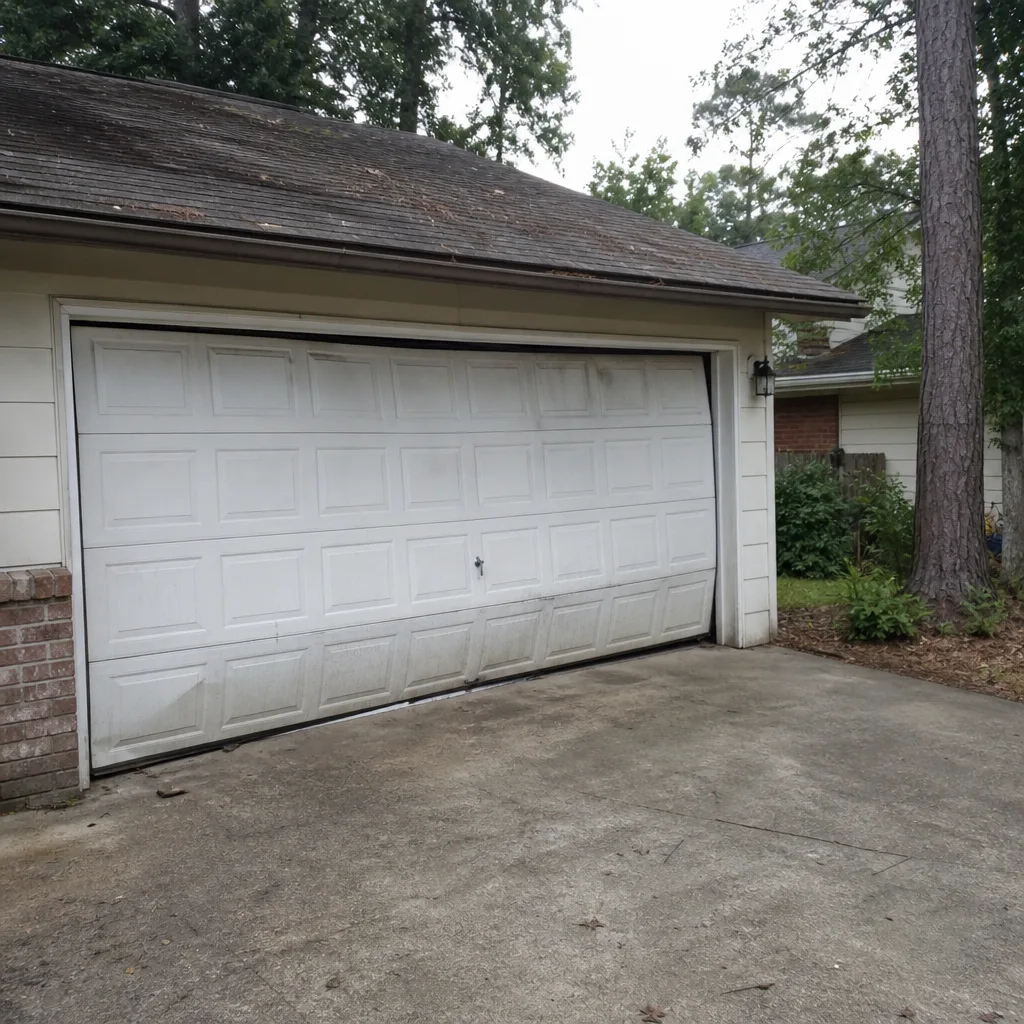
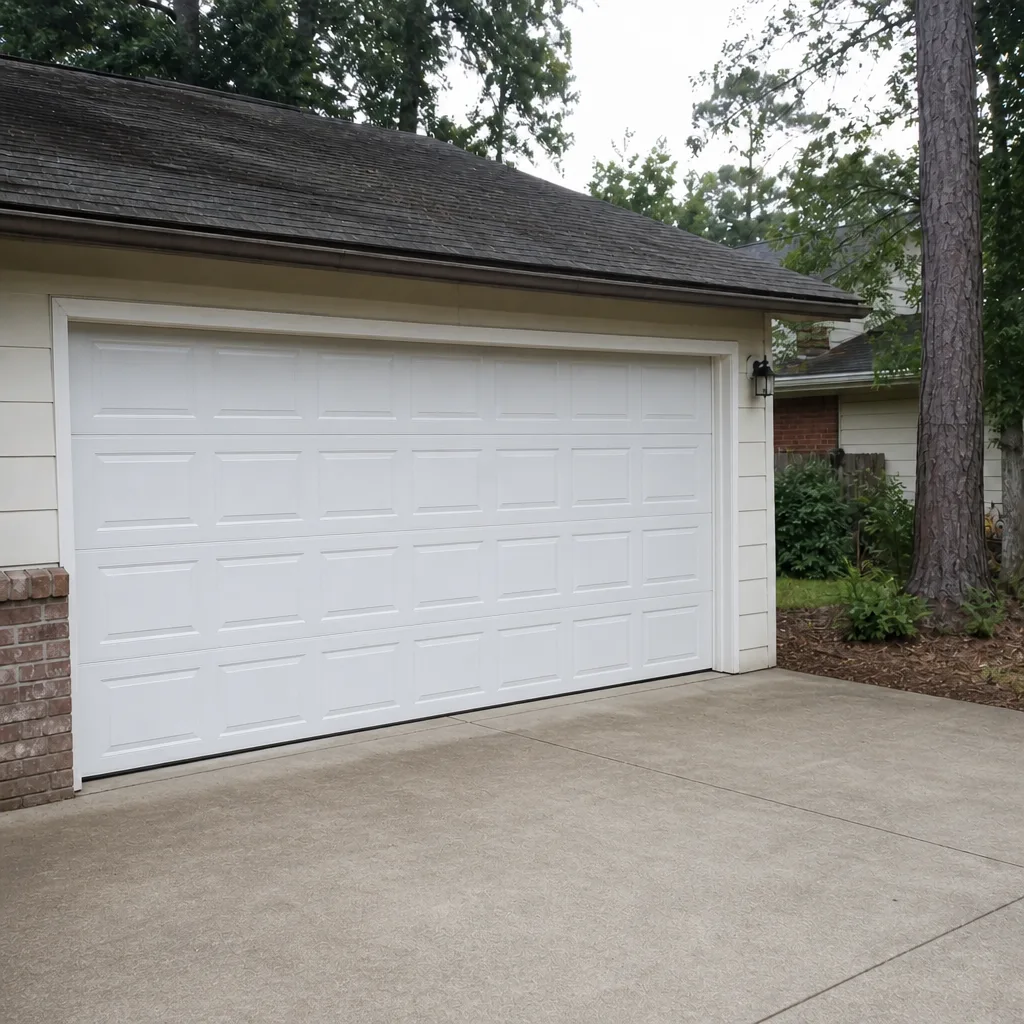
See the difference
 Before
 After
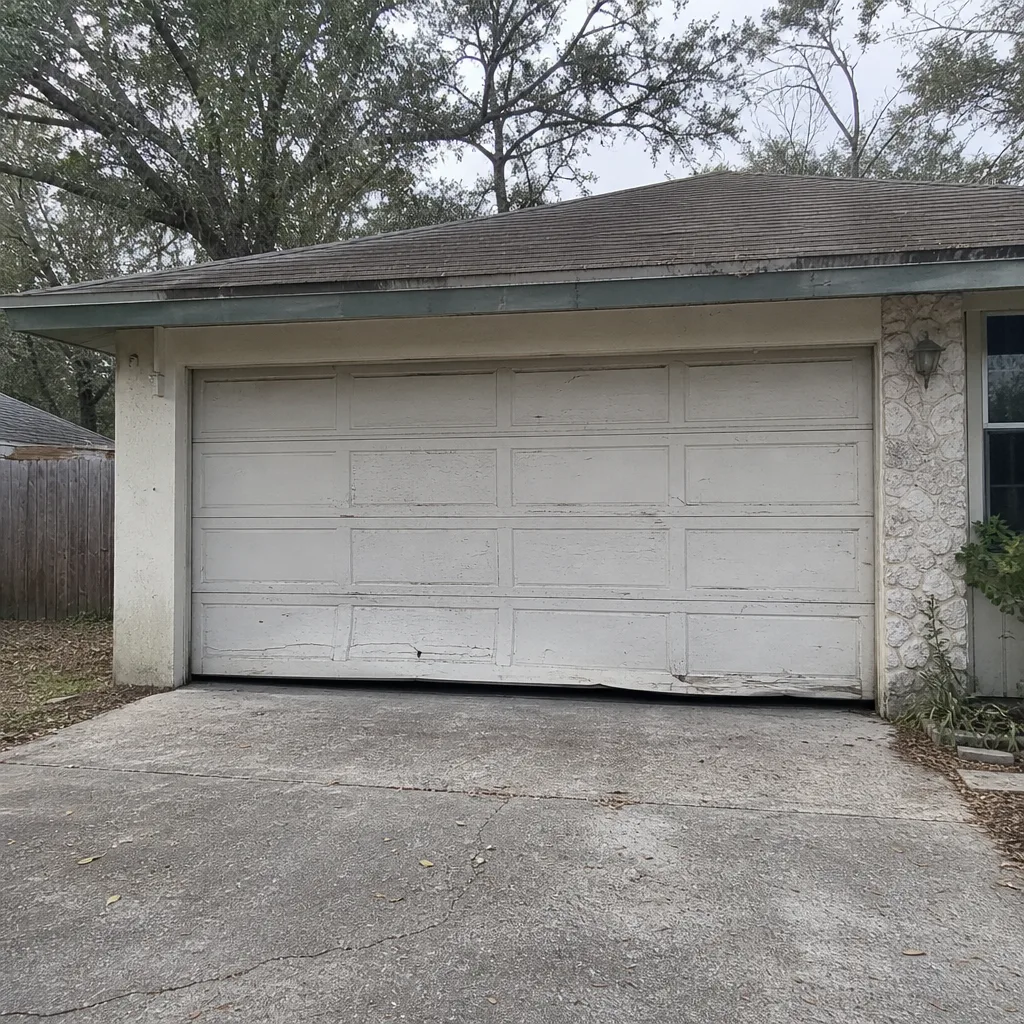 Before
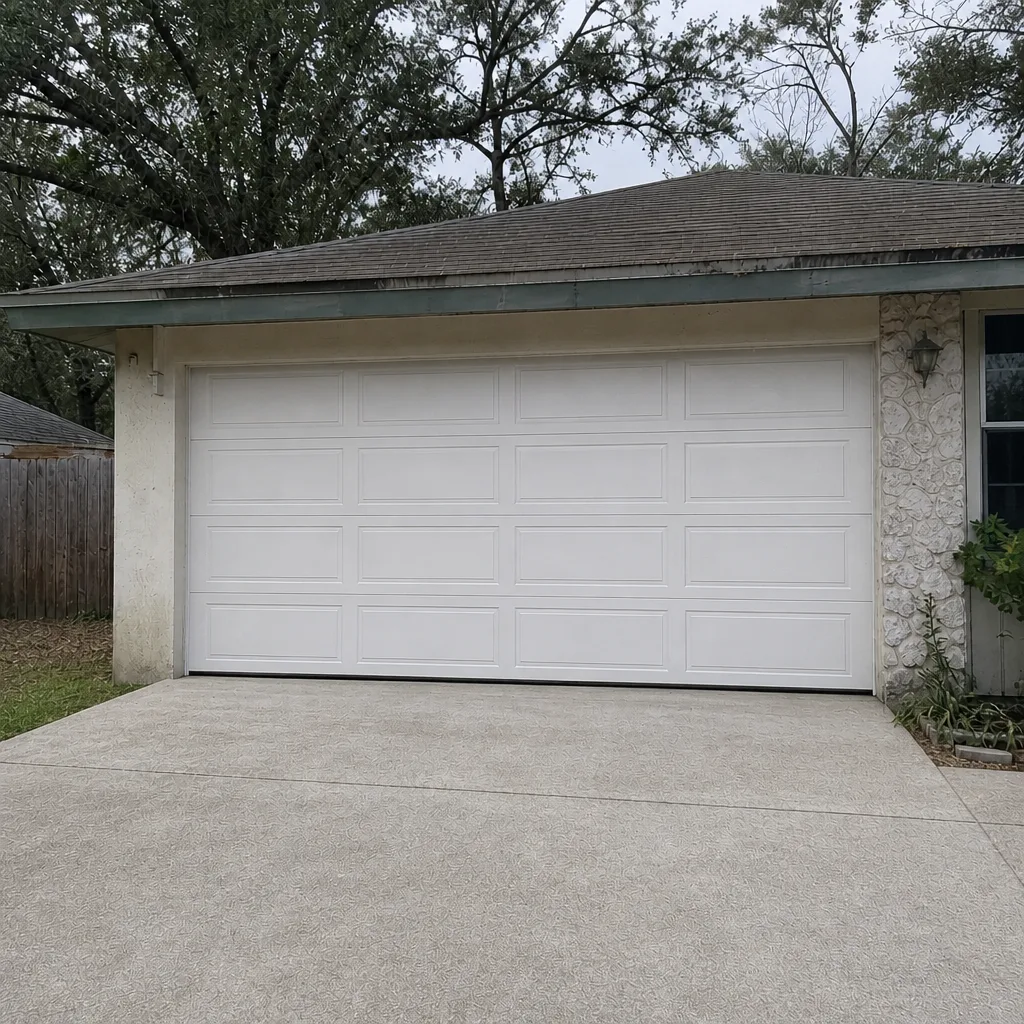 After
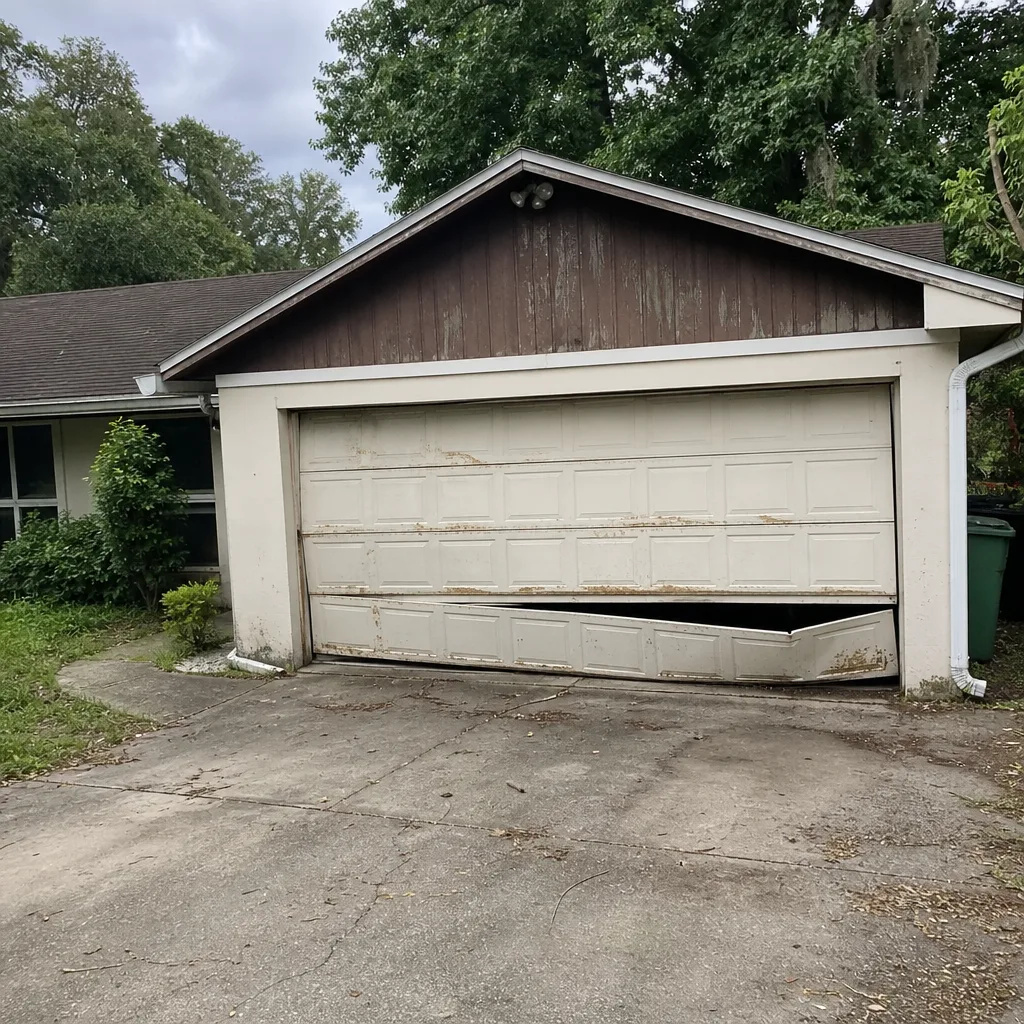 Before
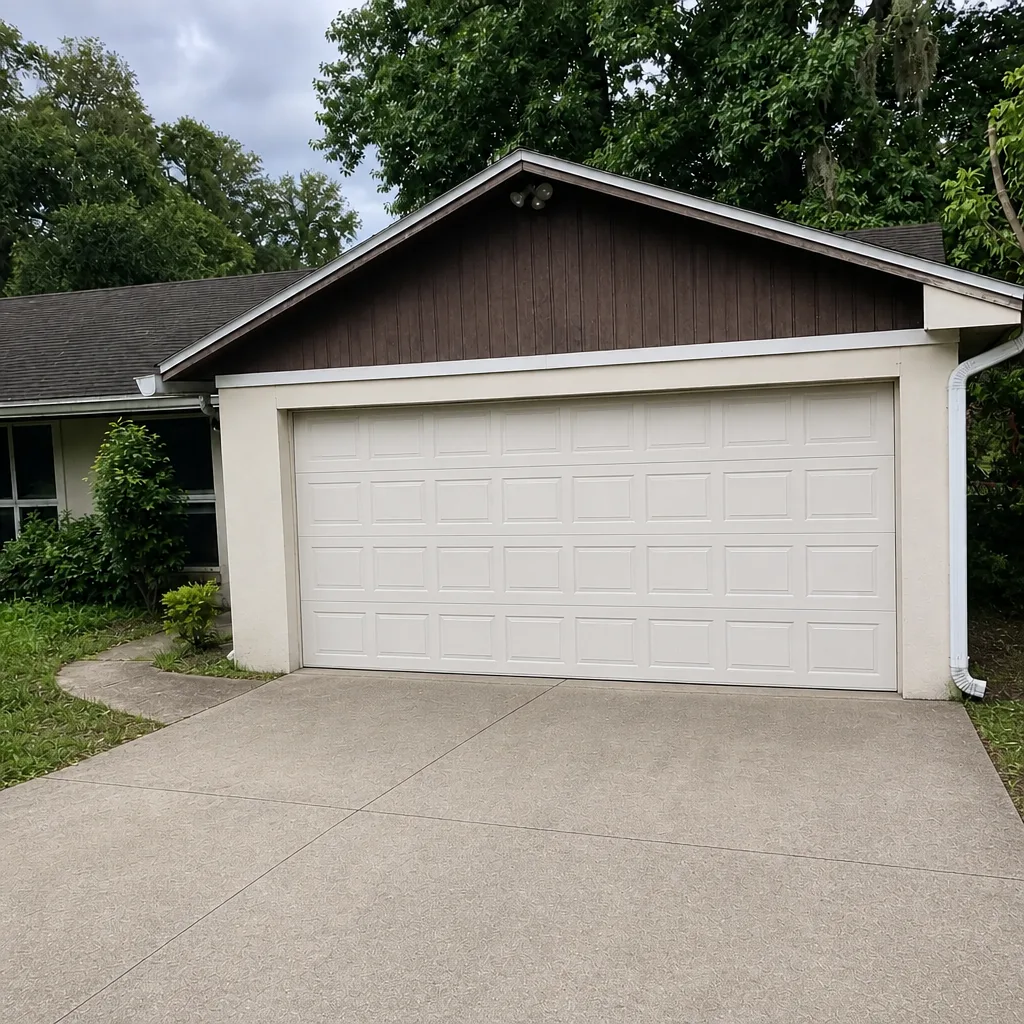 After
When to Call a Professional
Some jobs are maintenance. Others are repairs, and a few shouldn’t wait. Call a professional if the door won’t open or close, if it travels unevenly or sags to one side, if you hear a sharp crack from the spring area, if a cable looks frayed or loose, or if the opener grinds, hesitates or reverses without a clear reason. Also call if you see rust spreading on the track, if a panel has come loose, or if the door’s weather seal is failing across a wide stretch. Any of these is a signal that the monthly and seasonal checks have found something worth a trained eye, and the sooner it’s fixed the cheaper it usually is. Holloway Garage Door Repair offers free estimates in Gainesville and can diagnose the issue on the spot. Call (866) 389-5046. We answer 24/7. Fast dispatch from 7am to 7pm, Sunday through Friday.
Frequently Asked Questions
Every three months, or about four times a year, because the humidity here breaks down lubricant faster than in a dry climate. The national “twice a year” advice leaves hardware exposed to moisture for too long. A lithium- or silicone-based product holds up better than a light spray that evaporates.
No, and it’s not worth trying. Torsion springs and cables store a large amount of energy, and an incorrect release can cause serious injury. A trained technician has the tools and knowledge to do it safely. Your job is to watch for the signs (uneven travel, a loud crack, a door that’s suddenly heavy) and call a professional.
October is the best month because it comes right after the summer season of humidity and thunderstorms. The technician can catch the wear the summer accelerated before the door goes into the cooler months. A May pre-storm check is worth doing as well if you want to prepare before the wet season.
Look for rubber that’s hardened, cracked, torn or pulled away from the frame, and a bottom seal that no longer meets the floor flush. A visible gap at the corners is the clearest sign. In Gainesville’s humidity, seals stiffen and split faster than in drier climates.
Prevention is cheaper. Catching a worn spring during an annual tune-up and replacing it on a scheduled visit is a straightforward repair. Waiting for it to break turns it into an emergency call, and a door that drops hard can also damage panels and the opener.
It matters for parts matching, not for whether you can get maintenance. We service LiftMaster, Chamberlain, Genie, Clopay, Amarr, Wayne Dalton, Craftsman and Raynor equipment. Matching replacement parts to the brand already in your garage removes guesswork and keeps the door running the way it was built to.
The Bottom Line
The maintenance schedule that works in Gainesville isn’t a national one. It’s built around the local weather: a five-minute monthly self-check, quarterly lubrication, a May inspection before the wet season, and an October check after it. The spring and cable work belongs to a professional every year, and the annual tune-up is where the expensive emergencies get caught before they happen. Do the monthly and seasonal checks, stick to the right lubricant, and let a specialist handle the tension. That routine is what keeps a door running quietly through Florida’s summer and keeps the repair bill modest. Holloway stands behind every repair. If you’d like help putting this schedule in place, Holloway Garage Door Repair offers free estimates from a team that works on garage doors all day, every day. Call (866) 389-5046 for a free estimate.
Written by the team at Holloway Garage Door Repair, serving Gainesville since 2017.