
Last updated November 14, 2026
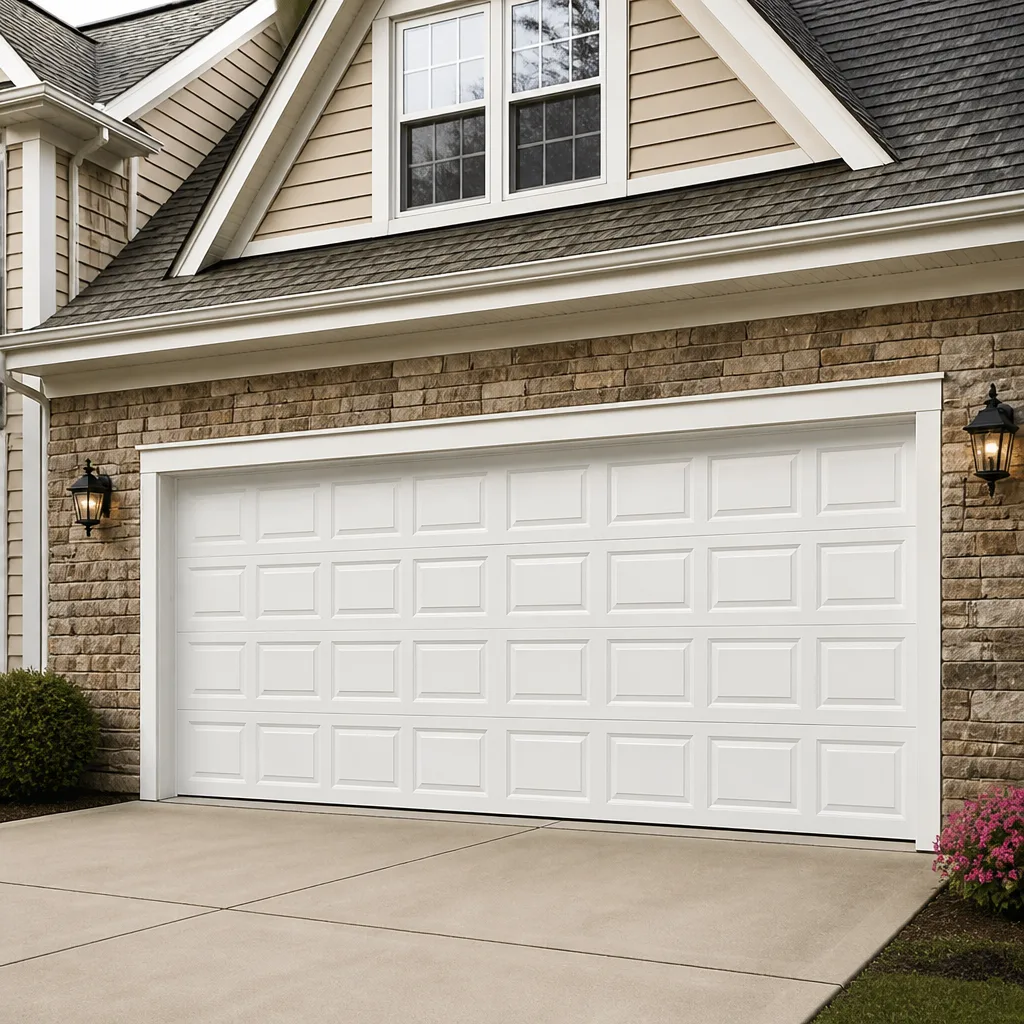 Raised-panel steel
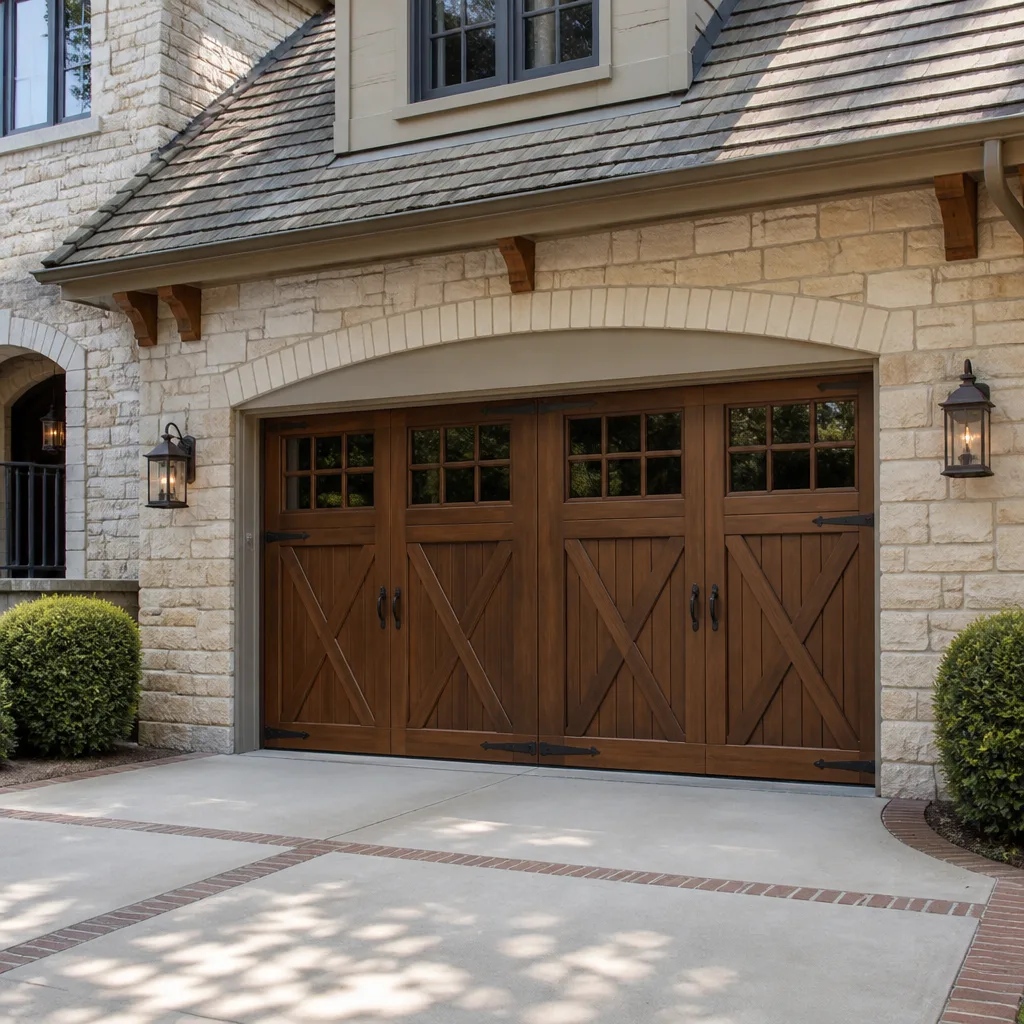 Carriage house
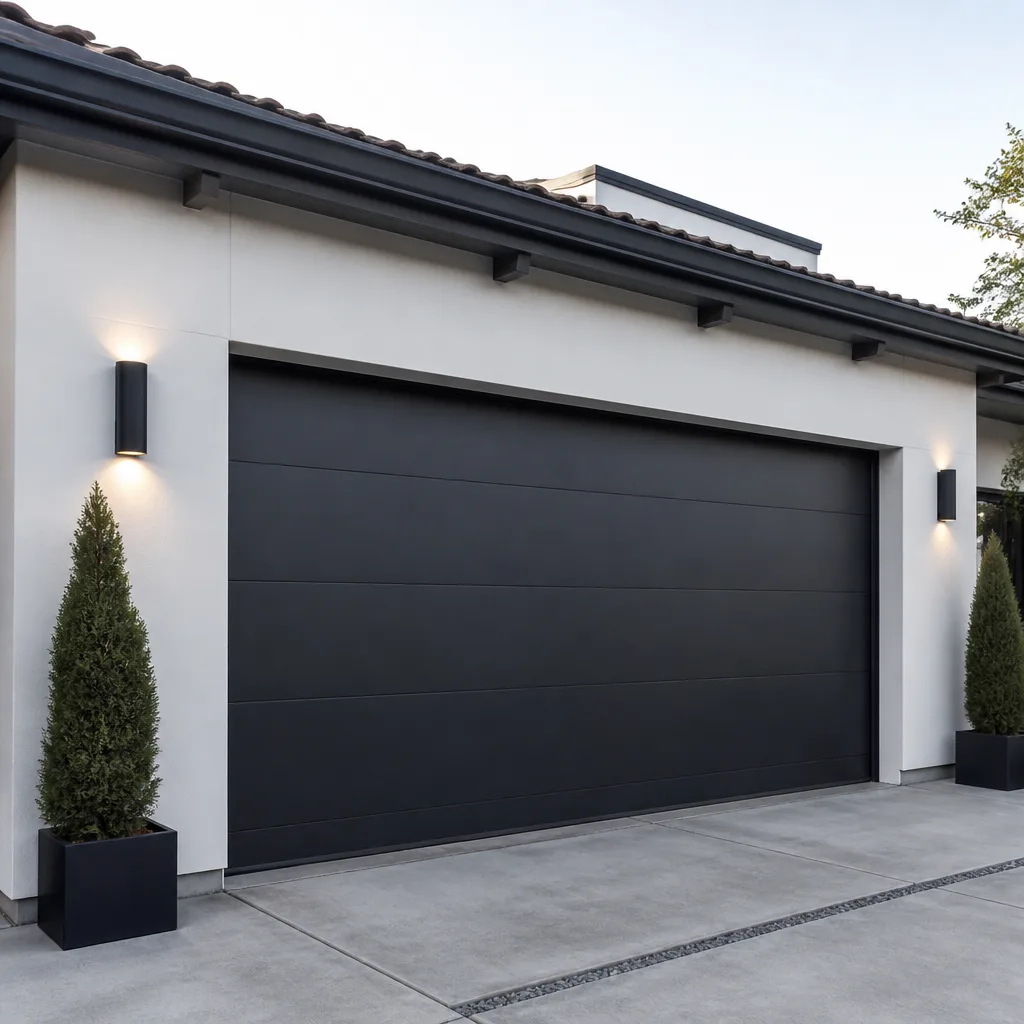 Modern flush
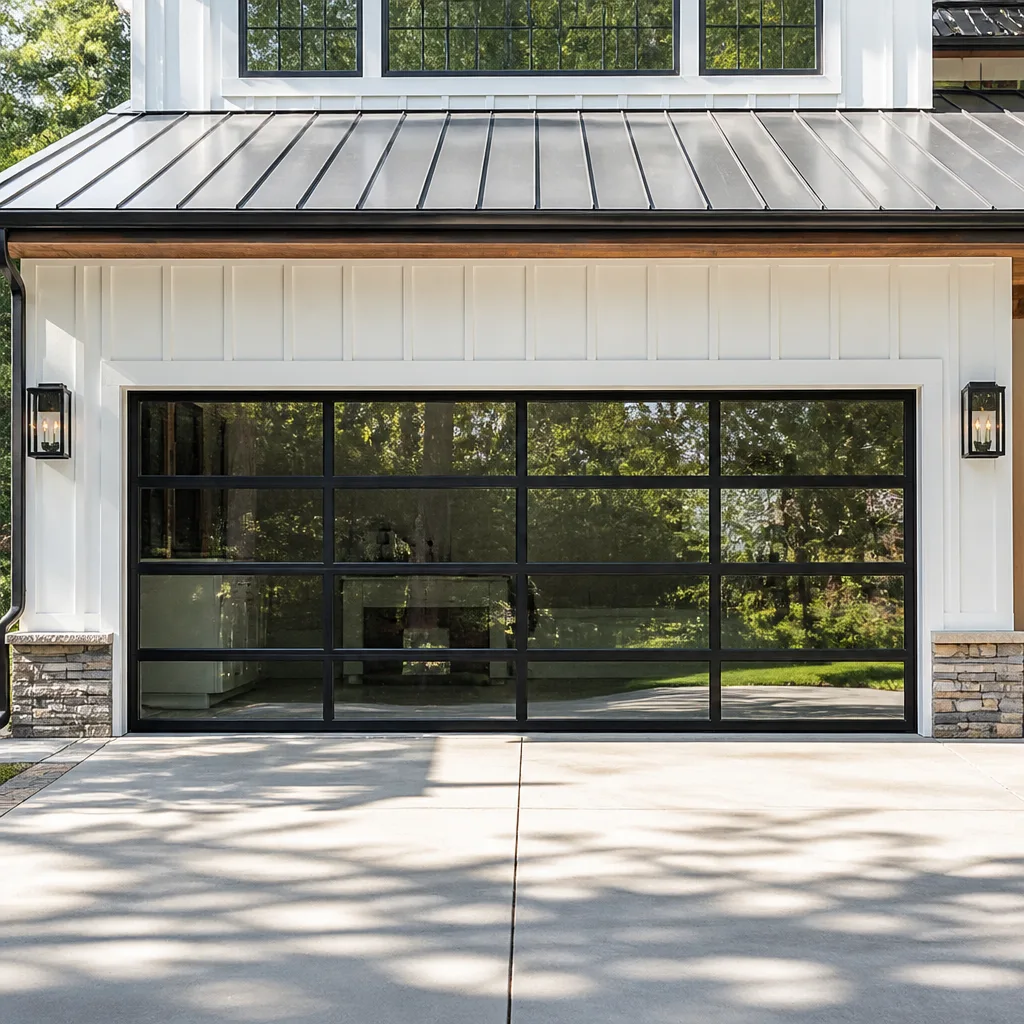 Full-view glass
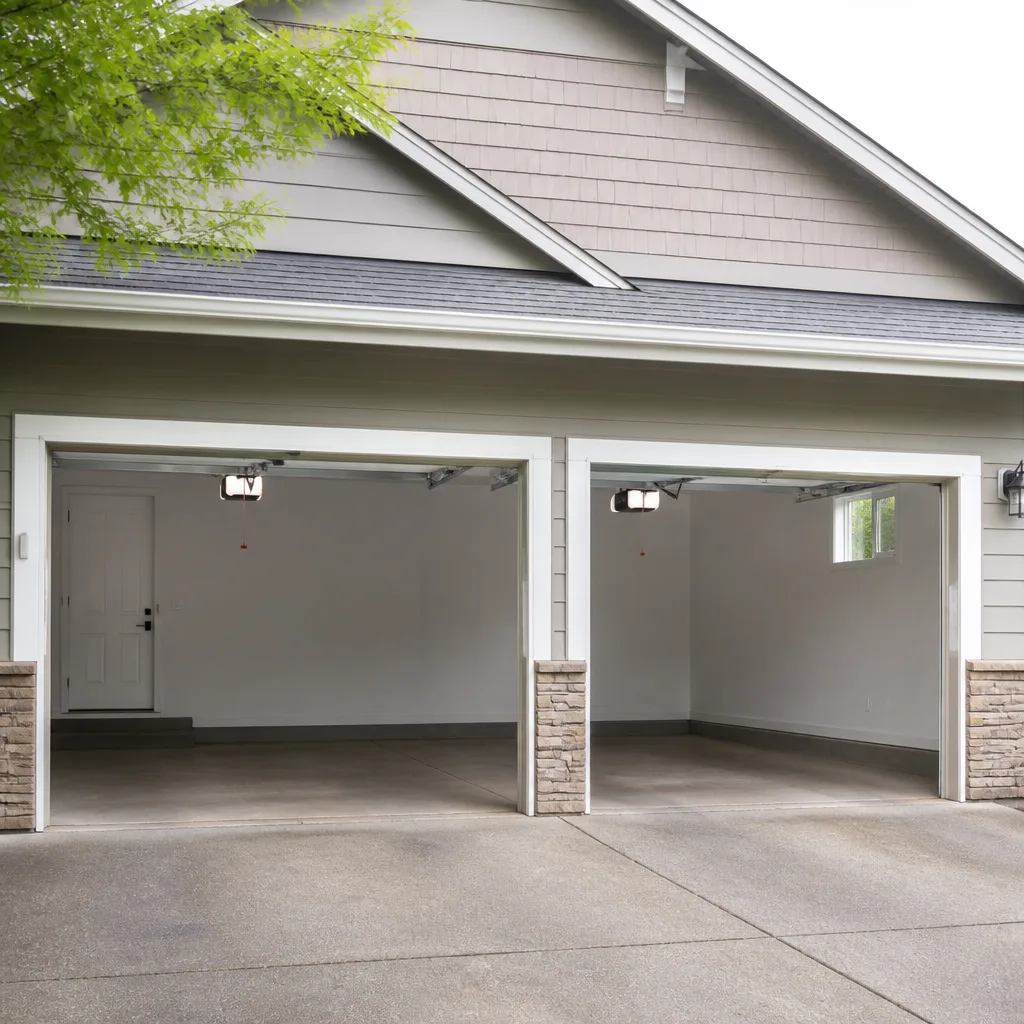 LiftMaster openers
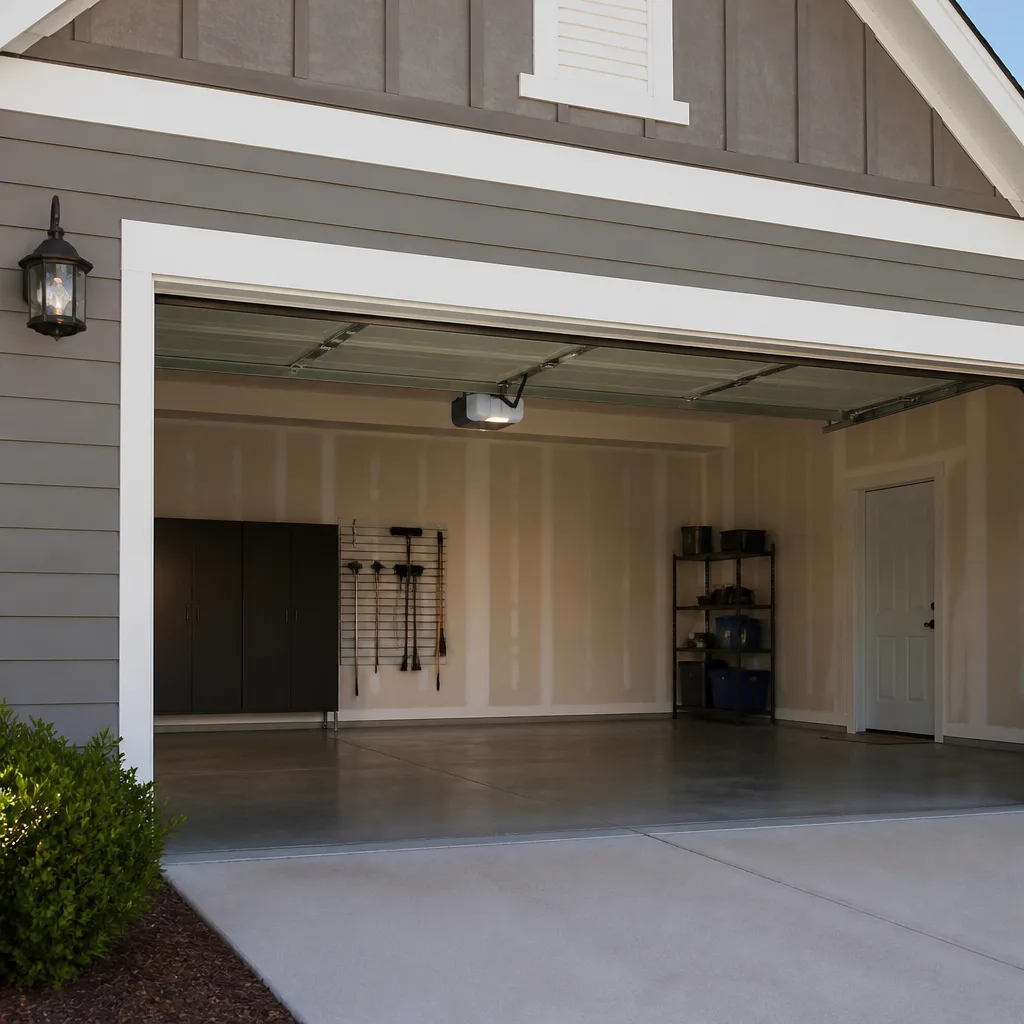 Chamberlain openers
Full 25-point door and opener safety check with every visit - springs, cables, rollers, tracks, and your LiftMaster or Chamberlain opener included
You get a price before we start. It does not change when the truck arrives.
Get your free estimateGarage Door Permits, Codes & Inspections in Gainesville, FL: What You Need to Know
Most homeowners assume a garage door swap is a private transaction between them and the installer. In Florida, it isn’t. The door is the largest opening in your home’s wind barrier, which is exactly why the state treats it as structural work rather than a cosmetic upgrade. Skip the paperwork and you don’t just risk an inspection failure. If the door fails during a named storm and water or wind gets in, your carrier can point to unpermitted work as grounds to deny the structural claim. That’s the part installers rarely volunteer. This guide walks through when Alachua County requires a permit, what the Florida Building Code actually asks of your door in Gainesville’s wind zone, what an inspector checks and what they miss, who is legally on the hook for the permit, and how to dig up permit history before you buy a house.
Quick Answer
In Gainesville and Alachua County, replacing a garage door or changing its wind-resistance rating requires a building permit; routine repairs and opener swaps generally do not. Your door must satisfy Florida Building Code wind-load requirements for the county’s Wind Zone II designation, and the inspection that follows checks the door’s rated label, anchoring, and track and hardware attachment. The contractor you hire is legally responsible for pulling the permit.
Styles & brands we work with
- Raised-panel steel
- Carriage house
- Modern flush
- Full-view glass
- LiftMaster openers
- Chamberlain openers
Table of Contents
- When a permit is required in Alachua County (and when it isn’t)
- Wind load, Wind Zone II, and what the Florida Building Code asks of your door
- What a Gainesville building inspection actually checks
- Who pulls the permit: your role vs. the contractor’s
- Step by step: how a permitted garage door installation works
- How to look up permit history before you buy a house
- Repair, replace, or leave it alone?
- Frequently asked questions
When a Garage Door Permit Is Required in Alachua County
The simplest rule: if you’re replacing the door itself, or changing anything that affects its wind-resistance performance, expect to need a permit. Alachua County and the City of Gainesville issue permits for new door installations and for replacements where the door’s design pressure rating, anchoring, or opening size changes. A like-for-like swap of a single door within a residential property is typically permitted work too, because the door carries a rated label the inspector needs to verify against the plans.
What usually doesn’t require a permit:
- Routine repair of springs, cables, rollers, or hinges
- Replacing an opener, a remote, or a wall control
- Straightening a bent track without changing the anchoring
- Replacing weather seals and bottom astragal
- Replacing a single damaged panel that doesn’t change the door’s rated assembly
What usually does:
- A full door replacement, including same-size replacements
- Changing the door’s material, insulation, or wind-load classification
- Resizing the opening or enlarging the door
- Replacing anchoring or reinforcing where the plan examiner wants a permit
- Replacing a door where the original installation was never permitted
The threshold call is often a judgment one, which is why it’s worth asking your city or county building department before ordering a door. In Gaineville’s housing stock, doors installed before the current code cycles are the ones most likely to trigger a permit question, because the replacement needs to show a wind-load rating the original paperwork may never have stated. If you’re already working with us on garage door repair, we’ll tell you plainly whether the scope pulls in a permit.
Wind Load, Wind Zone II, and What the Florida Building Code Asks of Your Door
Florida Building Code Section 1609 governs wind loads, and Alachua County falls into Wind Zone II. What that means for a homeowner is straightforward: the door you buy has to be rated for the pressures the county’s code sets for its wind zone, and the specific pressure depends on your exposure category, the home’s height, and the door’s size. The door manufacturer publishes a design-pressure label that the inspector and the permitting office use to confirm the installation meets the requirement.
The practical files:
- Wind-zone map: Alachua County is in the zone that requires a rated door rather than a standard non-rated unit.
- Design pressure label: every compliant door has a label stating its rating in psf (pounds per square foot).
- Product approval number: Florida evaluates door products through the Florida Product Approval system, and your installer or the building department can verify whether a specific door carries an approval.
- Anchoring: the rated door only performs as rated if the anchor bolts, brackets, and jambs are installed to the manufacturer’s instructions.
This is where brand experience earns its keep. Amarr and Wayne Dalton both publish Florida Product Approval documentation for their wind-rated lines, and we work through those documents when we spec a door for a Gainesville home. The label on the door is one thing. The match between label, home, and installation is what the inspection actually tests, and it’s why we treat a door purchase as a system rather than a shopping decision.
One thing the wind zone doesn’t do is affect the opener. Openers are not part of the wind-load language, so a permitted door install doesn’t require a new opener and a new opener doesn’t trigger a permit on its own.
What a Gainesville Building Inspection Actually Checks
The inspection is narrower than most homeowners expect. A typical final inspection for a garage door replacement focuses on whether the installed door matches the permitted scope, is properly rated for the site, and is anchored the way the manufacturer specified. The inspector is looking for the label, the approval reference, and the installation hardware. They usually aren’t going to open and close the door a dozen times, test the balance by hand, or listen for a misaligned roller.
Here’s what they check:
- The door’s wind-load label matches what was permitted.
- Anchoring at the jambs and header bolts follows the manufacturer’s requirements.
- Tracks and brackets are solidly fastened.
- The door and the equipment on it meet the manufacturer’s product approval for the installation.
- Any window glazing in the door is rated as shown on the plans.
Here’s what they don’t check, and what you should verify independently:
- Balance and travel: a door that binds or slams was installed wrong even if the bolts are correct.
- Opener safety reverse: this is a life-safety feature on the opener, not the door.
- Photo-eye alignment and function: a misaligned safety sensor is an opener issue, not a permit issue.
- Spring tension correctness: a door set too tight or too loose wears out faster and can be unsafe.
- Weather seal fit: the seal matters for water intrusion, which the inspector doesn’t test.
If your new door is paired with new opener work, treat the opener as a separate check. Our garage door opener repair walkthrough goes through the safety reverse and photo-eye tests to run after any opener change.
Who Pulls the Permit: Your Role vs. the Contractor’s
The contractor pulls the permit. Under Florida law, a homeowner can usually pull a permit as an owner-builder for work on their own primary residence, but the moment an installer shows up with a crew and a business license, the permit belongs to that licensed contractor. If a contractor asks you to “handle” the permit, that’s a red flag. It shifts inspection responsibility and, in a claim scenario, the liability to you.
What it looks like when it’s handled correctly:
- The contractor’s name appears on the permit application as the licensed qualifier.
- The permit is posted or available on site during the work.
- You receive inspection results in writing, including a passed final inspection.
- The permit closes with the county or city, not left open in limbo.
We hold the permit, we own the inspection, and we stand behind what we installed. That’s what the surname on the truck means to us. If a homeowner wants to pull a permit directly for a self-installed door, that’s legal in some cases, but a self-installed door likely invalidates the manufacturer’s rated assembly anyway, because the rated label usually goes with a professional installation. When in doubt, ask your city’s building department whether an owner-builder permit applies to your job.
Step by Step: How a Permitted Garage Door Installation Works
If you want the whole arc, this is it. Timing varies by how busy the building department’s review and inspection calendar is, so the steps below focus on the order rather than the days.
- Site evaluation. We measure the opening, the jamb detail, and check the exposure and design-pressure requirements for your home. A free measure sets the scope and the door size.
- Door selection. We pick a door from one of the eight manufacturers we work with that carries the correct Florida Product Approval for your install. We work on the brand you already have when you’re not replacing.
- Permit application. We submit the application with the door’s product approval and installation instructions. The plan reviewer either approves or asks for additional information.
- Installation. Once the permit is issued, the door and its anchoring go in.
- Inspection. The building inspector verifies the door, the label, and the anchoring. If something doesn’t match the permitted scope, it’s corrected and re-inspected.
- Closeout. The permit closes and you get the record. Keep it. The next owner will want it, and your carrier will want it if there’s ever a claim.
For anything outside the day-to-day dispatch window, we schedule the install with you. This is measured work, not emergency work. Call (866) 389-5046. We answer 24/7. Fast dispatch from 7am to 7pm, Sunday through Friday.
How to Look Up Garage Door Permit History Before You Buy
Before closing on a house in Gainesville, pull the permit records. This is the single step that catches unpermitted garage door work that a general home inspector usually won’t flag, because home inspectors don’t check building department records. Permits live in two places: the City of Gainesville’s online permit portal for addresses inside the city, and Alachua County’s records for addresses in the unincorporated county. Typically you’ll also be able to search by the contractor’s name if you suspect work was done recently.
- Find the address’s jurisdiction. Is it inside city limits or unincorporated county? That determines which records system you search.
- Search by address. Look for any permit tied to the garage door or the opening envelope, including closed permits.
- Read the inspection record. A permit that shows “issued” without a final inspection is not the same as a completed job.
- Compare to what’s on the house. A new-looking door with no permit on record is the flag. So is a door whose rated label doesn’t match a permitted replacement.
- Ask the seller for documentation. Product approval, inspection results, and the closeout record are the three docs that matter.
If the door was installed without a permit, the buyer can ask the seller to permit it retroactively or accept the risk. That’s a negotiation decision, but get it out in the open before closing, not after. And if you’re buying inside a community with an HOA, ask the HOA separately whether they have door design restrictions independent of the building code, because HOA rules and permitting are two separate things. If you need the door inspected or the paperwork brought current, we’re happy to look. Holloway Garage Door Repair handles this kind of pre-closing work routinely.
Repair, Replace, or Leave It Alone?
Most garage door work in Gainesville doesn’t need a permit because most of it is repair, not replacement. The question to ask is whether the scope changes the door’s rated assembly. If it doesn’t, the job is a service call. If it does, it’s a permit.
- Broken spring, snapped cable, bent track: repair, no permit. High-tension springs can seriously injure an untrained person, so leave this to a technician who has the right tools and training.
- Opener quits, remote stops working, safety sensor misaligned: opener repair, no permit. If the opener is more than a decade old and failing repeatedly, replacing it is a straightforward decision.
- Dented panel, panel replacement: usually repair, permit depends on whether the assembly’s rated label is affected.
- Full door replacement: permitted.
- Door widening or opening change: permitted and structural.
- Cosmetic refresh (paint, trim, seal): no permit.
When you’re not sure, ask us. We’ve been working on garage doors in Gainesville since 2017, and we’d rather spend two minutes confirming the scope over the phone than have you find out at resale that the paperwork is missing. Garage doors are all we do, so the answer to “does this trigger a permit?” is one we know cold.
Common Mistakes to Avoid
- Letting a contractor put the permit in your name. Homeowner-pulled permits feel like a shortcut, but they shift inspection liability and the claim exposure to you if something goes wrong.
- Buying a door without checking its Florida Product Approval. The cheapest door on the lot may not carry the approval for a Wind Zone II install, and the inspection will fail on the label before anything else.
- Assuming a “same-size replacement” doesn’t need a permit. Alachua County still permits full door replacements, even when the measurement matches.
- Skipping the permit history search before buying a house in Gainesville. Unpermitted doors show up at resale and at claim time, not during the home inspection.
- Failing to keep the permit closeout. The inspection record is what proves the door is what was permitted; without it, you’re stuck re-proving it years later.
- Mixing up HOA approval with building approval. An HOA approval on the door color isn’t a permit, and a permit isn’t HOA approval. Get both if your community requires it.
- Letting a general handyman install a new door. A non-specialist is more likely to miss the wind-rating specification, and a permit pulled by a generalist contractor who can’t produce the product approval still fails.
See the difference
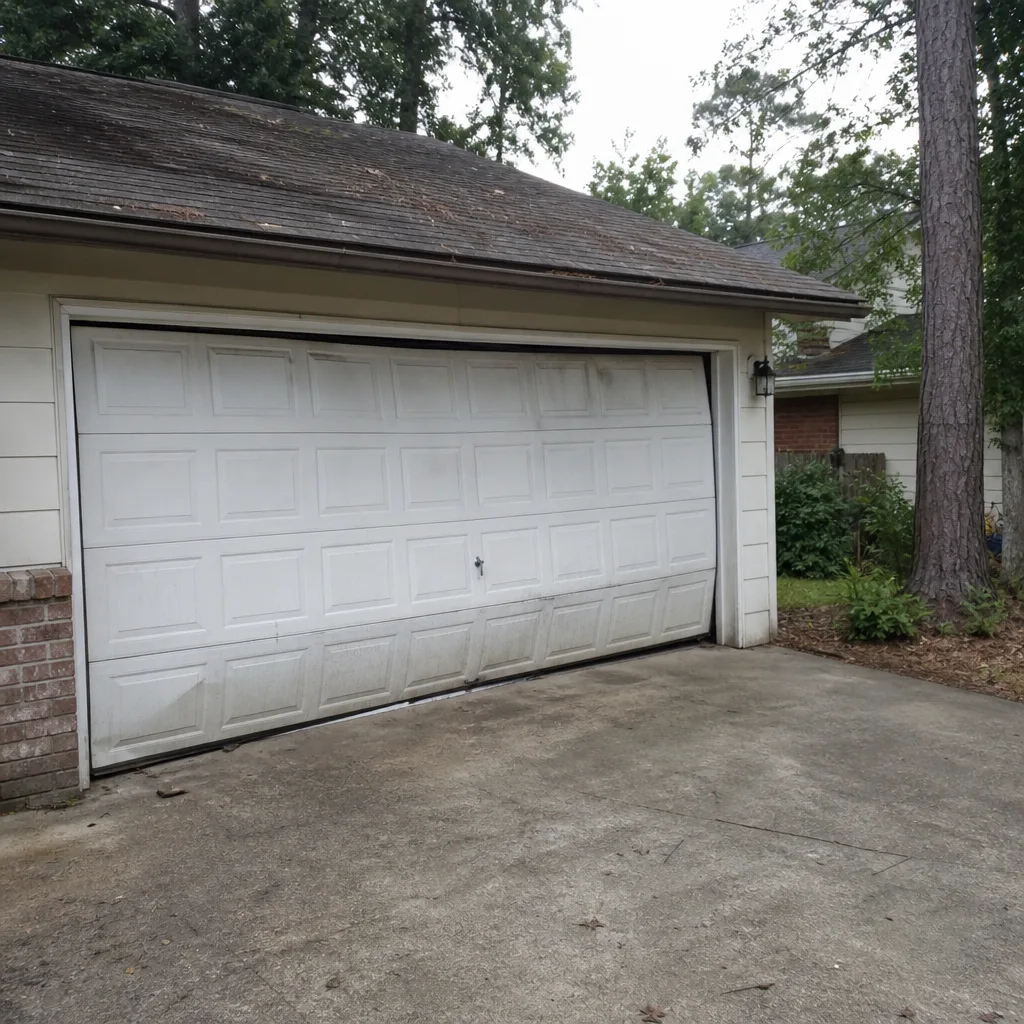 Before
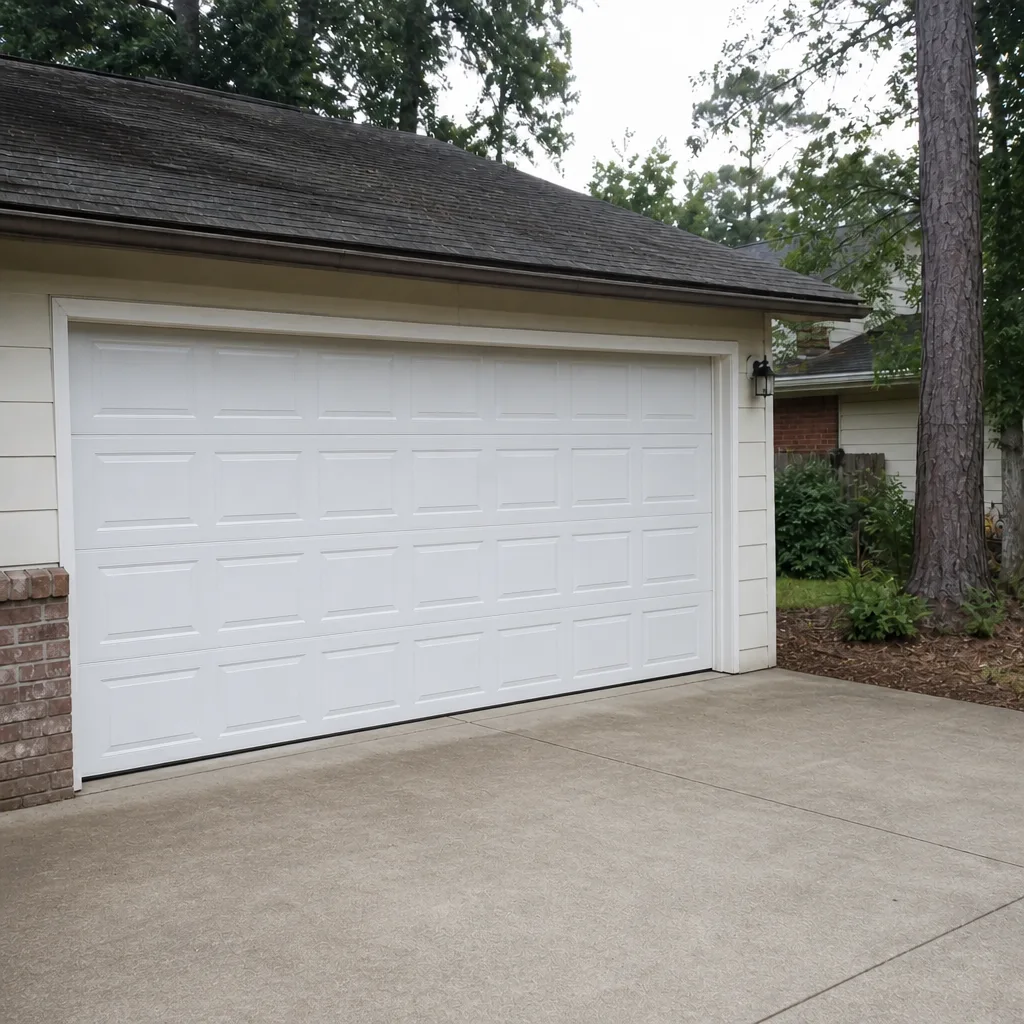 After
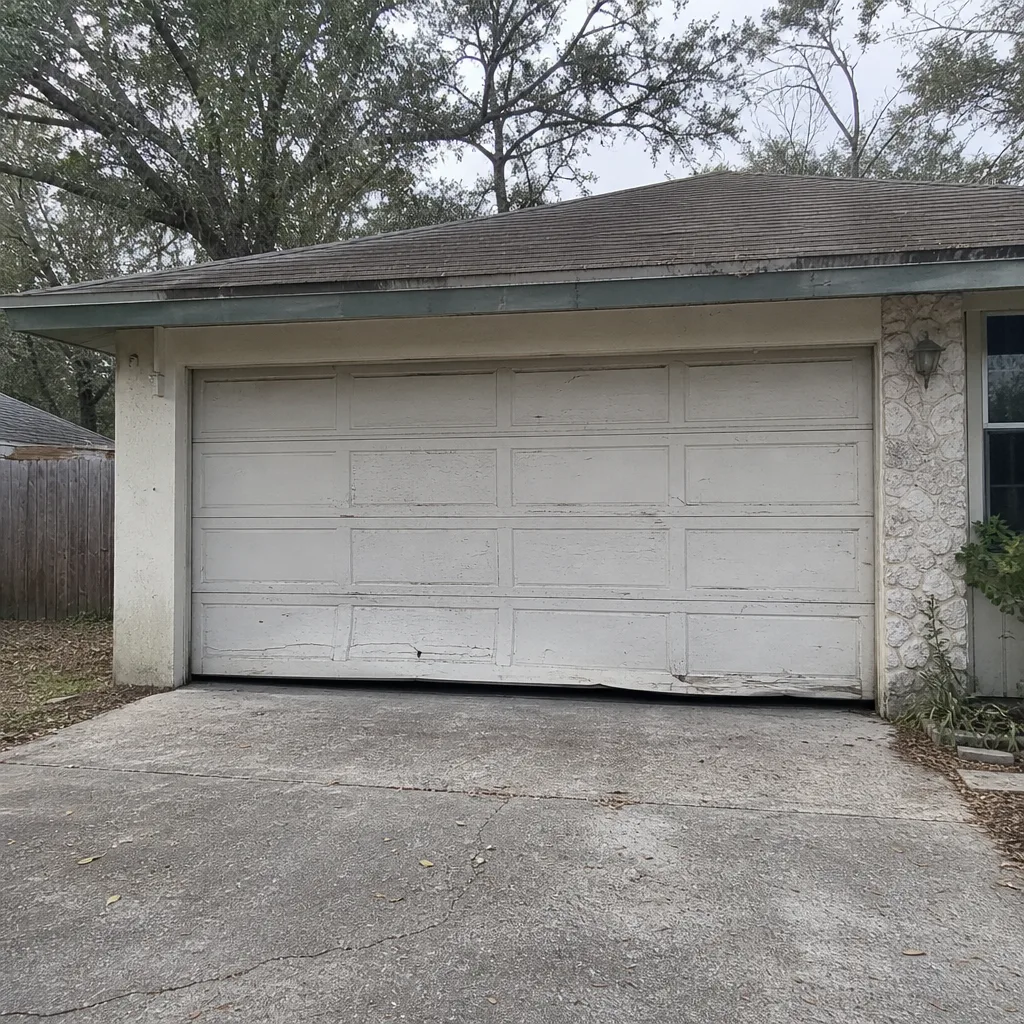 Before
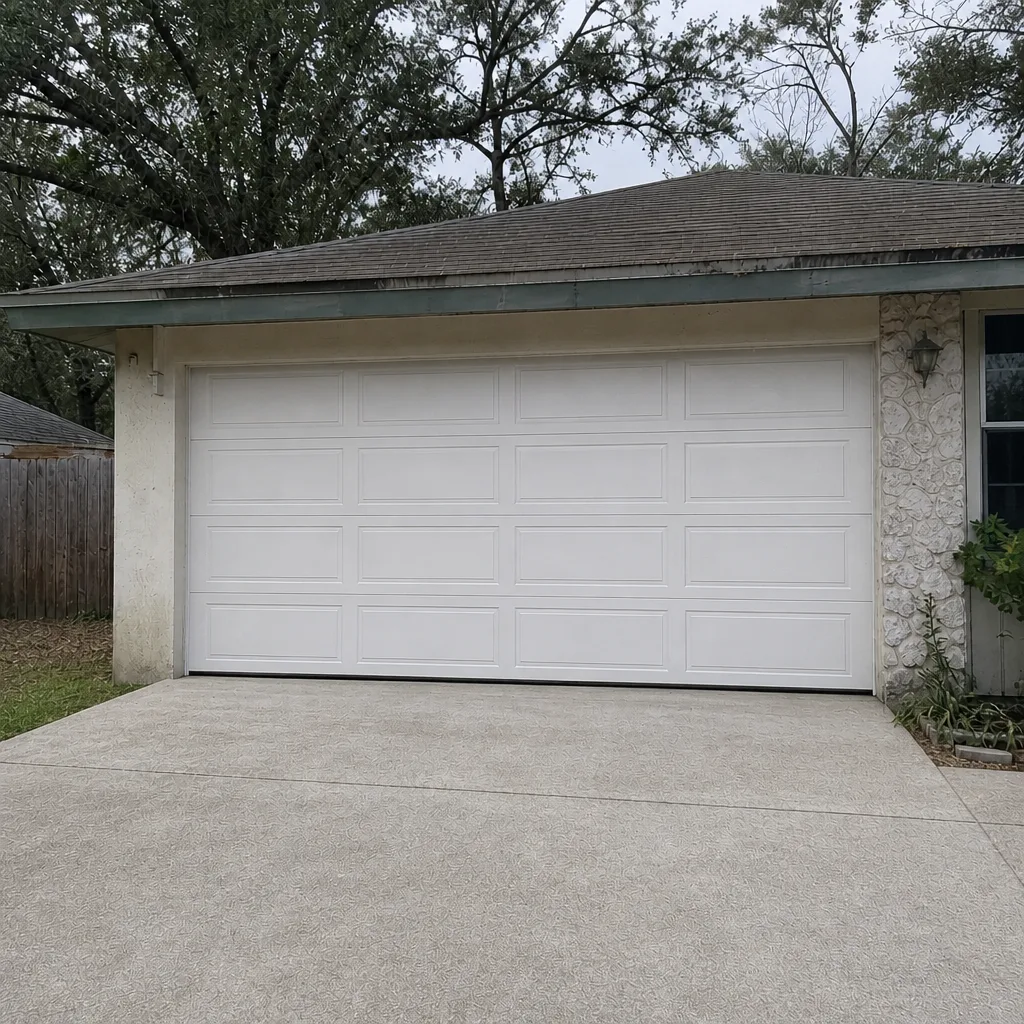 After
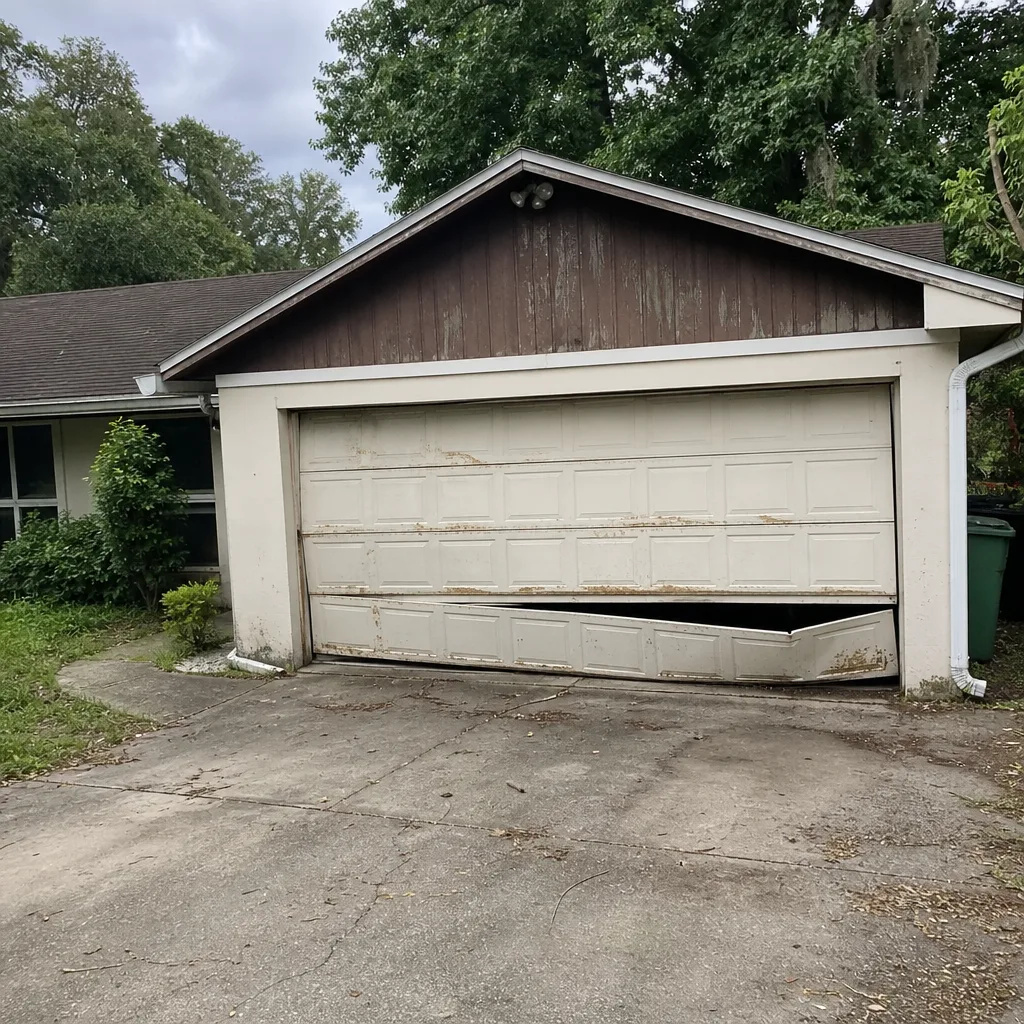 Before
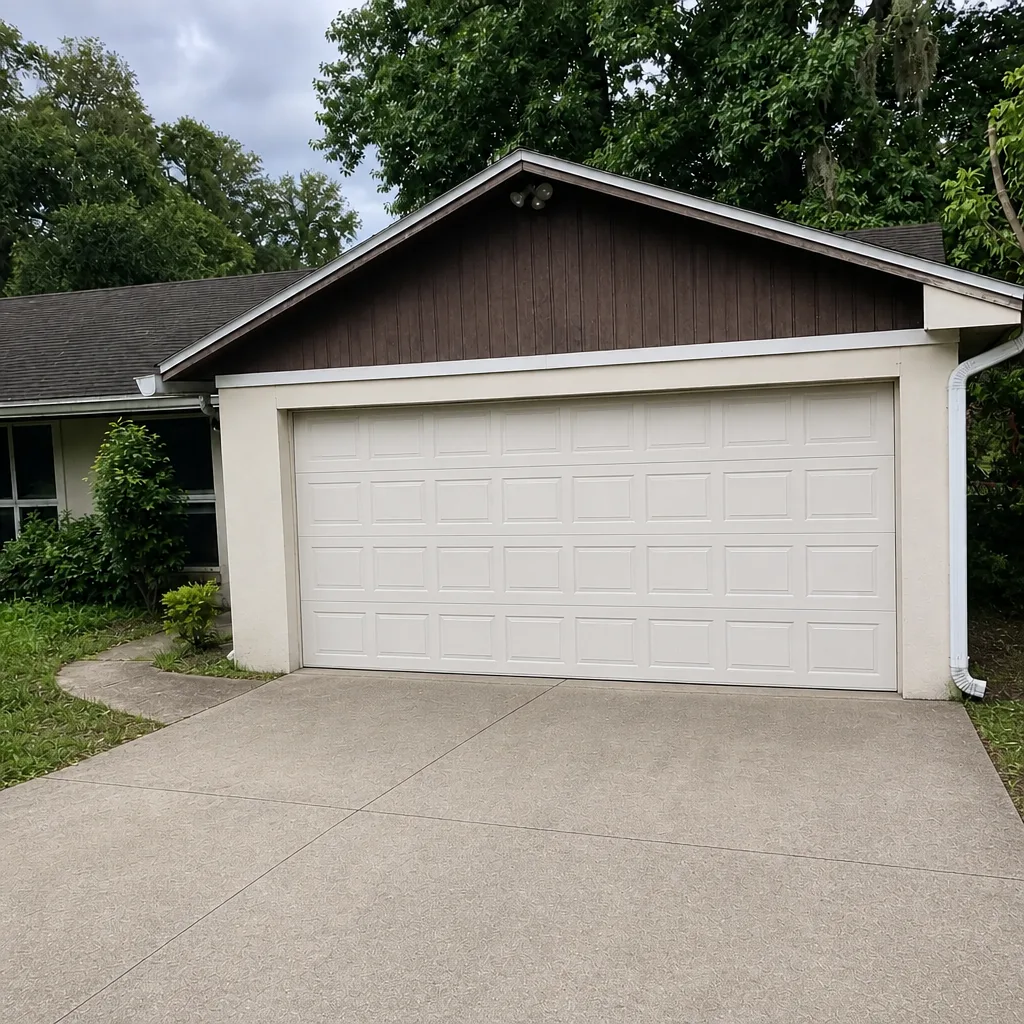 After
When to Call a Professional
Call us when the scope touches the door’s rated assembly, when your insurer is asking for documentation, when a home sale is close and the permit history is murky, or when the current installation is failing and you’re not sure whether it’s a repair or a replacement. We work on whatever brand is already in your garage, we can match parts and openers to an existing Amarr, Wayne Dalton, Craftsman, or Raynor install, and we hold the permit when a replacement is needed. Holloway Garage Door Repair offers free estimates in Gainesville. Call (866) 389-5046 to schedule a measure and a written price, or to have us look at a door before closing. We answer 24/7. Fast dispatch from 7am to 7pm, Sunday through Friday. The estimate is free, the price is set per job by the written estimate, and we agree it before any work starts.
Frequently Asked Questions
Yes. Full garage door replacement in Gainesville and Alachua County requires a building permit, even when the new door is the same size as the old one, because the installer has to document that the door meets the county’s wind-load requirement for Wind Zone II. Routine repair, opener replacement, and cosmetic work do not require a permit. Call (866) 389-5046 for a free estimate and we’ll confirm which category your job falls into.
No. The permit requirement attaches to the door’s wind-resistance assembly, not to the opener. Replacing an opener, a remote, or a wall control is service work, not permitted work. If you want the opener walked through before you order, we can do that as part of a free estimate; call (866) 389-5046.
The inspection verifies that the installed door matches the permitted scope, that its wind-load label carries the correct rating for the site, and that the anchoring, tracks, and brackets are installed per the manufacturer’s instructions. It doesn’t test balance, safety reverse, or photo-eye function; those are installer and homeowner responsibilities and worth checking independently.
In some cases a homeowner can pull an owner-builder permit for work on their own primary residence, but for a professionally installed door the permit should be pulled by the licensed contractor doing the work. If a contractor asks you to handle the permit, that shifts inspection and claim liability onto you, and it’s a sign the contractor may not be properly licensed for the scope. Ask your city’s building department to confirm what applies to your job.
It can. If an unpermitted door fails during a named storm and the failure leads to interior damage, your carrier has grounds to question the structural portion of the claim because the work wasn’t inspected. That’s a claim decision the carrier makes, not us, but it’s the reason we hold the permit on every replacement. If you’re not sure about your current door, call (866) 389-5046 and we’ll pull the label and talk it through with you.
Search the City of Gainesville’s permit portal if the home is inside city limits, or Alachua County’s records if it’s in the unincorporated county, using the property address. Look for a permit record tied to the door or the opening and check whether it shows a passed final inspection. A new-looking door with no permit and no inspection record is the flag to raise with the seller before closing.
The Bottom Line
A garage door in Gainesville is treated as a wind-resistance element, not a decoration, and the permitting rules follow that logic. Replacement needs a permit; repair usually doesn’t; the door must be rated for Wind Zone II with the Florida Product Approval to show it; the contractor pulls the permit and owns the inspection; and the permit history is worth checking before you buy a house. Get those four points right and the paperwork side stops being a worry. Get them wrong and an unpermitted door can become an insurance and resale problem long after the installer has left. If you’d rather not sort it out alone, call (866) 389-5046. We answer 24/7. Fast dispatch from 7am to 7pm, Sunday through Friday. Free estimates, written prices, and nothing starts until you agree to it.
Written by the team at Holloway Garage Door Repair, serving Gainesville since 2017.